Korea holding down fuel prices, but it's getting harder
During much of the U.S.-Iran war, Korea shielded its economy from the sharpest swings in global oil prices by capping domestic fuel prices and restricting exports of petroleum products. But as crude prices climb again, that buffer is becoming increasingly costly to maintain, analysts said Wednesday. The government imposed a cap on prices for petroleum products, including gasoline and diesel, in…
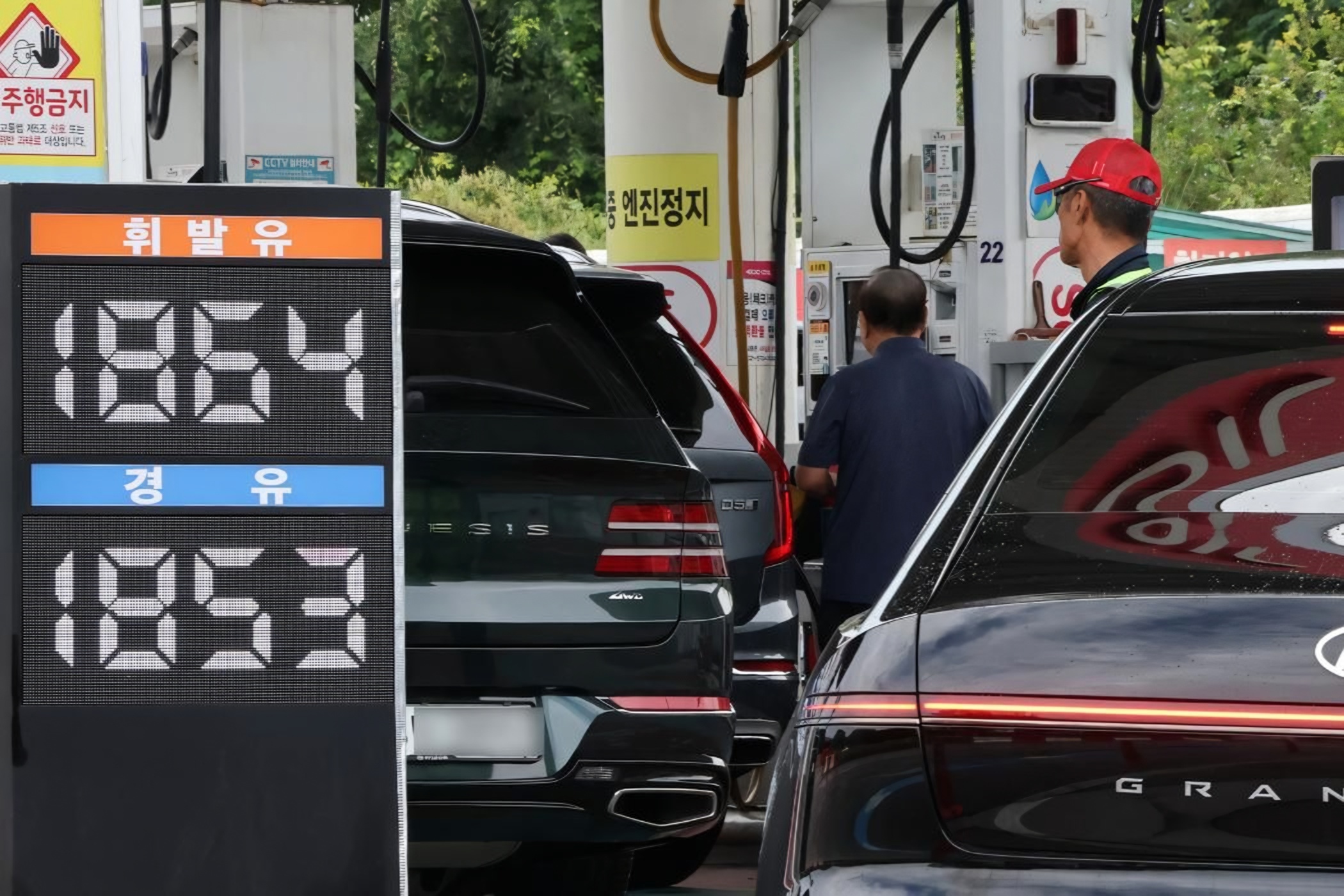
During the U.S.-Iran war, South Korea kept its economy insulated from global oil price volatility by capping domestic fuel prices and limiting petroleum product exports. However, as crude prices climb once more, sustaining this protective buffer is becoming more expensive for the government, according to analysts. In March, Seoul imposed a cap on petroleum product prices, including gasoline and diesel, ensuring refineries sell below a state-set ceiling, with the government compensating for any losses.
This policy helped temper household cost pressures; inflation fell to within the 2 percent range in June and July, and the cap is believed to have trimmed consumer price inflation by 0.5 percentage points in August, when the overall rate was 3.1 percent. The measure has now been in place for six months, but maintaining it is becoming increasingly challenging.
Recent flare-ups in the Middle East have driven international oil prices to their highest since May 19, prompting the government to grapple with the rising difficulty of dismantling the policy.
Written by urgent.news from The Korea Times's reporting — not their text. Machine-written — may contain errors; check the original before relying on it.
This story
This is one outlet's version. Read the fullest account.