Kanzler-Krise: CDU-Ministerpräsidenten stärken Merz den Rücken
Die Ministerpräsidenten der CDU haben sich in der Debatte um die politische Zukunft von Kanzler Merz bisher zurückgehalten. Jetzt setzen sie ein klares Zeichen der Solidarität mit ihm.
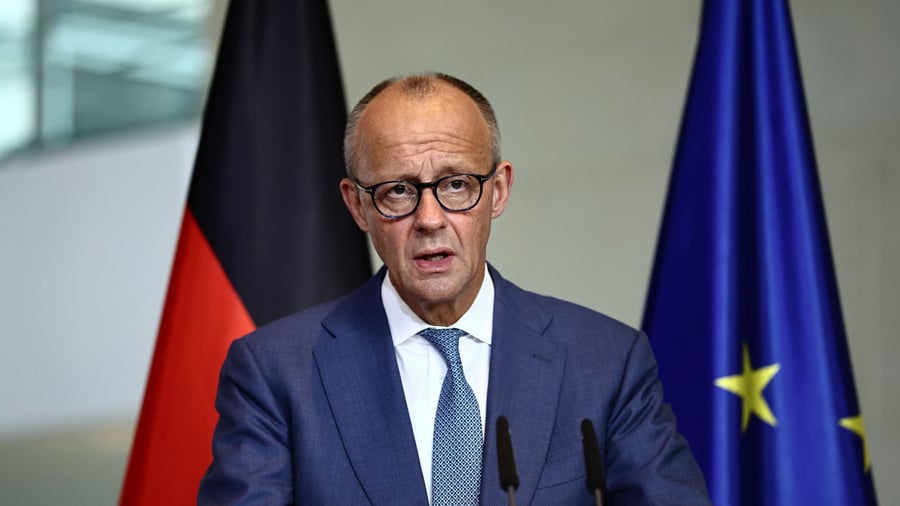
A total of eight CDU state premiers have backed Chancellor Friedrich Merz in the debate over his political future, according to a joint statement published four days before two crucial CDU state elections. The statement emphasized that "the people can rely on us to tackle their problems. As state premiers, we will jointly contribute to this endeavor with the Federal Chancellor."
The path to regaining trust in the Christian Democrats lies in listening and political action, not personnel disputes. The CDU's electoral disaster in Saxony-Anhalt had put Merz under immense pressure from within his party. Speculation has been rampant about his ability to remain Chancellor. Powerful regional leaders had previously refrained from engaging in the discussion.
By rejecting personal debates, they are now clearly standing behind Merz. Upcoming state elections on Sunday could inject new dynamism into the debate. In Mecklenburg-Western Pomerania, the CDU risks falling below the five percent threshold. In Berlin, the party could lose its first-place position to the Left and potentially lose the post of governing mayor.
A new situation could emerge by Sunday evening, with Merz calling for a special session of the party's presidium at his Berlin headquarters. Meetings of the CDU's top-level committees are also scheduled for Monday, where it will be decided whether and how Merz as Chancellor and CDU leader proceeds. The initiative to strengthen stability in German democracy comes from Rhineland-Palatinate Premier Gordon Schnieder, who had previously sided with Merz during the personnel crisis in the summer over his brother's dismissal from the cabinet.
The declaration is also supported by North Rhine-Westphalia's Minister-President Hendrik Wüst, who is also considered a potential Merz successor. The three core convictions of the ministers are a clear rejection of minority governments and a strong, capable federal government with its own majority in the Bundestag. The CDU Germany has vowed to reject such a model since its founding.
With the upcoming elections in other European countries next year, it will be even more important for Germany to have a stable and strong democracy within the united Europe. The CDU Germany is ready to cooperate with all democratic forces. This reaffirms the party's decision from 2018 to exclude collaboration with the Left and AfD.
Germany needs reliability and decisive action. Trust will be restored when politics addresses the problems and questions of people in their everyday lives. This conviction is a firm belief of the CDU state premiers and the shared responsibility of all Christian Democrats for their country. Merz intends to push reforms through in the coalition.
He had announced a fundamental debate on a new "narrative" for the party after the elections and made it clear during recent days that he intends to fight for and implement the reform package decided by the red-green coalition against resistance from the SPD. At an economic conference in Berlin, he spoke of a "trial of strength for the coalition" and hoped for the coalition's commitment to reforms. "I hope for insight, I hope for a good discussion ... and then for corresponding actions."
Written by urgent.news from Handelsblatt's reporting — not their text. Machine-written — may contain errors; check the original before relying on it.
Also reported by 1 other outlet
- Kritik am Kanzler: CDU-Ministerpräsidenten stellen sich hinter Merz handelsblatt.com