Jürgen Klopp: Sieben Leadership-Lehren, die sich Chefs von ihm abschauen können
Klopp wird neuer Bundestrainer. Der DFB gewinnt einen Motivator. Sein Führungsstil ist so gut, dass auch andere Chefs sich davon etwas abschauen können, sagt ein Forscher – und erklärt, wie.
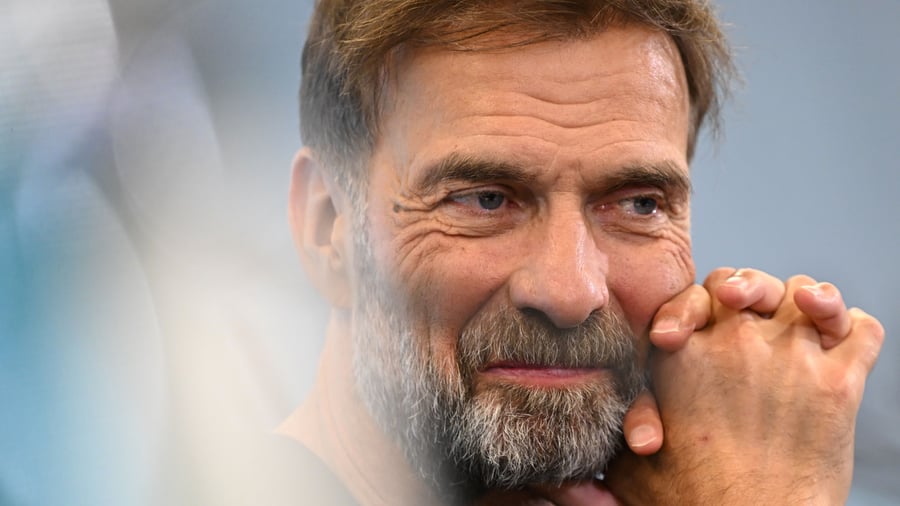
Jürgen Klopp, the new Bundestrainer, is set to lead the German national team back to the top following a recent World Cup crisis. One of the key aspects of his leadership style that managers in the business world can learn from, according to Roman Briker, a Leadership expert from WHU – Otto Beisheim School of Management, is Klopp's charisma and joy in winning.
Klopp's teams often push themselves to the last second, even in seemingly hopeless situations, demonstrating confidence and a belief that something positive can still happen. This same principle was evident during his last Dortmund season in 2014/2015, when the team was on a historically weak 17th place. Despite this, Klopp remained as manager and managed to secure a spot in the European Cup by the end of the season.
Klopp's charisma, according to Briker, lies in his confidence in his own team, the sense of community he fosters, and the way he communicates his vision of a positive future. He uses metaphors to convey this confidence, which can motivate employees and boost their belief in their own abilities. Another important aspect of Klopp's leadership is his ability to identify and nurture untapped talent.
When he started at Dortmund in 2008, he had no money for star players. Instead, he built his team from players who had been overlooked by others. For example, Neven Subotic was an unknown defensive player who Klopp believed in, and Mats Hummels, who had been passed over by Bayern Munich, became the defensive leader of Dortmund's winning team.
Klopp's approach of recognizing and nurturing individual strengths in his players enabled him to lead Dortmund to the 2011 championship. For business leaders, this means identifying and developing the potential in underappreciated employees, which can create a loyal, high-performance core group that holds together even in difficult times.
Klopp also emphasized the importance of honesty in building trust, as demonstrated when he took over Liverpool in 2015. The club had a long history of tradition and frustration, having gone 25 years without a championship title. Klopp was upfront about the situation, stating that he wanted to turn "doubters into believers" and promised to transform the team's doubters into believers.
While he initially experienced anxiety about the process, Klopp maintained transparency and honesty with his players, explaining their roles without sugarcoating the reality of the situation. This approach resulted in eight titles for Klopp with Liverpool, including the Champions League in 2019 and the English Premier League title in 2020.
For leaders in turnaround situations, Briker emphasizes that trust in a leader is built on three elements: competence, integrity, and benevolence, which means genuinely caring about the team and wanting what's best for them.
Written by urgent.news from Handelsblatt's reporting — not their text. Machine-written — may contain errors; check the original before relying on it.
Also reported by 1 other outlet
- Klopp plans to deploy captain Kimmich in Germany midfield sports.yahoo.com