Jeff Gundlach says the Fed should have hiked rates by more to fight rising inflation
The Fed should have hiked rates by half percentage point rather than a quarter, the investor told CNBC.
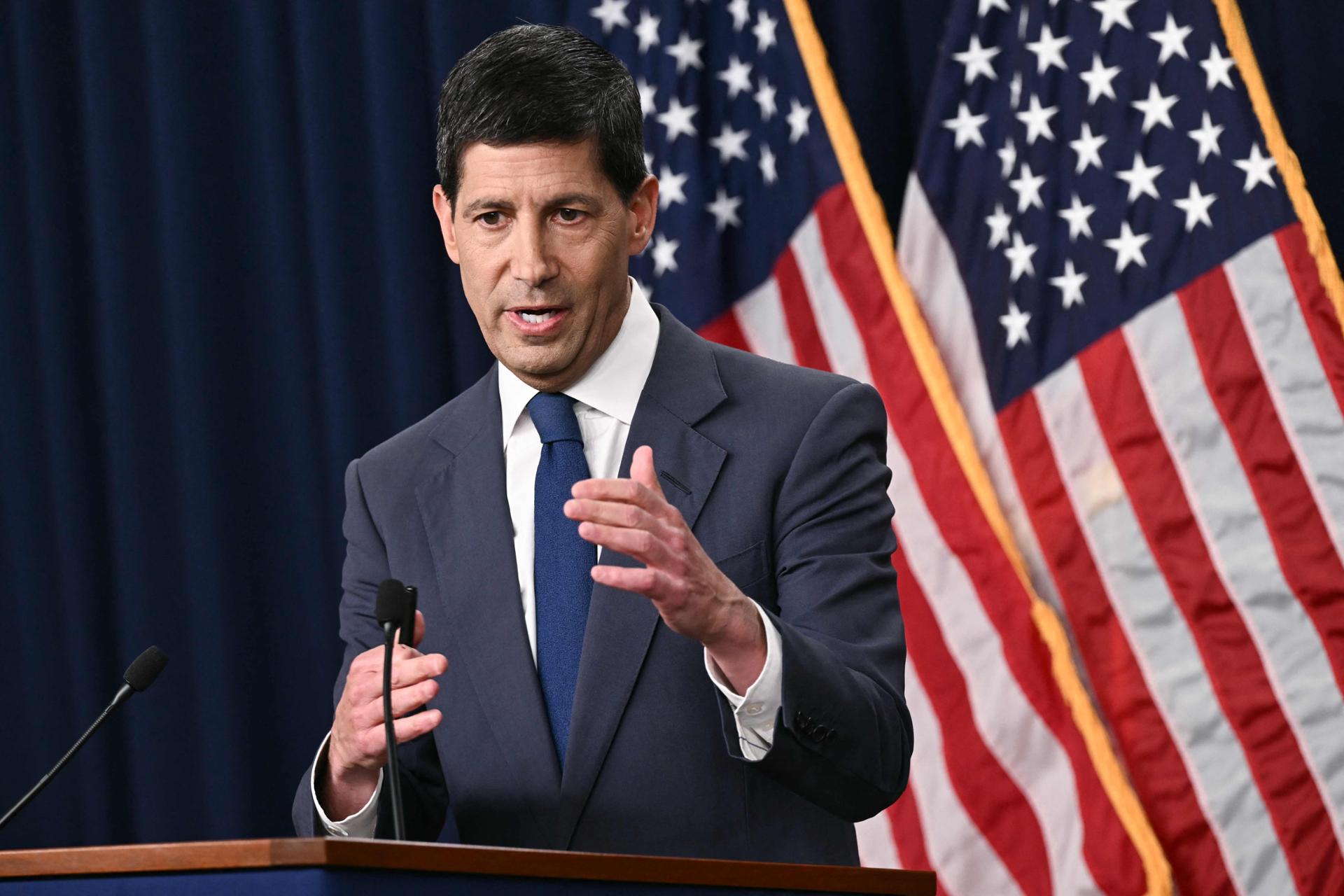
The Federal Reserve increased interest rates on Wednesday and indicated additional hikes are forthcoming, as the new US central bank chief, Kevin Warsh, joined a unanimous decision reflecting the Trump administration's failure to curb inflation. Despite President Donald Trump's promise to lower prices during his tenure, the cumulative impact of his global import tariffs, an energy shock following the US-Israeli conflict with Iran, and capital spending from the AI boom has kept inflationary pressures high, compelling the Fed to raise its benchmark overnight interest rate by 0.25% to the 3.75%-4.00% range.
According to new policy projections, 16 of 18 policymakers anticipate at least one more quarter-point increase by year-end, with only two predicting stable rates. Warsh did not submit a rate projection for this meeting. This marks the first policy shift under the new Fed chief, who took office in late May, following expectations that he would lower rates.
Contrary to previous statements, the Fed now projects a tighter monetary policy through 2027, with the policy rate expected to rise to the 4.00%-4.25% range by the end of the year and staying at that level thereafter. The Fed's decision aims to facilitate a timely return to its 2% inflation goal, according to the central bank's policy statement issued after the conclusion of a two-day meeting.
While the statement did not provide forward guidance on future policy decisions, as is Warsh's preference, the move is likely to alleviate concerns that the Fed chief would delay tighter policy out of deference to Trump, a question that persisted during his early months in office. The rate hike comes less than two months before the midterm elections, which will determine whether Trump's Republicans retain control of Congress for the final two years of his presidency.
Voters are concerned about gasoline prices, which are about a third higher than a year ago, and rising mortgage interest rates. The average rate on a 30-year fixed-rate mortgage is approaching 7%. The Fed's updated quarterly economic projections raised estimates of inflation, measured by the Personal Consumption Expenditures Price Index, to 3.7% from the previously projected 3.6%.
Inflation is now projected to persist until 2029, a year later than previously anticipated. Economic growth was revised slightly upward from 2.2% to 2.3%, while the unemployment rate is expected to end the year at 4.1%, down from the 4.3% forecast in June. Warsh's explanation of the rationale behind the rate increase and the prospects for further action will be crucial in determining the market's reaction to the Fed's decision.
The Wednesday rate hike was widely anticipated, but investors will be keen to learn from the Fed chief what might trigger additional increases in borrowing costs. Warsh has pledged to lower inflation back to 2% "clearly and at sufficient speed" by raising rates as necessary.
Written by urgent.news from Gulf Times Business's reporting — not their text. Machine-written — may contain errors; check the original before relying on it.
This story
This is one outlet's version. Read the fullest account.
- US Fed hikes interests rates to curb inflation in move likely to rile Trump abc.net.au
- Fed hikes rates, sees more tightening in search of 'timelier' drop in inflation brecorder.com
- Wall Street ends lower after Fed hikes interest rates, sees more tightening ahead straitstimes.com
- Fed hikes rates, sees more tightening in search of 'timelier' drop in inflation gulf-times.com
- Wall Street gyrates after Fed hikes interest rate to battle inflation koreatimes.co.kr
- Fed, battling persistent inflation, ups rates 1st time in 3 years asiatimes.com
- U.S. interest rates hiked after Trump urged lower borrowing costs torontosun.com
- Fed raises rates, signals another hike as inflation persists moneyweb.co.za