Japan has a problematic age gap: 100,000-plus residents are over 100 and the pension system is buckling
When paired with Japan’s record-low fertility rates, the number of centenarians is creating a host of fiscal problems.
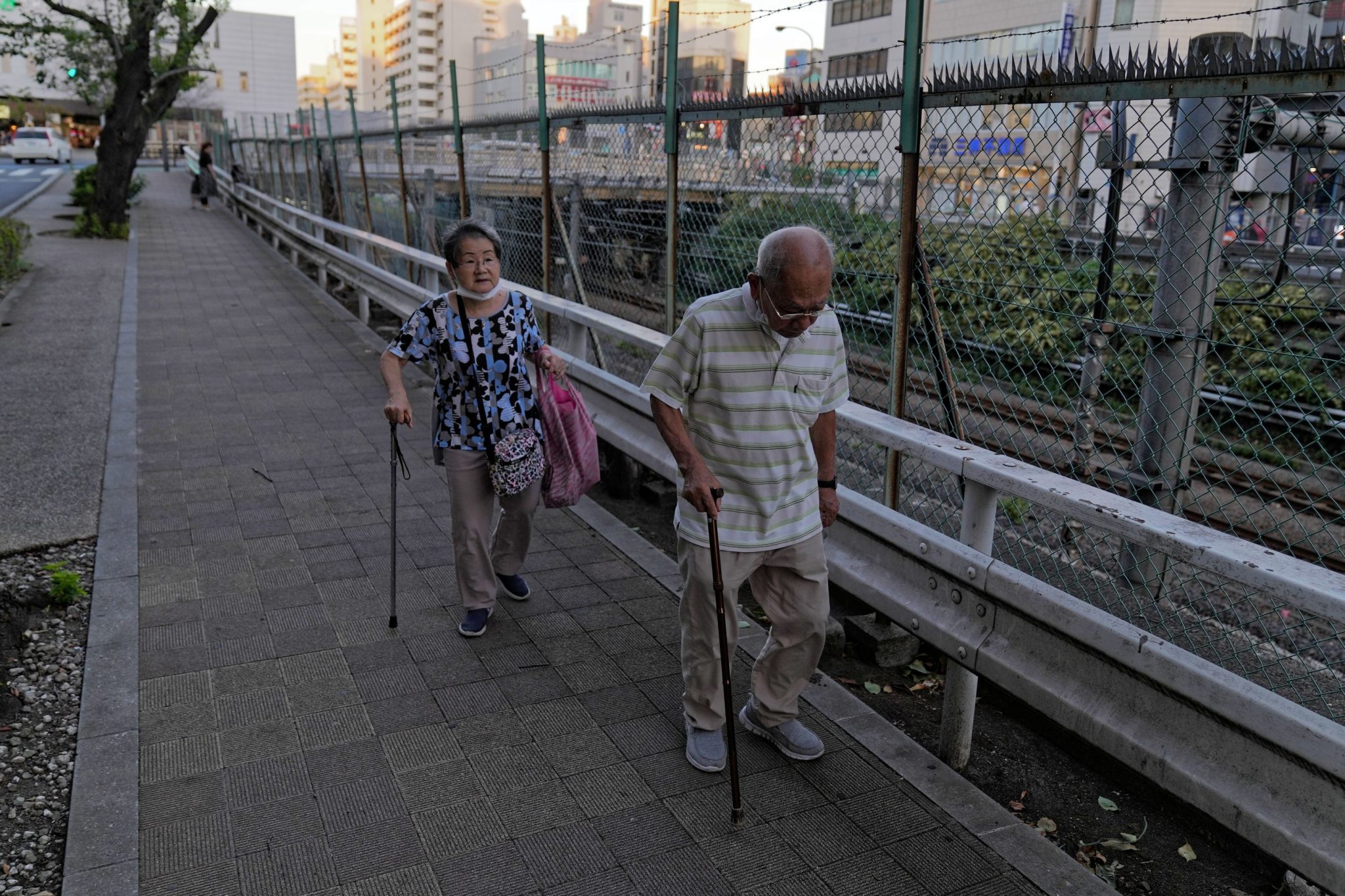
Japan has recently reached a milestone by having more than 100,000 residents over the age of 100, marking a significant concern for the nation's resources and pension system. With nearly 90% of these centenarians being women, the imbalance in the male/female ratio in senior home mixers has become increasingly problematic. To illustrate the scale of this issue, the population of 107,677 centenarians is enough to nearly fill AT&T Stadium in Dallas.
This growing elderly demographic, coupled with Japan's record-low fertility rates, presents a host of fiscal challenges. Currently, around one-third of Japan's ~120 million residents rely on public pensions. The health ministry has requested $218 billion for pensions and medical care in the upcoming fiscal budget, accounting for roughly a quarter of all requests.
In an effort to address the growing demand for the aging population, the government estimates that 2.4 million elder care workers will be needed by 2026, a significant increase from the 2.1 million projected in 2024. To supplement the dwindling workforce, Japan is actively recruiting care workers from abroad. After reaching 66,000 under a skilled-worker visa program last year, the government has now decided to allow nearly three times that number under a new foreign-aid worker plan, despite its typically strict immigration policies.
Written by urgent.news from Fortune's reporting — not their text. Machine-written — may contain errors; check the original before relying on it.