Investors prepare for ‘super-central-bank week’ as US rate increase appears done deal
With a US interest rate increase almost a done deal, investors are now trying to figure out whether it would be a one-off move or the start of a fresh tightening cycle, while also bracing for a borrowing-cost increase in Japan, which is highly likely and may jolt capital flows. As the odds of a 25 basis-point rate increase at the US Federal Reserve’s policy meeting on Thursday have risen to 92…
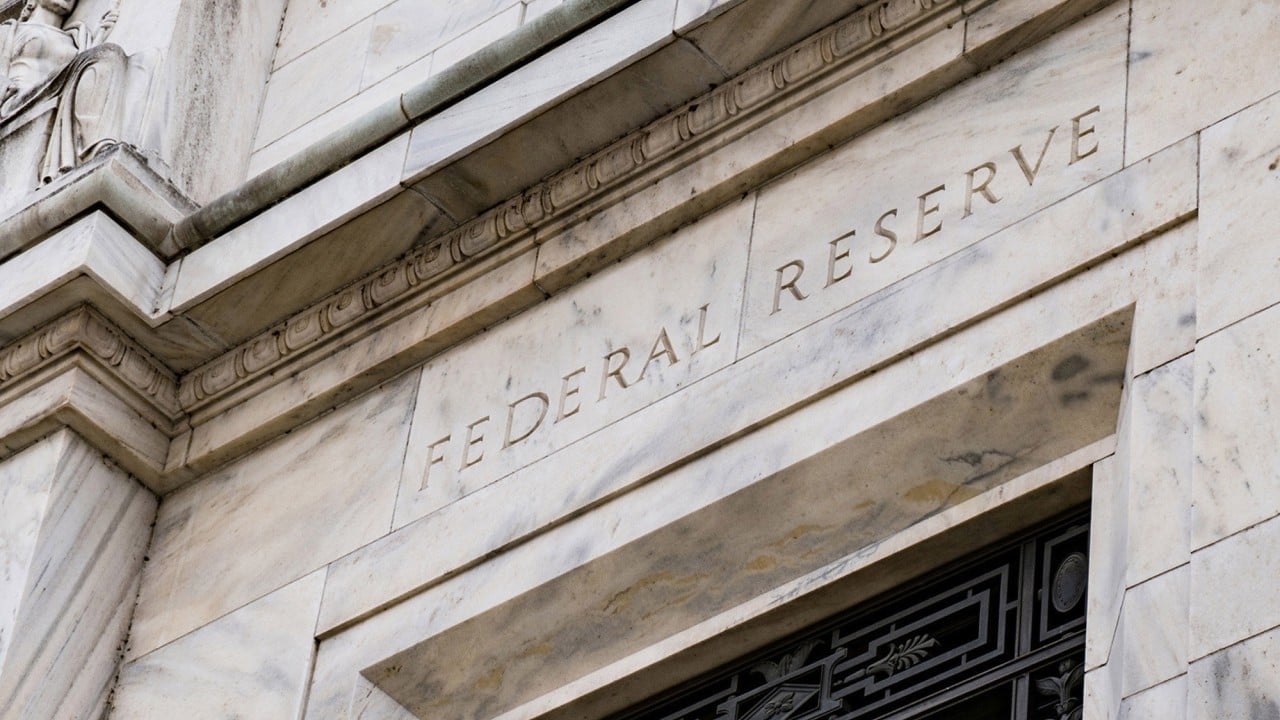
As investors brace for a "super-central-bank week" driven by a 25 basis-point US interest rate increase, they are uncertain whether it marks the start of a new tightening cycle. The odds of the Federal Reserve raising rates by 25 basis points at their policy meeting on Thursday have soared to 92 percent. Wall Street traders are now focusing on whether other global central banks will follow suit, with a one-off increase potentially seen as dovish or even positive for equities.
Chair Kevin Warsh's pledge to rein in inflation could restore the Fed's credibility, despite potential challenges for stocks with stretched valuations and a persisting oil crisis. Stephen Innes, a managing partner at SPI Asset Management, said a one-and-done outcome would demonstrate the Fed's independence and independence despite political pressure.
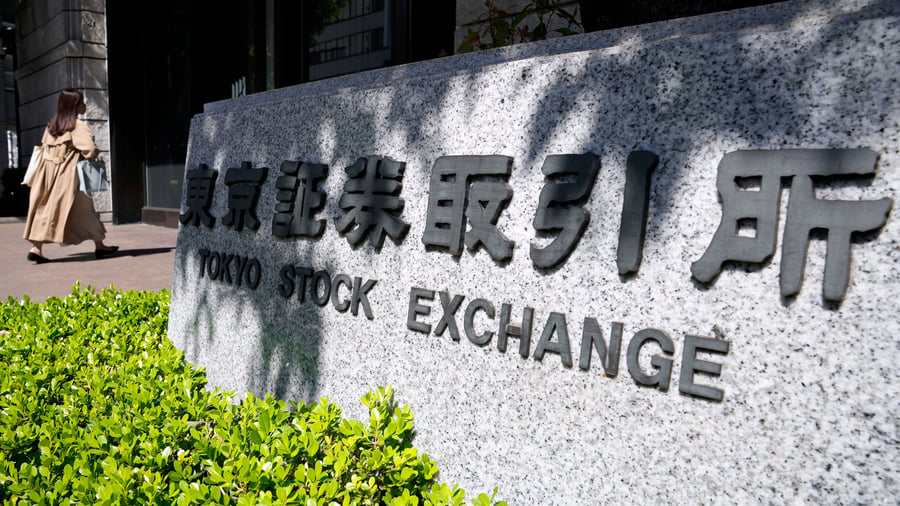
Meanwhile, Hong Kong and mainland China stocks have remained largely unchanged as investors wait for the wave of rate decisions in the US, UK, and Japan. The market's optimism over the US economy has seen US benchmarks drop slightly for the week, trading near record highs. The Fed's September decision has drawn significant investor attention, amid soaring US Treasury yields, oil prices surpassing $100 a barrel, and pressure from the White House to lower borrowing costs.
While some institutions, like Macro Risk Advisors, predicted a 10 percent decline in the S&P 500 following the Fed rate hike, Citigroup remains confident in the bull trend due to the resilience of the US economy. Historical data indicates that global stocks initially falter at the start of a Fed rate-increase cycle before recovering in the following six to 12 months, with the US market outperforming and value stocks beating growth names.
Strategist David Groman from Citigroup noted that while the first Fed rate increase does introduce near-term volatility, it is not the first to end equity bull markets.
Written by urgent.news from SCMP Business's reporting — not their text. Machine-written — may contain errors; check the original before relying on it.