Inflation inches higher ahead of interest rates decision
Inflation inched higher in the year to August, official data has shown, adding to pressures faced by the Bank of England ahead of its interest rate decision on Thursday. The Office for National Statistics (ONS) said consumer price index (CPI) inflation in the 12 months to August was 3.1 per cent, higher than last month’s [...]
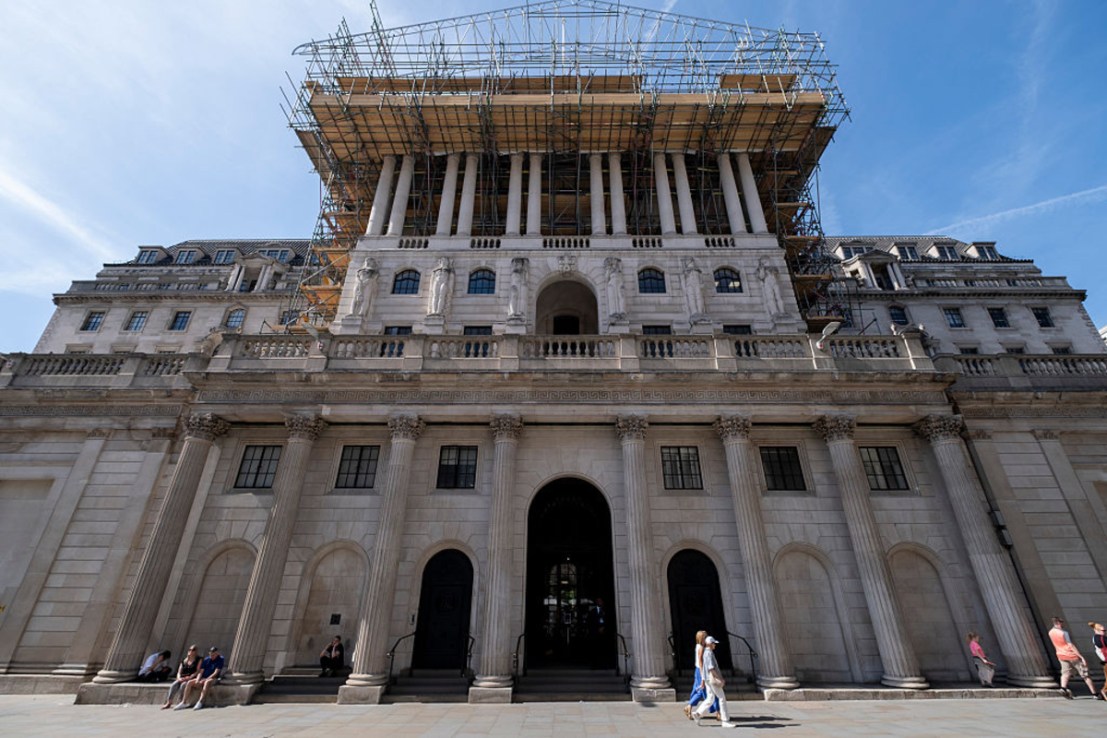
In August, official data revealed that UK inflation increased to 3.1% year-on-year, surpassing the previous month's reading of 2.9%. The Office for National Statistics (ONS) reported that services inflation remained steady at 3.4%, an indicator closely watched by the Bank of England for underlying price pressures. Food inflation stayed low at around 1.3%, while core inflation, which excludes volatile items, rose by 2.6%.
Grant Fitzner, the ONS chief economist, attributed the inflation rise to surging petrol and diesel prices, long-haul airfares, and higher crude oil costs.
The conflict in the Middle East is exacerbating global inflation, according to Chancellor John Healey. The government has taken measures to alleviate the burden on families and businesses, such as reducing electricity bill taxes, capping bus fares, and lowering rates for specific venues. However, Shadow Chancellor Andrew Griffith argued that rising business taxes and employment regulations are ultimately passed onto consumers.
The latest inflation data could alarm Bank of England policymakers, as the inflation rate has been above the two percent target for over two years. Some hawkish officials, like chief economist Huw Pill, are concerned about the bank's mandate to maintain price stability. Economists have urged the Bank to consider factors beyond the temporary energy price shock caused by the Iran war, which might lead to further price increases in the future.
Barclays chief UK economist Jack Meaning anticipates that inflation will peak higher than expected, while Capital Economics' Ruth Gregory warns of an "adverse" scenario. With the Iran war continuing to disrupt global trade and oil prices remaining high, inflation could reach 4.5% by year-end. However, economists suggest that monetary policy remains restrictive, as there is limited evidence of second-round effects from wage growth, which could further push prices up.
The pressure on the Bank of England and the government is immense, with the upcoming meeting to consider a potential rate hike.
Written by urgent.news from City AM's reporting — not their text. Machine-written — may contain errors; check the original before relying on it.