Indonesian students to conduct UN-backed microgravity experiment in Germany
Three Indonesian students are set to test how partially wet sand behaves in microgravity, research that could one day help robots dig, handle samples and move materials on the Moon or Mars.
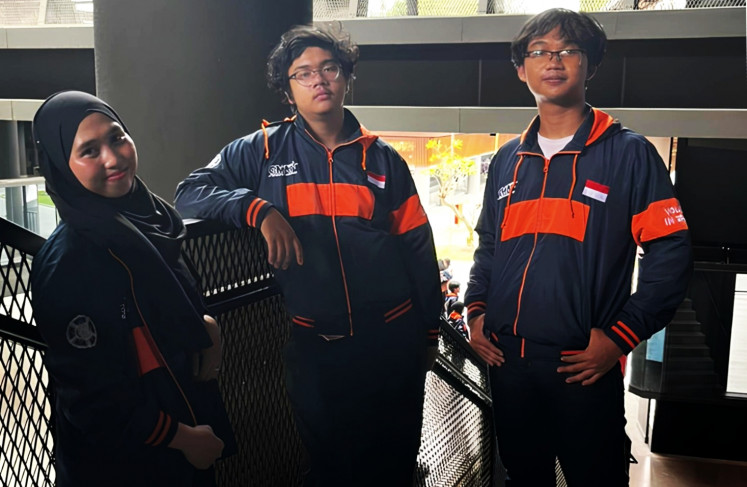
Three Indonesian university students are embarking on a microgravity experiment in Germany, funded by the United Nations and conducted as part of the UNOOSA's DropTES program. The research, led by Alessander Reynard Aritonang, Rendy Dwi Nugraha, and Idam Sholikhah, aims to study how partially wet sand behaves in a controlled microgravity environment.
This investigation could potentially aid in the development of technologies for future space missions, such as robotic excavation, sample handling, and material transportation on the Moon or Mars. The opportunity will provide the students with practical experience in microgravity research and space exploration, encouraging them to contribute to the advancement of space science and technology in Indonesia.
Written by urgent.news from The Jakarta Post's reporting — not their text. Machine-written — may contain errors; check the original before relying on it.