I’m responsible for delaying telcos’ entry into financial services – Sanusi
Former Central Bank of Nigeria Governor and Emir of Kano, Muhammadu Sanusi II, has admitted that delaying the entry of telecommunications companies into Nigeria’s financial services sector was a mistake. Sanusi said his decision was influenced by concerns over the safety of depositors’ money following the country’s banking crisis. However, he later realised that telecoms […] I’m responsible for…
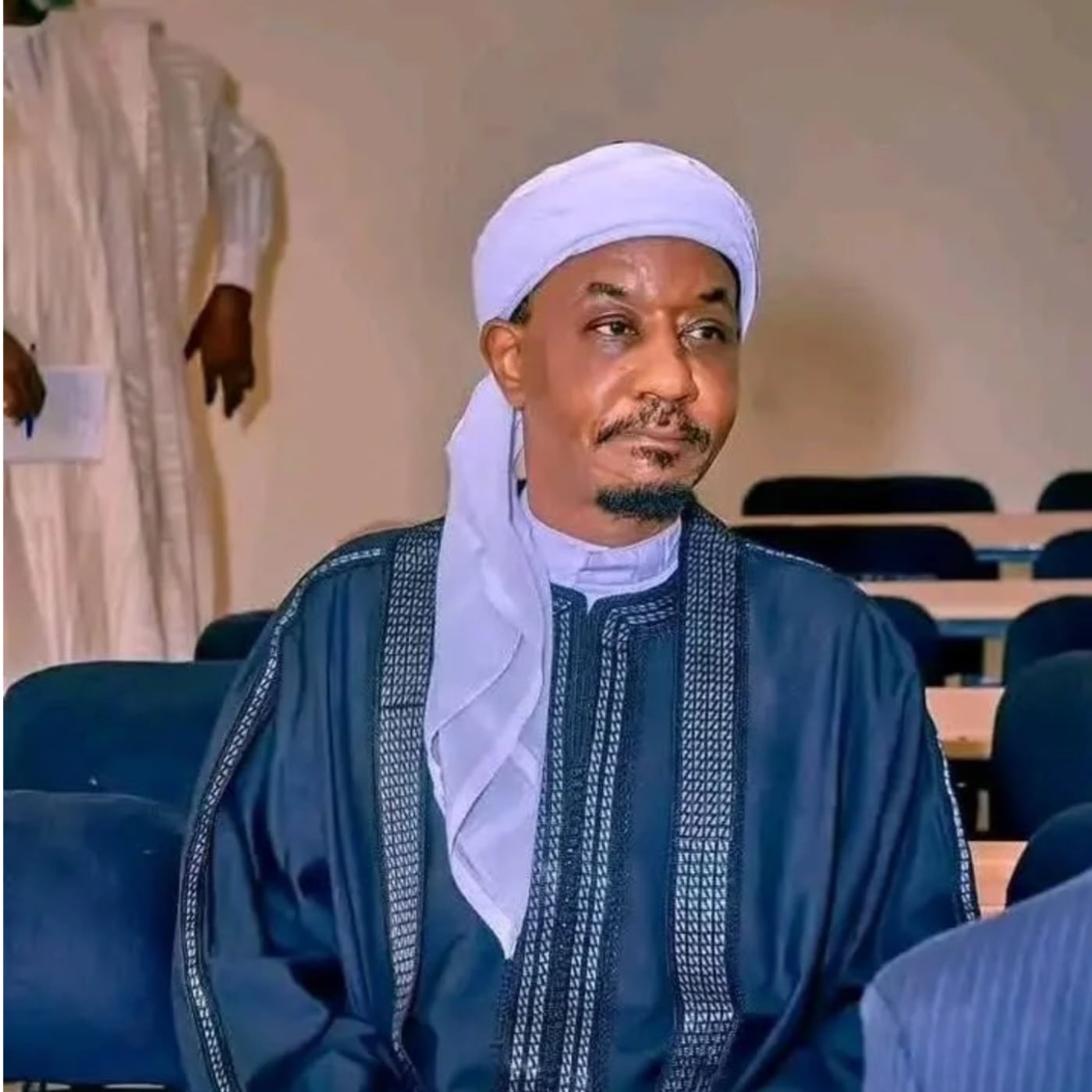
Former Central Bank of Nigeria Governor and Emir of Kano, Muhammadu Sanusi II, has acknowledged that his decision to restrict telecommunications companies from entering Nigeria's financial services sector was an error. This stance came from worries about the security of depositors' money following the nation's banking crisis. However, Sanusi later recognized the potential that telecoms and technology firms could have played in extending financial services to millions of Nigerians who were previously unbanked.
Sanusi made this statement during a fireside chat at the unveiling of the Access to Financial Services in Nigeria 2026 Survey Report in Abuja. He was moderated by the Dean of the Lagos Business School, Prof. Olayinka David-West.
Reflecting on his time as CBN governor from 2009 to 2014, Sanusi admitted, "I'm responsible for delaying the entry of telcos into this space." He explained that the banking crisis had heightened regulatory concerns about allowing entities outside their direct oversight to manage large sums of customers' money. "Part of the challenge, of course, was that we had just come out of a banking crisis where we were worried about depositors' funds.
And I wasn't comfortable allowing companies that I was not a primary regulator of to have access to a huge pool of funds," he explained.
Sanusi admitted that while his goal was to safeguard depositors, his decision was flawed. "So again, this is one case where you have a good intention, but you take a wrong decision," he admitted. He remembered opposing the World Bank and other stakeholders' calls to permit telecommunications companies in financial services earlier. "I fought the World Bank. I fought everybody," Sanusi stated. "I do think if I had allowed that to happen, it would have been much more progress," he added.
Sanusi pointed out that recent expansion in digital financial services had demonstrated that conventional banks alone cannot reach everyone due to their limited geographical footprint. He cautioned, however, that merely having access to bank accounts and digital payments does not automatically lead to wealth creation. "Opening an account, moving money, is not the same as earning money.
It's not the same as talking about poverty," he emphasized. He advocated for financial services to be more closely tied to agriculture, manufacturing, trade, and other productive sectors.
Sanusi also proposed that digital payment systems could assist individuals in saving for pensions, insurance, and other financial necessities. He suggested that small amounts could be saved incrementally from everyday transactions, particularly by people engaged in the informal sector. He urged the CBN to continue its focus on inflation control, describing it as a significant threat to savings and wealth.
Sanusi spoke about Nigeria's unified banking identification system, highlighting that the country now possesses significant financial infrastructure that can facilitate broader access to credit, insurance, and pensions. He also called for clearer allocation of responsibilities among regulators in handling consumer complaints, arguing that overlapping roles could bewilder customers and erode confidence in the financial system.
Written by urgent.news from Daily Post Nigeria's reporting — not their text. Machine-written — may contain errors; check the original before relying on it.
This story
This is one outlet's version. Read the fullest account.