Humpback whale mother with stillborn calf shows ‘grief-like’ behaviour
For the first time, researchers have seen a humpback mother interacting with her stillborn calf, reporting that she stayed close to it for at least two days
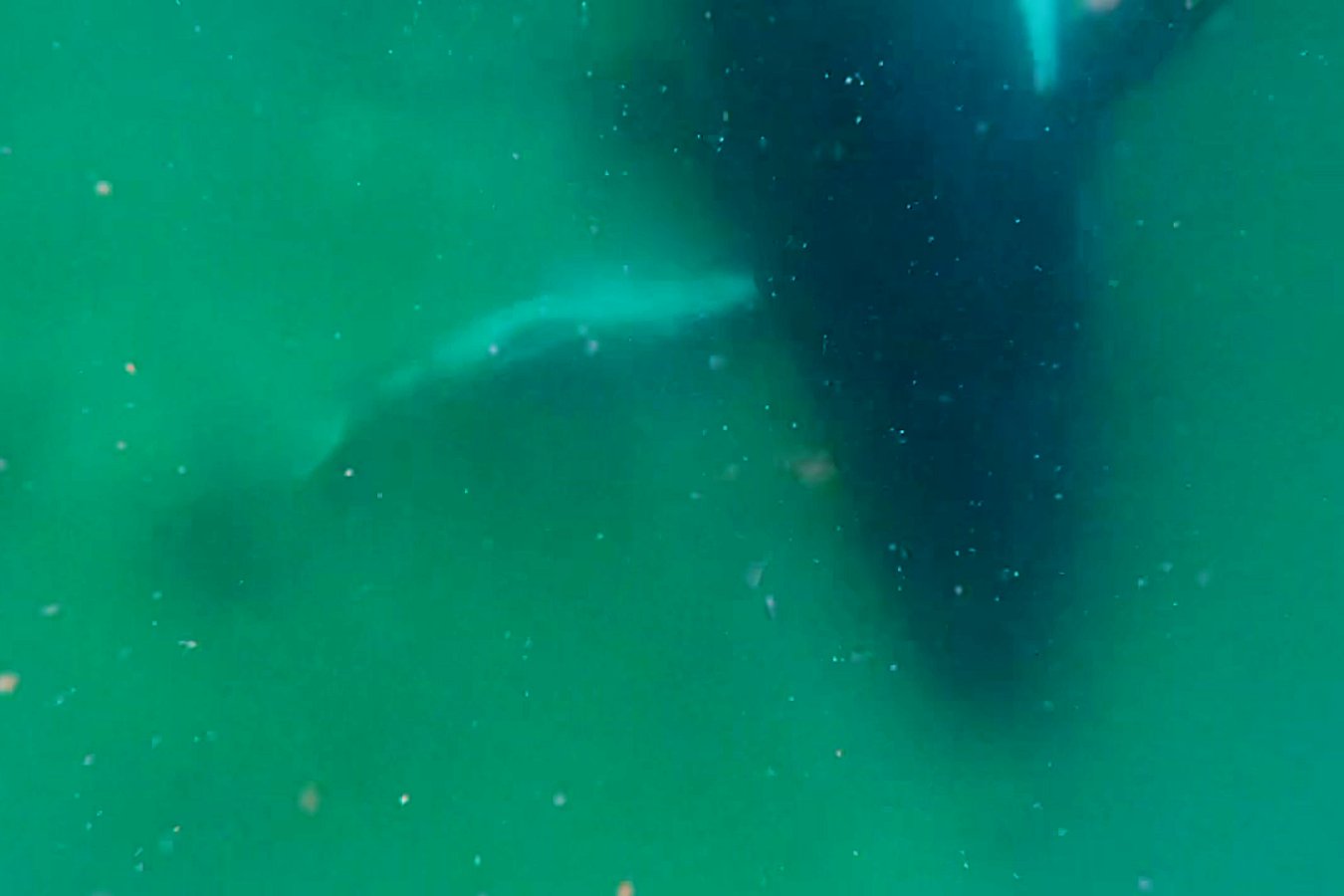
On July 17, 2025, a humpback whale was observed giving birth to a stillborn calf near the Gold Coast in Queensland, Australia. Andrew Mulville, from the Sea World Foundation, documented the event from a boat a kilometre offshore. The mother approached the stillborn calf repeatedly, making eye contact and touching it with her head and pectoral fin.
While similar behavior has been seen in toothed whales with dead calves, it is rare in baleen whales like humpbacks. The second adult whale stayed nearby, apparently supporting the mother and the dead calf. Humpback mothers usually assist their newborns to the surface for breathing, but in this case, the mother did not. Olaf Meynecke at Griffith University, who co-wrote a paper on the observation, stated that while stillbirth in mammals is common, observing it in whales is extremely rare and has never been witnessed in humpbacks.
The researchers emphasized not to humanize the encounter but acknowledged the dramatic behavioral changes observed, akin to those seen in other mammals like elephants upon losing a group member or calf. The stillborn calf's mother was observed by the public for the next two days in the same location. The incident has raised questions about the cause of the stillbirth and the abnormal location of birthing.
Additionally, no other stillborn humpback whale neonates were found in the region. Photos of the mother's distinctive fluke were uploaded to a database for future recognition.
Written by urgent.news from New Scientist's reporting — not their text. Machine-written — may contain errors; check the original before relying on it.