Huawei accused of stealing robot tech to get hands on T-Mobile’s trade secrets
The criminal trial of Huawei Technologies on racketeering charges shifted this week into a slower, more laborious pace in what is expected to be a weeks-long trial as the US Government sought to establish on Wednesday that Huawei was intent on learning about a proprietary robot developed by US telecommunications carrier T-Mobile. Matthew Skurnik, assistant US attorney for the Eastern District of…
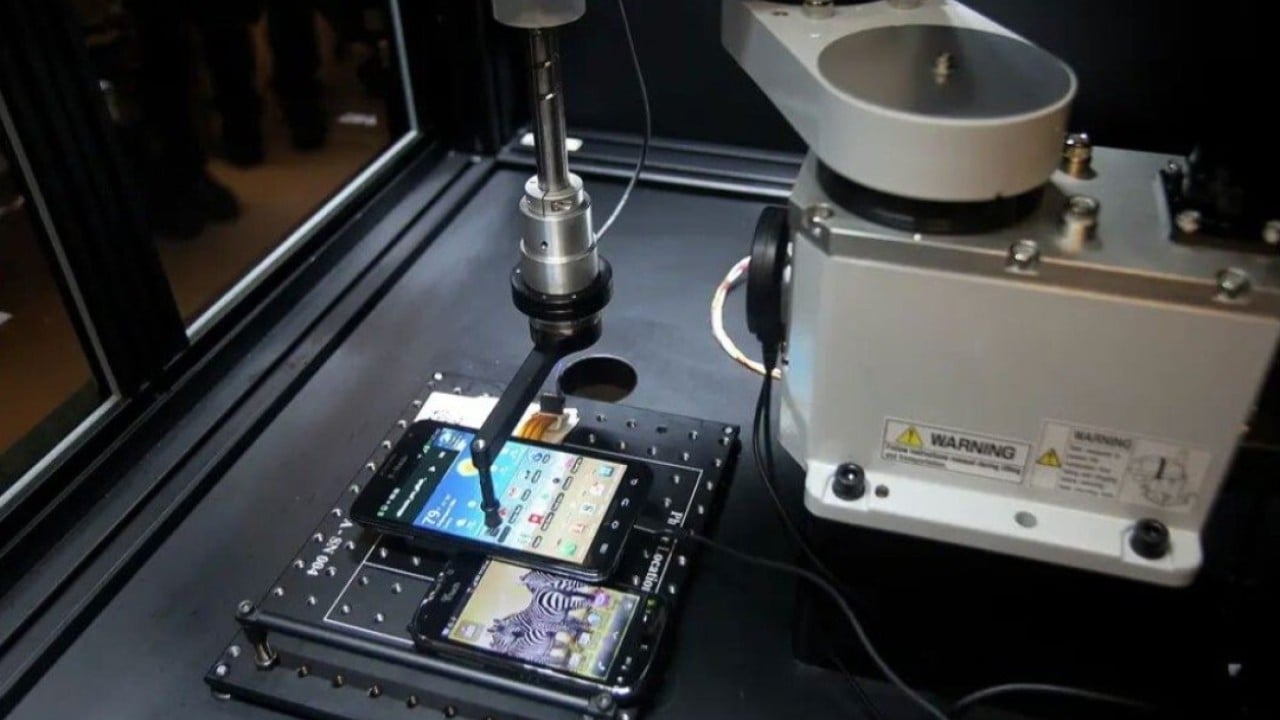
In a lengthy federal trial into racketeering charges, the US government has accused Huawei of strategically seeking to access T-Mobile's proprietary robot technology, dubbed Tappy, to gain insights into the trade secrets. Assistant US attorney Matthew Skurnik detailed how FBI Special Agent James Diclemis was shown emails demonstrating Huawei's interest in T-Mobile's technical specifications for the robot.
Tappy, developed in 2006, was used to automate quality assurance testing on smartphones, reducing time and costs associated with discovering software bugs and defects. Huawei has denied the allegations, claiming innovation drove its success, not intellectual property theft. Emails presented to the jury showed Huawei employees instructing engineer Prachi Kathale to request technical details from T-Mobile in 2012, despite uncertainty about obtaining the specs.
Another email revealed Huawei technical representative Richard Yao reporting that T-Mobile was unlikely to share the robot tech documents. Skurnik identified and documented dozens of Huawei officials through various email chains, linking them to their locations in China or the US. The trial, spanning two decades, charges Huawei with bank fraud, wire fraud, trade secret theft, racketeering, and violating US sanctions on Iran.
If convicted, Huawei could face significant fines and forfeit profits from alleged criminal activities, potentially one of the largest US corporate penalties in history.
Written by urgent.news from Reuters Business via SCMP's reporting — not their text. Machine-written — may contain errors; check the original before relying on it.