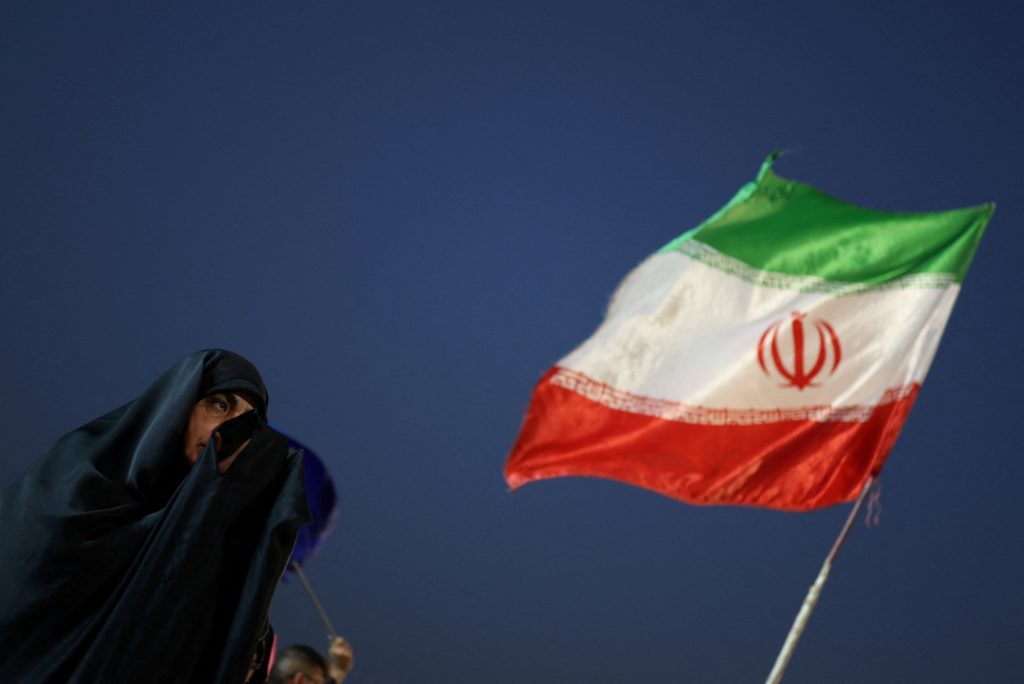
How nearly 7 months of war have changed daily life in Iran
For the third time, the House of Representatives voted to end the war with Iran. That war powers resolution would stop President Trump from continuing military action against Iran without congressional approval, but it still needs to pass the Senate. The push comes more than six months into a conflict Trump said would last weeks. Amna Nawaz discussed more with special correspondent Reza Sayah.
Vice President JD Vance has cautioned that escalating tensions between Iran and Houthis could lead to a significant energy crisis, as the conflict threatens two of the Middle East's crucial maritime chokepoints: the Strait of Hormuz and Bab Al Mandab. The situation has intensified recently, with Iran's pressure on shipping around Hormuz coinciding with the Houthi advance along Yemen's Red Sea coast.
The immediate concern now extends beyond simply navigating the Strait of Hormuz. The ongoing conflict is putting at risk the alternative routes that Gulf oil producers use to transport oil when Hormuz becomes challenging or unsafe. The Houthis, who are aligned with Iran, have seized control of the Red Sea port of Mocha and the strategically important Perim (Mayun) Island near the Bab Al Mandab Strait.
This development has heightened concerns over Bab Al Mandab, an alternative route that had served as an exit for Saudi oil exports when Hormuz was restricted.
The Houthi takeover of key ports in the Red Sea has raised alarms over Bab Al Mandab, a strait that serves as a gateway between the Red Sea and the Gulf of Aden. It is a critical maritime connection for ships traversing between the Indian Ocean and the Suez Canal route to Europe. According to the Washington Post, about 8.7% of global seaborne trade passes through the strait, encompassing a wide array of container, vehicle, and oil-product traffic.
If shipping through Bab Al Mandab were to become unsafe, vessels traveling between Asia and Europe would have to resort to the much longer route around the Cape of Good Hope, significantly increasing sailing time, fuel consumption, insurance costs, and freight expenses. This broader risk extends beyond oil, as containerized goods, liquefied natural gas (LNG), refined petroleum products, cars, and various commodities could all be impacted.
Iran has deployed hundreds of IRGC officers to Yemen to target the Bab al-Mandab Strait, further exacerbating the situation. The threat of oil prices surging above $100, coupled with the Red Sea threat, could potentially add an additional month to shipping times from Asia to Europe.
Written by urgent.news from Gulf News's reporting — not their text. Machine-written — may contain errors; check the original before relying on it.
This story
This is one outlet's version. Read the fullest account.