How do central bankers decide interest rates when inflation is so unpredictable?
The Federal Reserve, Bank of England and Bank of Japan all confront the same question this week: how do you set interest rates when inflation is being buffeted by forces well beyond your control? Writes Helen Thomas Three of the world’s most important central banks meet this week, with the Federal Reserve, Bank of England [...]
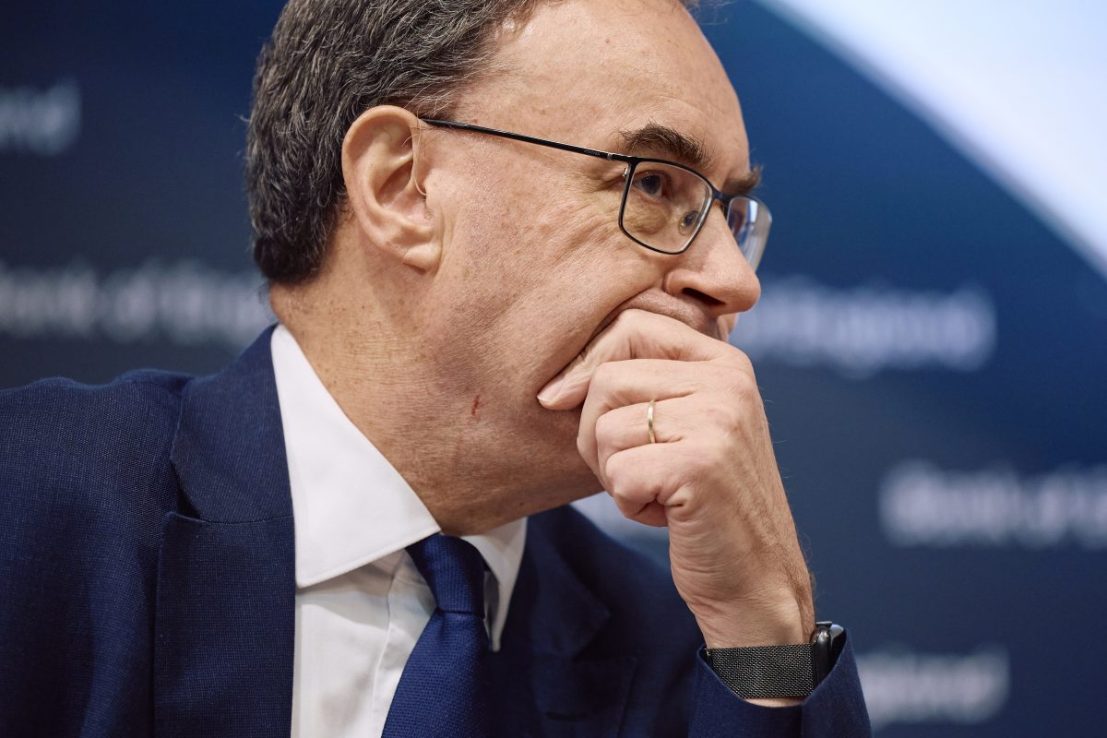
This week, three of the world's most influential central banks - the Federal Reserve, Bank of England, and Bank of Japan - are grappling with the challenge of determining interest rates amidst unpredictable inflation. The Federal Reserve is set to hike rates by 25 basis points following strong inflation data, while expectations have fluctuated due to Kevin Warsh's more hawkish approach, which aims to give markets more freedom to interpret inflation data independently.
The recent surge in wireless telephone service prices by 5.9% in August has contributed to this inflation spike, reminiscent of similar fluctuations discussed by Janet Yellen in the past, which she dismissed as common short-term variations. However, when the Fed eventually raised rates, dissent from Neel Kashkari and Charles Evans, as well as Larry Summers' critique of pre-emptive inflation tightening, were vocal.
Warsh may now be taking a more cautious stance, emphasizing the importance of considering all 199 components of the PCE price measure and noting that the proportion of components rising sharply has decreased to 46% from a post-pandemic high of 77%, indicating slightly less pressure. On the other hand, the Bank of England's Andrew Bailey is likely to maintain the Bank Rate unchanged, but the decision on quantitative tightening, which was initially set to reduce gilt holdings by £70bn, may be adjusted to £50bn.
This decision is made more complex by the need to balance fiscal concerns and global credit market demands, as well as political pressures. The Bank of Japan's Governor Kazuo Ueda is facing political interference from both the US Treasury Secretary and Prime Minister Sanae Takaichi, who wants reflation. Despite these challenges, the central bankers must remember that their decisions on interest rates may not impact the broader economic forces, such as rising oil prices due to geopolitical tensions, which could ultimately decide the fate of inflation.
Written by urgent.news from City AM's reporting — not their text. Machine-written — may contain errors; check the original before relying on it.