Hong Kong leader vows support for media’s global reach, to review TV practice code
Hong Kong’s leader has expressed renewed support for the local media industry, including strengthening its global reach and reviewing the code of practice for television to ensure it keeps abreast with the times. Chief Executive John Lee Ka-chiu made the pledges in both the city’s first five-year plan and the policy address he unveiled on Wednesday. In the section on “Develop an East-meets-West…
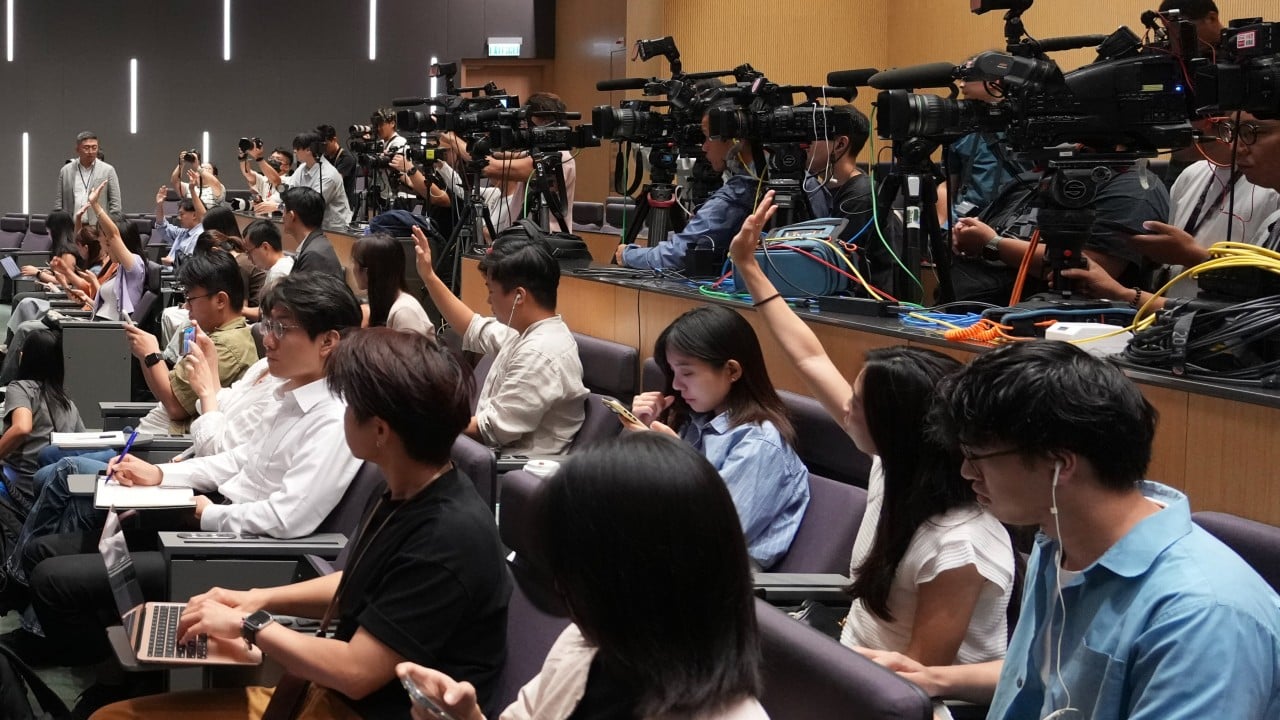
Hong Kong Chief Executive John Lee Ka-chiu has reiterated the city's commitment to bolstering the local media sector, with a focus on expanding its global presence and modernizing television broadcasting standards. In his first five-year plan and policy address, Lee outlined plans to enhance the mainstream media's international reach, emphasizing the government's continued support for media organizations to extend their networks beyond Hong Kong.
The South China Morning Post reported that the initiative aims to assist Chinese and English-language media in reaching readers worldwide, particularly in countries involved in China's Belt and Road Initiative.
In response to the evolving media landscape, Lee pledged to review the Generic Codes of Practice for Television, stating that regulation should keep pace with advancements in technology and industry trends. The codes, which govern television program, advertising, and technical standards, include guidelines for language usage, violent and sexual content, and indirect marketing.
The Newspaper Society of Hong Kong and the Hong Kong News Executives' Association welcomed the government's inclusion of media support in the blueprints, asserting that the strategic direction will foster media development and competitiveness amidst rapid technological changes and challenges in the industry.
Lawmaker Christine Fong Kwok-shan expressed concern over the disparity in regulatory frameworks between traditional broadcasters, which face strict advertising and content restrictions, and streaming platforms and social media, which operate with minimal oversight. Fong proposed the review of television codes to enable broadcasters to diversify revenue streams through flexible sponsorship arrangements.
She also raised concerns about generative artificial intelligence (AI) tools scraping news and multimedia content without proper licensing, potentially eroding the value of original intellectual property. Fong urged the government to establish guidelines or legal frameworks to protect copyrighted media content from AI data mining.
Elizabeth Quat, another lawmaker, acknowledged the increased complexity in copyright issues due to AI's ability to generate content independently rather than merely copying existing material. Quat highlighted the need for the current codes of practice to evolve with the multimedia ecosystem and television broadcasters' ongoing challenges to adapt and remain competitive in the digital age.
Written by urgent.news from South China Morning Post's reporting — not their text. Machine-written — may contain errors; check the original before relying on it.