Ghana Health Service records more than 53,000 adolescent pregnancies in seven months
Ghana recorded 53,415 adolescent pregnancies between January and July 2026, with 1,501 involving girls aged 10 to 14 years, data form the Ghana Health Service (GHS) has shown. The post Ghana Health Service records more than 53,000 adolescent pregnancies in seven months appeared first on Ghana Business News .
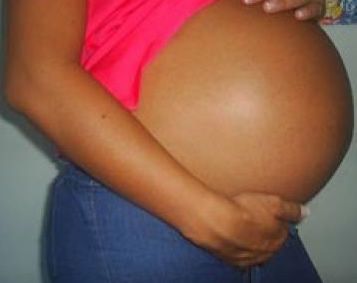
The Ghana Health Service (GHS) has documented over 53,000 adolescent pregnancies between January and July 2026, according to a recent report. This figure, obtained from the Service's routine Health Information System, reflects pregnancies recorded at healthcare facilities nationwide during the initial seven months of the year. Ms Sharifa Mohammed, the Programme Manager for Adolescent Health and Development at GHS, revealed this information at a National Multisectoral Dialogue on the Reduction of Teenage Pregnancy in Accra.
Ms Mohammed explained that the data, which averages approximately 7,000 adolescent pregnancies per month among girls aged 15 to 19 years, is close to the annual national burden of over 100,000 adolescent pregnancies as reported in the 2022 Ghana Demographic and Health Survey (GDHS). The GDHS indicates that 15.2% of girls aged 15 to 19 years have experienced pregnancy at some point.
The GHS's data reveals that adolescent pregnancies are more prevalent in certain regions, such as the Savannah Region, where the rate of 117.5 births per 1,000 adolescent girls surpasses the Sub-Saharan African average of 104 per 1,000. In the Bole District of the Savannah Region, the rate is even higher at 230 births per 1,000 for girls aged 18 to 19.
Ms Mohammed emphasized that girls out of school face a significantly higher risk of adolescent pregnancies compared to those still in education, underscoring the importance of keeping girls in school to reduce teenage pregnancies.
Since 2017, the GHS has been implementing a "Safety Net" intervention aimed at addressing the health and social needs of adolescent girls. This program offers comprehensive maternal and child health services, sexual and reproductive health education, psychosocial support, and referrals to social protection services. Pregnant adolescents are also supported to return to school through collaboration with the Ghana Education Service (GES) when feasible.
Ms Mohammed noted that while the program has reached over 310,000 young people with sexual and reproductive health information and approximately 54,000 pregnant adolescents with services this year, the primary challenge remains in the effective implementation, coordination, funding, and accountability of these interventions. Ms Clara Nyarkoah Anim, the Programme Manager for MSI Reproductive Choices Ghana (MSIG), highlighted that teenage pregnancy is linked to education, access to information and services, gender and social norms, and poverty.
She stressed the need to prioritize young people's perspectives in addressing the issue, recognizing their unique understanding of the challenges involved.
Written by urgent.news from Ghana Business News's reporting — not their text. Machine-written — may contain errors; check the original before relying on it.