From vocational training to AI governance: KOICA's evolving role in Central Asia
Korea's development aid to Central Asia, once rooted in vocational training and rural development, is pivoting toward artificial intelligence (AI) and digital governance, a shift that mirrors both the region's ambitions and Seoul's strategy to build lasting partnerships amid a fast-changing geopolitical landscape. Between 1992 and 2025, the Korea International Cooperation Agency (KOICA) channeled…
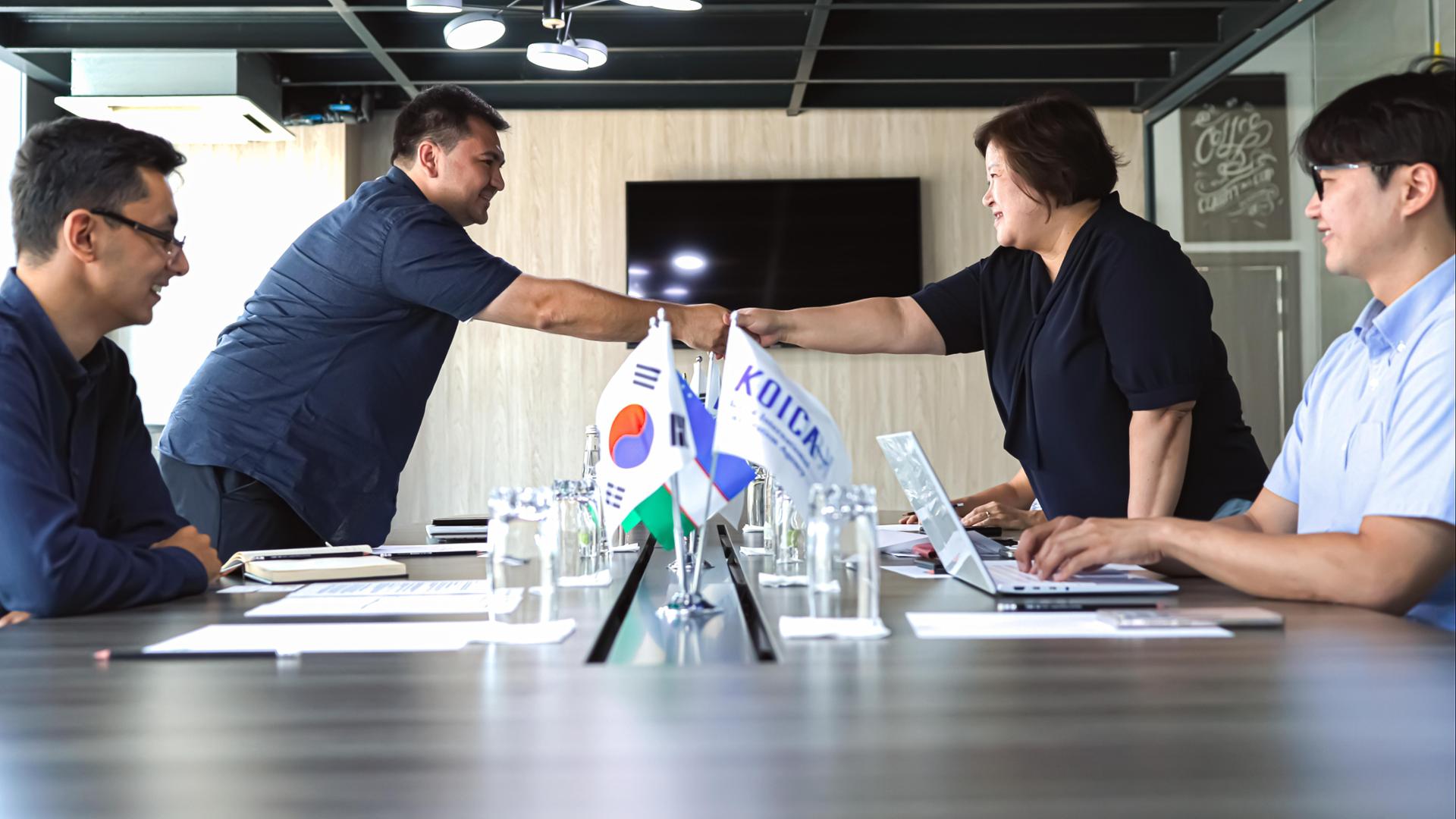
The Korea International Cooperation Agency (KOICA) has been adapting its development aid strategy in Central Asia from vocational training and rural development to focus on artificial intelligence (AI) and digital governance. This shift in focus aligns with the region's ambitions and Seoul's strategy for building lasting partnerships amid a rapidly changing geopolitical landscape.
Between 1992 and 2025, KOICA provided approximately $440 million in official development assistance (ODA) to the five Central Asian states, with Uzbekistan receiving the largest share, followed by Kyrgyzstan, Kazakhstan, Tajikistan, and Turkmenistan. Education accounted for 30.2% of the assistance, public administration for 24.9%, and technology, environment, and energy for 18.8%.
Traditionally, KOICA's work in the region centered on conventional development needs such as vocational training centers, primary health care programs, rural infrastructure, and capacity building in the energy sector. However, a turning point occurred around 2021 when the governments across Central Asia began advocating for digitized public services.
Brief written by urgent.news from The Korea Times's own syndicated text. Machine-written — may contain errors; check the original before relying on it.