From UPI to cash? Retailers warn new MDR could hit small merchants ahead of festive season
Retailers Association of India warns new UPI fees could reverse digital payment gains. Small merchants may shift transactions back to cash, impacting government formalization efforts. The association argues UPI debit transactions should not incur merchant discount rates. They propose the government should underwrite UPI network costs instead. RAI will seek a graded MDR structure and incentives…
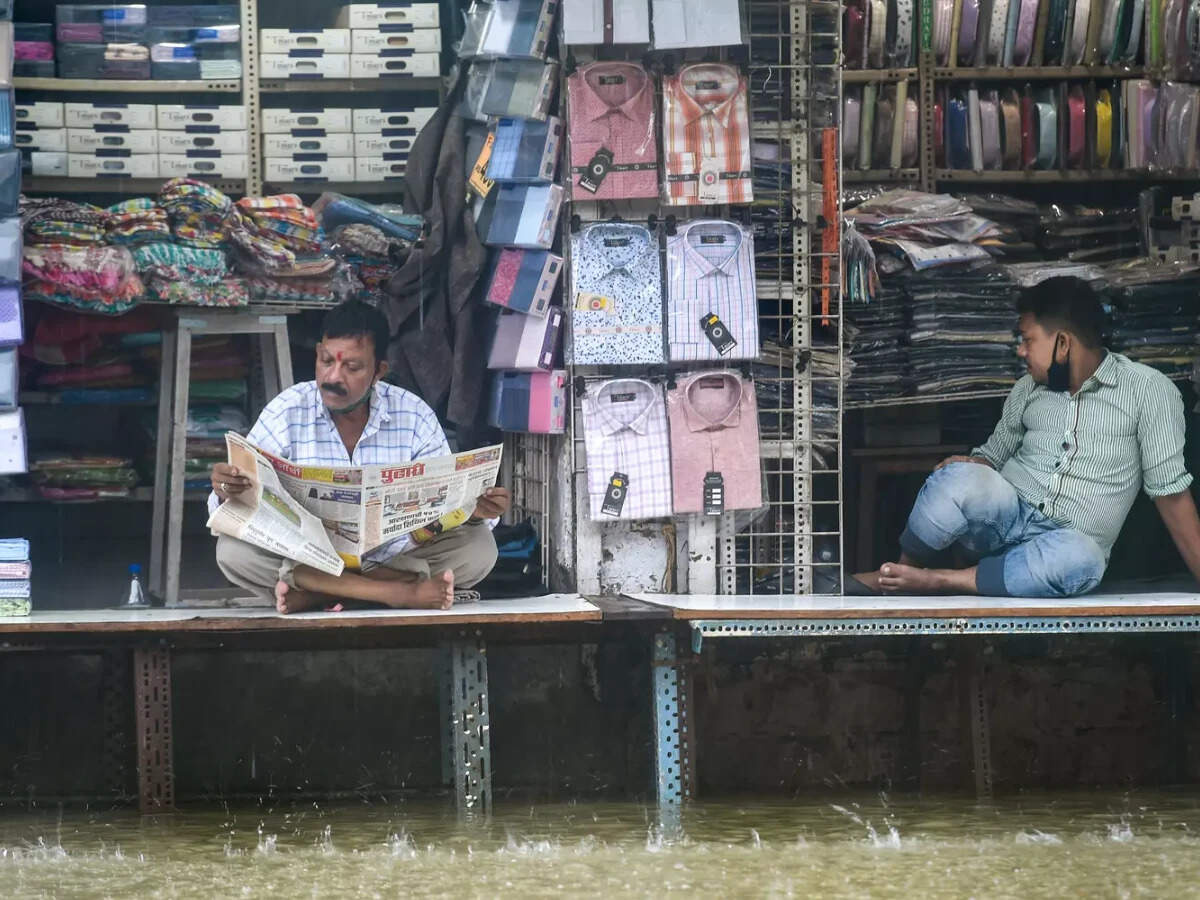
The Retailers Association of India (RAI) has expressed concerns that a new 0.4 percent Merchant Discount Rate (MDR) imposed by the Indian government could negatively impact small merchants as the festive season approaches. This fee, which applies to transfers over Rs 2,000 made through Unified Payments Interface (UPI) platforms, was introduced on October 15, despite UPI payments for smaller transactions remaining free.
The RAI argues that the MDR, which is capped at Rs 300 for larger transactions, puts an additional financial burden on retailers who often operate with thin margins. Many MSME retailers could be tempted to revert to cash transactions, reversing the progress made in digital payment adoption in recent years. This shift back to cash would also hinder the government's efforts to formalize transactions, as they would no longer be traceable through GST reporting systems.
RAI CEO Kumar Rajagopalan emphasized that the government should not tax UPI transactions, which generate revenue and provide valuable traceability. He also cautioned that charging all UPI transactions uniformly is unjustified, as many of these payments resemble digital debit transactions without the associated interchange costs or credit risks seen in credit networks.
Written by urgent.news from The Economic Times - Economy's reporting — not their text. Machine-written — may contain errors; check the original before relying on it.