Endangered water voles introduced to reserve
Efforts are being made to reintroduce the locally-extinct species back to the River Wey in Surrey.
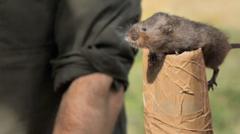
Surrey Wildlife Trust has introduced 30 endangered water voles to a reserve near Elstead on the River Wey. This marks a successful reintroduction following a prior release further upstream. The water voles will be distributed across 10 sites between Frensham and Elstead. James Herd, the trust's director of reserves management, expressed hope that this release would be part of a larger trend of reintroducing native species.
Water voles had been functionally extinct in Surrey since the early 2000s, but coordinated efforts by conservation groups aim to restore their population. The trust anticipates that over the coming months, the aquatic rodents will adapt to the 16-hectare Thundry Meadows reserve and spread across the Wey catchment. This return of water voles will also benefit other species relying on healthy wetland habitats, such as herons and birds of prey.
David Elliott, National Trust lead ranger for the South Downs West, emphasized that nature thrives when communities collaborate, expressing delight in the return of water voles after decades of local extinction. The reintroduction is part of a broader initiative involving the National Trust, River Wey Trust, and South East Rivers Trust to repopulate the River Wey with the enchanting species.
Written by urgent.news from BBC Science's reporting — not their text. Machine-written — may contain errors; check the original before relying on it.