Employability, social impact reshape global university rankings
Global university rankings are looking beyond traditional measures of academic excellence, placing greater emphasis on how universities prepare students for a changing job market and contribute to society as artificial intelligence (AI) reshapes workplaces. But emerging and regional universities still face the challenge of balancing performance on common ranking criteria with efforts to develop…
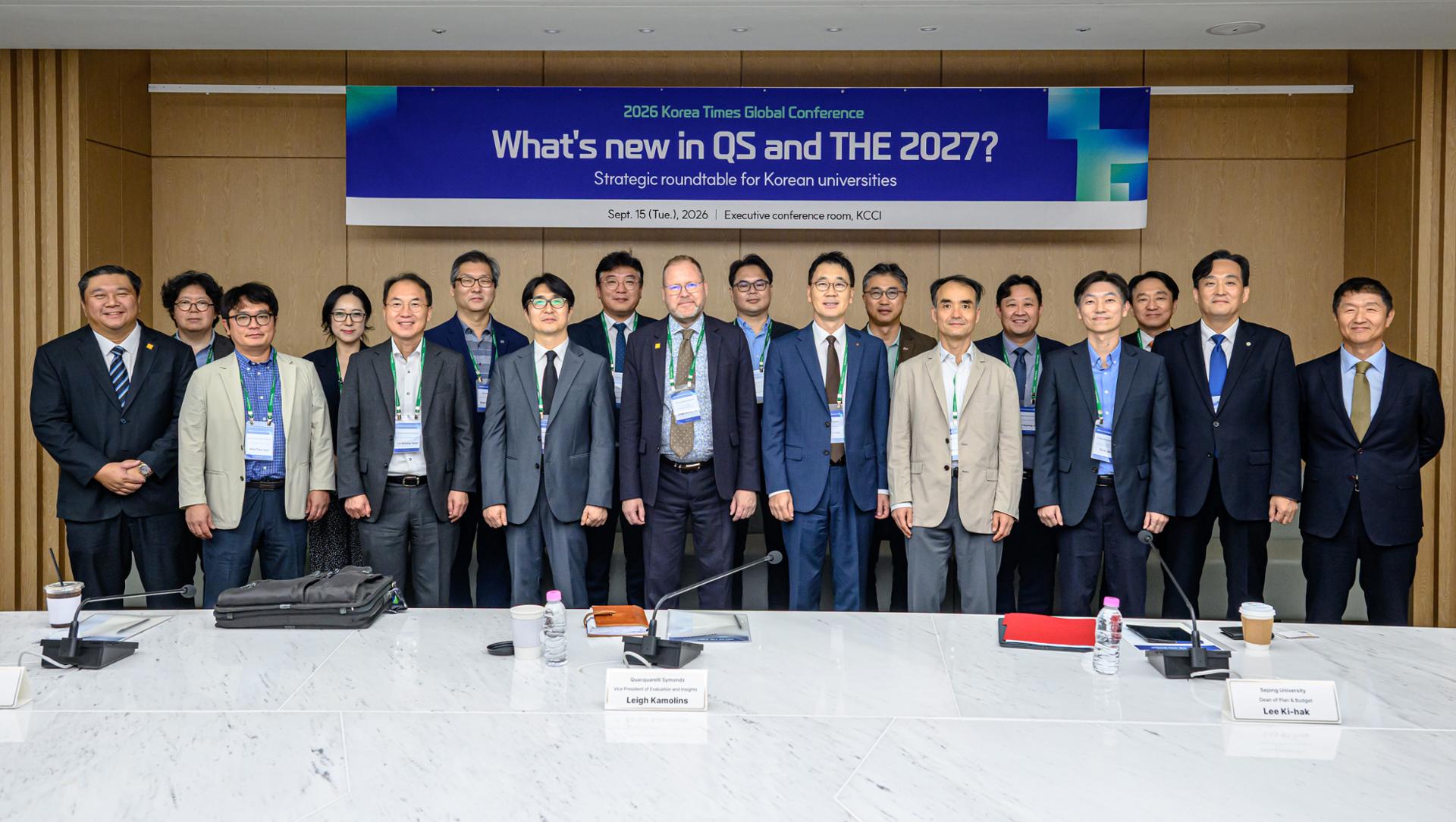
Global university rankings are undergoing a transformation, moving away from traditional measures of academic prowess to prioritize factors such as graduate employability and societal contribution in an era where artificial intelligence (AI) is transforming industries. Despite this shift, smaller and emerging institutions continue to grapple with the task of maintaining high performance in traditional ranking metrics while simultaneously highlighting their unique strengths.
The changes in the ranking criteria have been highlighted by the leaders of Quacquarelli Symonds (QS) and Times Higher Education (THE), two prominent global ranking organizations. QS has amplified its focus on graduate employability, which now constitutes 20 percent of its World University Rankings. The organization is actively refining its methodology to better gauge how universities prepare students for the evolving job market.
Similarly, THE has begun emphasizing universities' sustainability efforts and broader social impact as critical components of their evaluation process. These organizations announced these changes during special sessions convened following the 2026 Korea Times Global Conference, where they also examined the strengths and weaknesses of Korean universities in this new landscape.
Written by urgent.news from The Korea Times's reporting — not their text. Machine-written — may contain errors; check the original before relying on it.
Also reported by 1 other outlet
- Employability, social impact reshape global university rankings koreatimes.co.kr