Desinformation: „Frequenz der Aktivitäten weiter erhöht“: Verfassungsschutz sieht Merz verstärkt im Visier Russlands
Russland verstärkt laut Verfassungsschutz seine Desinformationskampagnen gegen Kanzler Friedrich Merz. Der Zeitpunkt ist heikel: In wenigen Tagen stehen zwei wichtige Wahlen an.
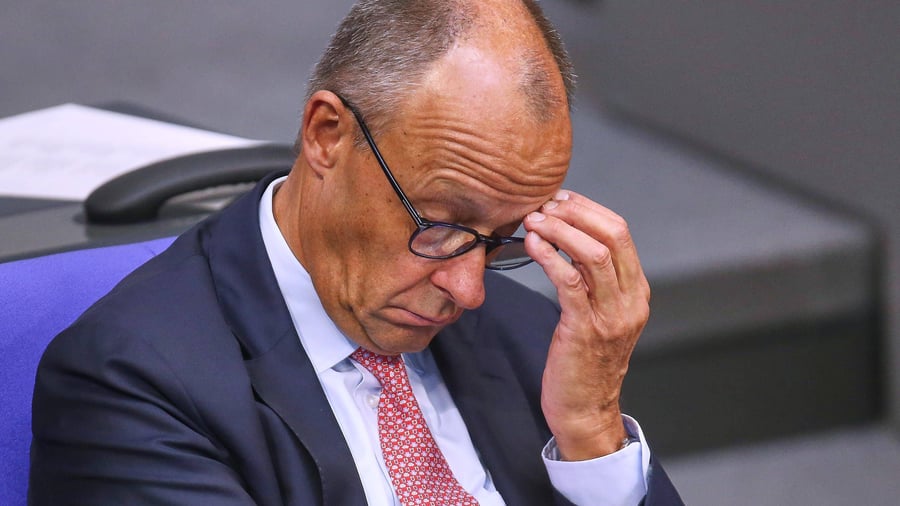
Bundeskanzler Friedrich Merz (CDU) is increasingly becoming the focus of Russian disinformation campaigns amidst the most intense political crisis of his tenure. Since the 2025 Bundestag election, there has been a rise in "information manipulation activities" directed at Merz. The Federal Office for Protection of the Constitution (BfV) confirmed to the Handelsblatt that the frequency of these activities has increased significantly since late June 2026.
The timing is politically sensitive, coming on the heels of the CDU's poor performance in the Saxon-Anhalt state election, which has increased pressure on Merz within his own party. Federal elections in Mecklenburg-Western Pomerania and Berlin on Sunday, as well as the subsequent scrutiny of their outcomes, are seen as further tests for the chancellor.
A security session was scheduled for Sunday evening at the Konrad-Adenauer-Haus to discuss the election results and their implications. Security authorities noted the timing of the heightened Russian fake campaigns in relation to the up-coming elections. The BfV warned in August about a targeted disinformation campaign against Merz, including during the September elections in Germany.
Local election observers reported "massive domestic and foreign disinformation campaigns" during the Saxon-Anhalt state election, which threatened the credibility of the voting process. The domestic intelligence service confirmed that the overall activities against the chancellor have increased. Social media platforms play a central role in these Russian activities, with content initially placed by so-called "Seeder-Accounts" and then amplified by "Amplifier-Accounts" to increase their reach.
These manipulative techniques create the illusion of widespread agreement on a particular issue, while in reality, a controlled network is responsible for the perceived resonance. The use of well-known media brands adds credibility to false claims, often spread under the names of established German and international media houses.
A recent example in August featured a German-language video using the Deutsche Welle logo and the title "Internal CDU Documents: Merz to Resign on August 10." The video falsely claimed that internal CDU correspondence showed Merz planning his resignation, though such correspondence did not exist. The video's supposed Handelsblatt website was fake.
The BfV sees this pattern of misinformation as typical, where authors latch onto current political developments and combine multiple seemingly credible sources. Adding an additional medium, such as the Handelsblatt, makes the fake news appear more authentic and boosts the credibility of the purported source. Such campaigns aim to discredit politicians during politically significant events.
The security agency has been monitoring such activities intensively around election dates. Geopolitical considerations, especially during critical political moments, prompt increased surveillance of potential disinformation efforts.
Written by urgent.news from Handelsblatt's reporting — not their text. Machine-written — may contain errors; check the original before relying on it.