Crocodiles, Hippos, and Malaria Are Just Some of the Dangers in the Congo Basin
Learn how flooding, dangerous wildlife, and tropical diseases could complicate Ash Dykes’s 400-mile kayak trip through the Congo Basin.
Welsh adventurer Ash Dykes is preparing to kayak over 400 miles down the Sangha River in the Congo Basin. Viewers on TikTok have expressed concerns over his safety, and he has discussed the potential dangers in his videos. The risks include encounters with crocodiles, hippos, snakes, biting insects, and challenges with medical assistance.
Seasonal flooding can impede travel, while mosquitoes carry malaria, and contaminated freshwater can lead to parasitic infections like schistosomiasis. If a person becomes seriously ill or injured, finding medical help could add another challenging journey to the expedition. The Sangha River feeds into the larger Congo River system and traverses through Cameroon, the Central African Republic, and the Republic of Congo.
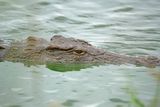
The river's surrounding region features swamp forests, flooded areas, and floating grasses, making it difficult to find suitable spots for camping. During the rainy season from April to October, seasonal flooding can disrupt travel and essential services, potentially leaving travelers stranded on land with flooded roads. Nile crocodiles, hippos, and venomous snakes all pose threats to people in the region.
Hippos can be particularly dangerous due to their size and powerful jaws. A bite from a Gaboon viper, a venomous snake common in the area, can be fatal, emphasizing the importance of prompt treatment if one occurs. Malaria transmission is possible through mosquito bites, while parasites in contaminated freshwater can cause infections like schistosomiasis.
With crocodiles, hippos, and the necessity to seek dry ground for camping and safe drinking water, Dykes and his companions face numerous challenges. If someone in the group becomes ill or injured, they may need to end the journey early due to the difficulty of accessing medical help. If all goes well, Dykes hopes to complete the trip with memorable experiences and a strong motivation to leave the kayak behind.
Written by urgent.news from Discover Magazine's reporting — not their text. Machine-written — may contain errors; check the original before relying on it.


