Cómo valoran los expertos la compra de Isdin por parte de Puig
Los expertos consideran que la operación tiene sentido estratégico y le permite diversificar, pero algunos consideran que ha pagado múltiplos elevados y preocupa la deuda. La cuestión es si podrá rentabilizar el crecimiento. Leer
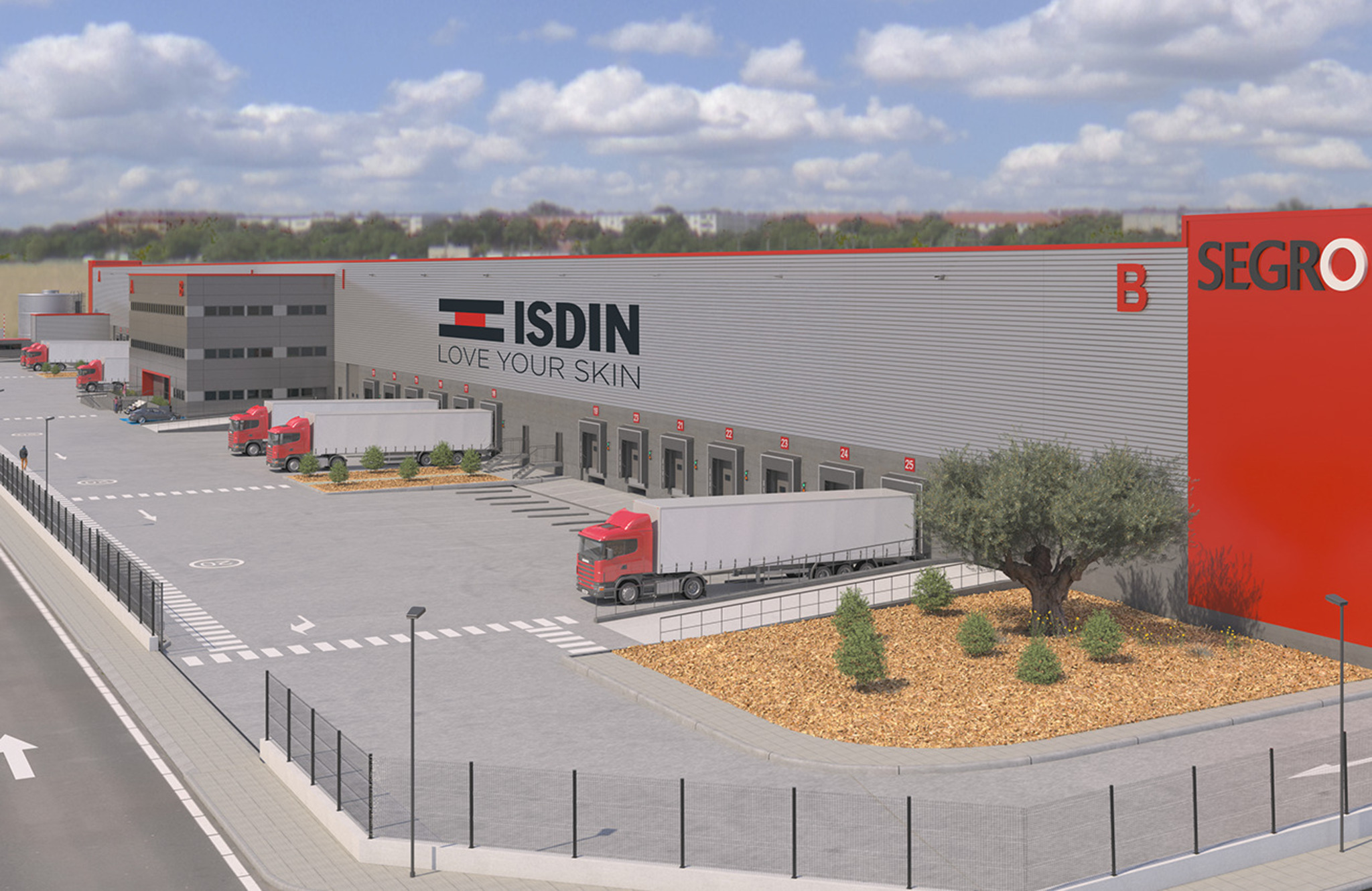
Experts assess Puig's acquisition of Isdin's 50% stake for 1.2 billion euros with strategic significance, as it allows the Spanish beauty company to diversify and enter the dermatology market. However, some analysts express concerns about the high valuation and the company's mounting debt. The main uncertainty lies in whether Puig can translate this growth into profitability.
Puig's stock fell over 3% following the announcement, reaching its lowest point since mid-August at 17.11 euros. Nevertheless, the shares have risen 15% so far this year.
The acquisition is seen as a logical move to expand in skincare, which currently accounts for 12% of Puig's sales and has higher growth potential and margins. Analysts point out that it reinforces Puig's position in premium brands with added value, as these products represent 75% of the company's sales. Pablo Fernández de Mosteyrón, an analyst at Renta 4, notes that the operation will allow Puig to gain scale in dermatology, strengthen its position in EMEA, and capture the full potential of Isdin's growth and synergies.
However, the main question is how well Puig can translate this growth into profitability. The price paid is demanding, and the initial impact on earnings per share is limited. The attractiveness of the deal will depend on Puig's ability to reinvigorate growth, recover margins, and extract synergies. Nicolás López, director of Renta Variable Analysis at Singular Bank, stresses that the final appeal will depend on Puig's ability to reactivate growth, improve margins, and extract synergies.
For Fernández-Trapiella, the agreed price represents demanding multiples with a PER of 42 times and an EV/ventas ratio of 3.7 times. These multiples contrast with the 16 times PER and 28 times EV/EBIT of Puig's peers, like L'Oreal. However, this negative effect is further exacerbated by the fact that the PE ratio contrasts with the 16 times paid by Puig and the 28 times of L'Oreal, according to Banco Sabadell.
Written by urgent.news from Expansion ES's reporting — not their text. Machine-written — may contain errors; check the original before relying on it.