CNA Explains: Saudi Arabia's East-West pipeline is down. Why its oil 'insurance policy' matters
Built in the 1980s to bypass the Strait of Hormuz, the East-West pipeline has become a crucial route for Saudi oil exports. With the pipeline now out of action after drone attacks, a prolonged outage could hit buyers, including those in Asia, hard.
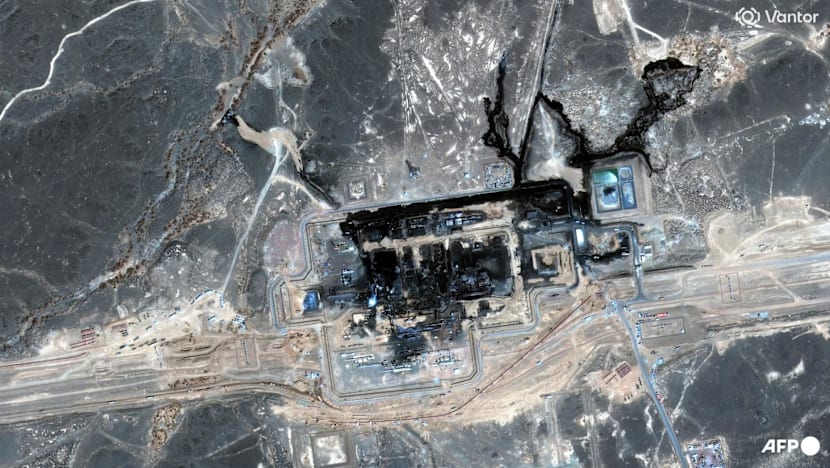
Saudi Arabia accused Yemen's Iran-backed Houthi rebels of attempting to attack Islam's holiest city, Mecca, prompting regional condemnation but no military support. The kingdom, a major U.S. ally, has declared Mecca a "red line" amid its involvement in the Iran war. Saudi Arabia, a top oil exporter, seeks a safe route for its crude and military assistance, though neither appears readily available.
The Houthis denied firing drones at Mecca, claiming the Saudi forces intercepted and destroyed one drone before it entered the city's airspace. Turkey and Pakistan report they have not received a Saudi request for assistance. The Organization of Islamic Cooperation, representing over 57 Muslim states, condemned the attempted drone attack on Mecca as violating the sanctity of holy sites.
The Houthis also claimed to have shot down a Saudi F-15 fighter jet in Marib province, but this claim remains unverified. Iran's top diplomat visited China, which is the largest importer of Iranian oil, as discussions focused on the Middle East conflict and the Strait of Hormuz.
Written by urgent.news from Winnipeg Free Press's reporting — not their text. Machine-written — may contain errors; check the original before relying on it.
This story
This is one outlet's version. Read the fullest account.