Cement: Earnings rise; recovery turns uneven
Pakistan’s cement sector entered FY27 on a stronger financial footing, but August dispatches show that demand recovery remains uneven. FY26 saw higher domestic volumes, improved capacity utilisation and a 13 percent rise in listed-sector profitability. The first two months of FY27 have kept the domestic recovery intact,but softer August volumes and the halt in northern exports show that the…
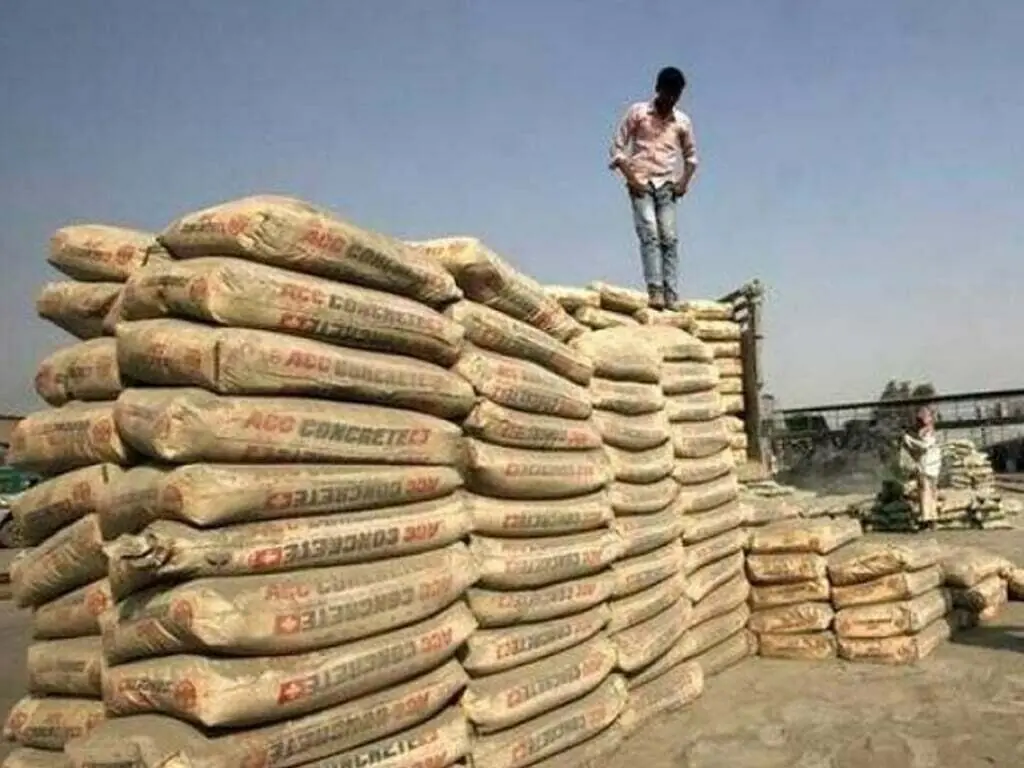
Pakistan's cement sector entered FY27 with a stronger financial position, yet August data reveals that recovery is uneven. The first two months of the year kept domestic demand on track, but lower August volumes and halted northern exports highlight the uneven nature of the recovery. Total cement dispatches in August 2026 amounted to about 4 million tons, falling 0.7% year-on-year and nearly 10% from July 2026.
Domestic dispatches dropped 1.1% to 3.3 million tons, while exports rose 0.9% to 0.76 million tons. Local sales declined around 13% month-on-month. Despite July's strong performance, August's weakness followed, with domestic dispatches up 8% year-on-year to 7.06 million tons. Overall dispatches grew 2.7%, while exports declined 16.7% to 1.46 million tons.
Export weakness was mainly in the North, where mills didn't export during FY26 and domestic sales rose about 8%. Southern exports increased over 11%. Regional disparities were even starker in August; northern dispatches fell 9.4% year-on-year to 2.7 million tons, local sales dropped 2.6%, and exports went to zero. Southern dispatches rose nearly 23% to 1.35 million tons, boosted by 6.5% local sales growth and nearly 40% export growth.
Flooding and heavy rains hurt northern construction activity that month. The sector had previously started using idle capacity more efficiently. FY26 dispatches increased 7.2% to 50.5 million tons, driven by a 9.5% domestic sales rise, while exports fell 2.2%. Capacity utilization rose to about 60% from roughly 56% in FY25. Higher volumes helped earnings, with listed-sector profitability up around 13%.
Revenues grew in single digits, but gross margins stayed flat due to cost pressures. Better utilization and lower operating performance contributed modestly to earnings. Much of the earnings boost came from lower finance costs and a lower effective tax rate. The final quarter benefited from a one-off deferred tax adjustment after super tax reduction, enabling net profit to grow faster than operating profit.
Performance varied among companies. Lucky Cement led earnings growth, with unconsolidated FY26 profit up about 41%. DG Khan Cement also posted strong earnings, aided by lower finance costs, while Fauji Cement benefited from lower financing expenses. Maple Leaf saw a notable exception, with unconsolidated earnings down around 50% due to increased finance costs from debt for the Pioneer Cement acquisition.
Prices remain supportive, with cement averaging Rs1,557 per 50kg bag in August, up 6% year-on-year. This helps producers absorb higher energy and freight costs, though high prices may also curb demand. Domestic demand drives the positive outlook, with domestic dispatches up 8% in 2MFY27. However, August demonstrates that the recovery remains uneven, especially in the North where weather disruptions and lost exports affected volumes.
Moving forward, earnings will hinge on sustained demand, better utilization, and manageable costs, as the earnings boost from lower finance costs and tax relief is unlikely to be as strong as in FY26.
Written by urgent.news from Business Recorder's reporting — not their text. Machine-written — may contain errors; check the original before relying on it.