Canon gives a massive boost to the radio range of its popular EL-5 Speedlite flashgun for mirrorless cameras
Version 2 is identical to the original multifunction-hotshoe strobe – except that the wireless range extends to an impressive 50 meters or 164 feet
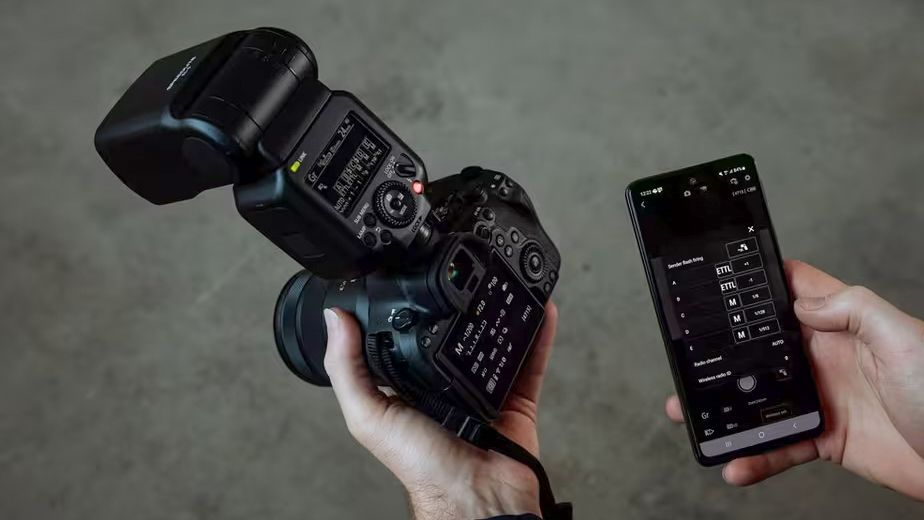
Canon has unveiled an enhanced version of its popular EL-5 Speedlite flashgun for mirrorless cameras, specifically designed to work with the 21-pin multifunction hotshoe connection found on newer Canon EOS R mirrorless cameras. The new Canon Speedlite EL-5 (Ver. 2) boasts a significant boost in its wireless radio control range, now capable of operating from up to 50 meters (164 feet) away - a 66% increase from the previous 30 meters (98 feet) of the original model.
Despite this upgrade, the Ver. 2 version retains all other features, including a pan-tilt flash head that can rotate 180°, a tilt range from -7° to +120°, and a zoom head with coverage from 24-200mm, providing a maximum flash output of 28.7-60 (m/ISO100). The flashgun also includes a wide panel for extended coverage when using a 14mm lens, with a Guide Number of 14.8 (m/ISO100).
Offering both E-TTL II and dedicated E-TTL exposure, the Ver. 2 Speedlite EL-5 provides manual power settings ranging from full power down to 1/1024sec, in one-third of a stop increments. Additionally, the flash can set a burst frequency from 1-500Hz, and its built-in radio transmitter can control up to 15 Speedlites wirelessly, allowing photographers to create dynamic lighting setups with its adjustable built-in white LED lamp.
Priced at $379 / £399.95, the Speedlite EL-5 Ver. 2 is set to launch in late October, compatible with Canon's latest mirrorless camera models such as the EOS R8 Mark II, EOS R5 Mark II, EOS R6 Mark II, EOS R7, and EOS R8.
Rewritten by urgent.news; may contain errors — check the original.
Source: digitalcameraworld.com