BoJ poised to raise rates under pressure from inflation, US
AgenciesThe Bank of Japan is poised to raise interest rates again on Friday to counter inflation fuelled by surging energy prices and to support the yen, under Washington’s watchfu...
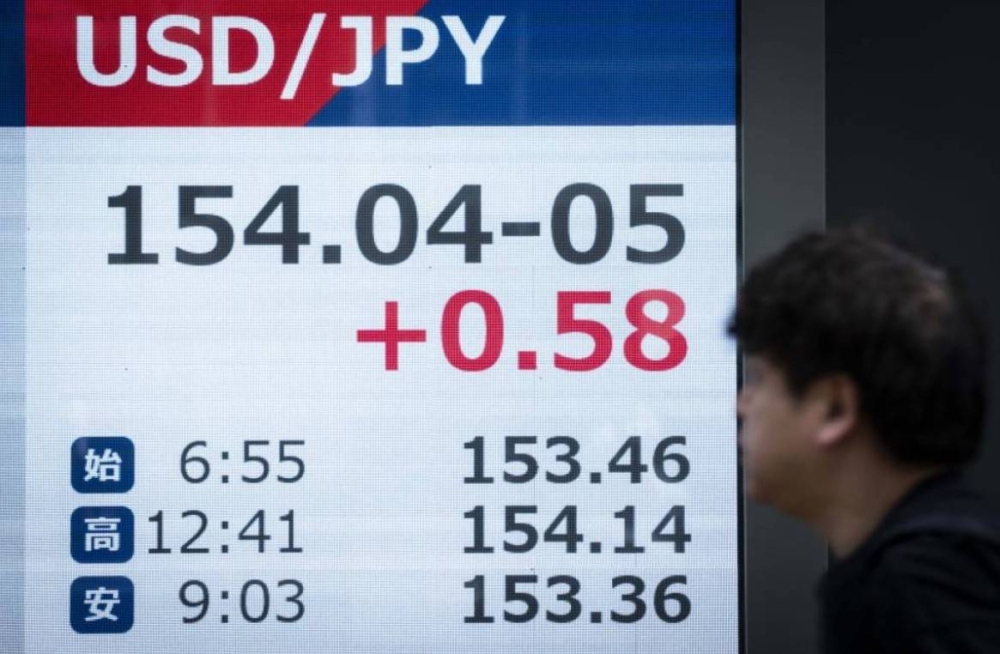
The Bank of Japan is set to increase interest rates again on Friday, aiming to curb inflation driven by soaring energy costs and bolster the yen, all while monitoring the United States' Federal Reserve's subsequent decision. The European Central Bank had already raised rates last week. The Bank of Japan, meeting on Thursday and Friday, is expected to lift its key rate by 0.25 percentage points to 1.25%, the highest level in over three decades.
Inflation surged in July to 2%, nearing the Bank of Japan's two percent target. Takehiko Nakao, Japan's former currency chief and Asian Development Bank president, believes a rate hike to 1.25% at the upcoming policy meeting is already priced in. He warns that delayed action could lead to more frequent and sharp rate hikes if inflation continues to climb.
Marcel Thieliant of Capital Economics anticipates further inflation, excluding fresh food and energy, to rise to 2.5% by early next year. If the government does not resume subsidies for electricity and gas, headline inflation could surge above 3%. Central banks are concerned about the yen's decline, which hit its weakest level against the dollar in 40 years in July.
Japan's low interest rates compared to the Federal Reserve's have driven investors towards dollar assets. The U.S.-Japan joint foreign exchange intervention last month provided temporary relief but has pushed the Bank of Japan to accelerate rate hikes. With the economic and political costs of underperforming markets and the U.S. weighing heavily, the Bank of Japan and the government seem unable to ignore the pressure for decisive action.
Former Bank of Japan Governor Bessent has expressed strong support for Japan's efforts to address the yen's undervaluation through decisive monetary and market measures. Japan's slow normalization of interest rates since 2024, he notes, has been a significant factor behind the weak yen, which in turn raises the cost of imports and fuels inflation.
While a weaker yen makes Japanese exports more competitive, it also increases the cost of imports, potentially eroding purchasing power and dampening consumption and investment. To support the yen, Nakao stresses the importance of the Japanese government reducing its debt and restoring market confidence.
Written by urgent.news from Qatar Tribune Business's reporting — not their text. Machine-written — may contain errors; check the original before relying on it.