Asteroid hit the moon and flung rocks 120 kilometres from the crater
Researchers have watched a huge crater form on the lunar surface, and its widespread effects could help inform future exploration of the moon and other similar places
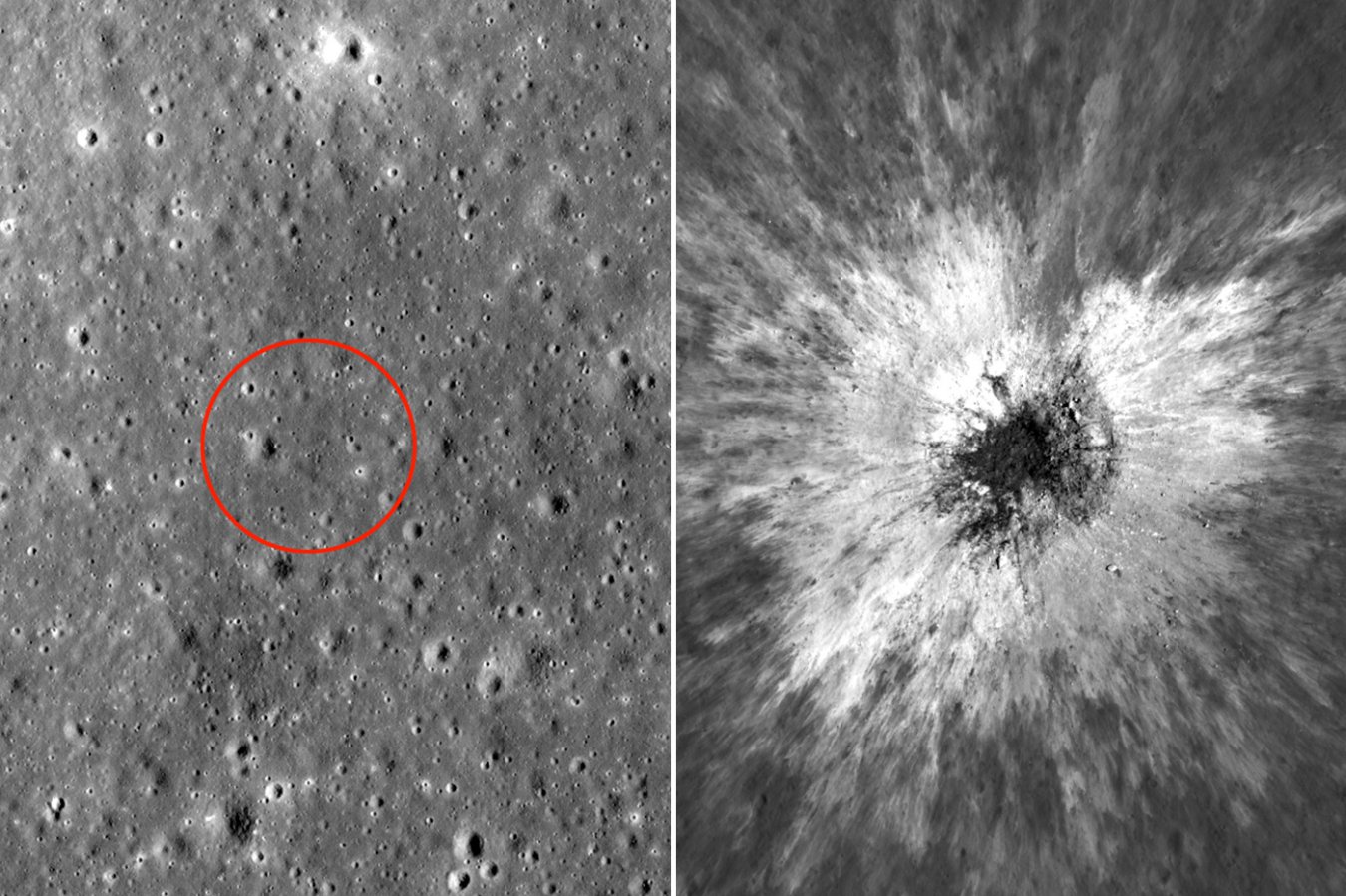
A newly formed crater on the moon, dubbed McGetchin crater, is revealing the planet's intricate geology, as scientists witnessed its creation in real time in 2024. The impact, caused by an asteroid roughly 222 meters in diameter, is the largest crater they've ever observed forming, occurring approximately once every 132 years based on current models.
Measuring 7 kilometers wide, the crater's surface temperature drops during the lunar night due to the fluffing of lunar dust, which cools faster without sunlight. Remarkably, research indicates the impact hurled debris and rocks over 120 kilometers from the crater. This discovery challenges previous notions, as it demonstrates that craters can exert influence over vast areas beyond their immediate vicinity, reshaping the lunar surface significantly.
The findings, published in Science Advances, offer crucial insights into the moon's history and other airless, cratered bodies in the solar system. Understanding these processes holds paramount importance for future lunar exploration, including rover deployments, astronaut missions, and construction activities, as they demand comprehensive knowledge of the lunar surface's characteristics.
Written by urgent.news from New Scientist's reporting — not their text. Machine-written — may contain errors; check the original before relying on it.