Argentina crisis prevention filings hit 2025 total in seven months
Applications to Argentina's crisis-prevention bankruptcy procedure have matched last year's total in just seven months, a freedom-of-information request reveals. Behind the acceleration lies a deepening squeeze on the payment chain and mounting financial strain on the country's small and medium-sized firms. Leer más
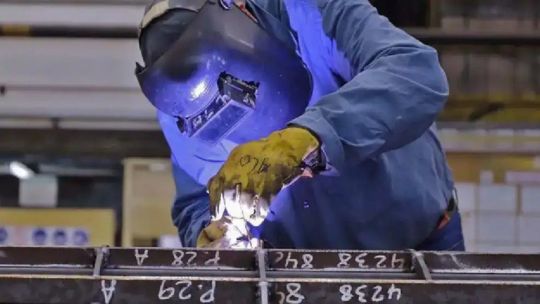
Argentina's crisis prevention filings have surged, with authorities receiving as many requests in the first seven months of 2025 as they did the entire year before, according to a human capital ministry report obtained by Perfil. Chapter Eleven-style bankruptcy proceedings, or Procedimientos Preventivos de Crisis (PCC) in Spanish, are being sought by companies facing imminent financial distress.
These proceedings, administered by the Labour Department, allow businesses to negotiate mass suspensions or reduced severance payments to continue operations. In the first seven months of 2025, 163 PCC files were opened, matching the total from all of 2024. The Human Capital Ministry acknowledged that details about each case - such as the company's status, workforce, and proposed measures - could change over time.
Since President Javier Milei took office in late 2023, a total of 458 PCCs have been filed, more than double the number filed during the same period in 2024. Despite a slight economic rebound in 2025, GDP growth has remained volatile, with declines in labour-intensive sectors like industry, commerce, and construction. The Argentine economy has shed 30,633 companies in the first 30 months of Milei's presidency, marking the worst decline in the productive sector under any government.
Many of the remaining companies are operating under red and amber alerts, with at least 47 percent struggling to meet some of their financial obligations and 9.2 percent failing to meet any. The payment chain is a key factor in the tension, with company arrears in the financial system more than doubling between the third quarter of 2025 and the second of 2025.
The textile industry, particularly, has been hit hard, with arrears reaching 14.6 percent. Multinational companies like Unilever and Tía Maruca have announced closures or job cuts, citing changing consumer habits and falling domestic prices.
Written by urgent.news from Buenos Aires Times's reporting — not their text. Machine-written — may contain errors; check the original before relying on it.