Apple planning to sell AI servers powered by M8 Ultra chips, says report
Apple is working on plans to make enterprise servers powered by M8 Ultra chips, according to a new report. The report specifically says that the company plans to offer the AI -focused servers for sale, not just use them internally. Two versions are said to be in development, with Apple considering incorporating Nvidia networking tech in the machines … more…
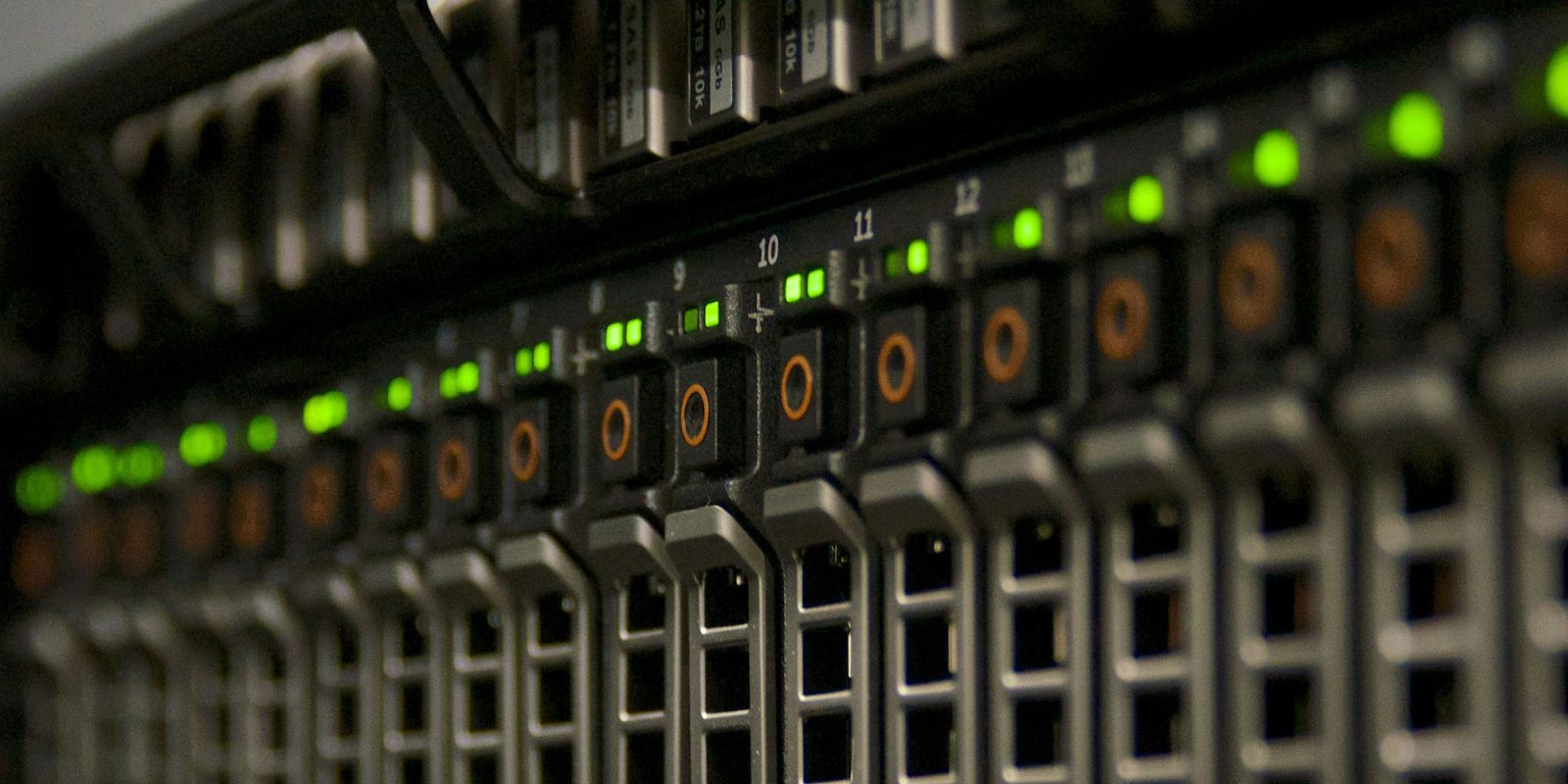
Apple is reportedly in the planning stages to manufacture and sell enterprise servers equipped with M8 Ultra chips, according to a recent disclosure. The company intends to market these AI-focused servers rather than utilizing them exclusively for internal purposes. Two versions of these servers are being developed, with Apple exploring the possibility of integrating Nvidia networking technology into the machines.
However, the plans are not yet finalized and the servers are anticipated to be launched in 2029. The servers are intended for sale to AI developers, other businesses, and government entities, according to sources. The product under consideration would come in two versions—one smaller unit featuring two of Apple's projected M8 Ultra chips, and a larger unit containing four M8 Ultra chips.
Apple has contemplated linking the M8 chips in the server via Nvidia's NVLink Fusion, a set of products comprising switches, chiplets, and software that facilitate communication between chips in data centers. Apple has reportedly been working on this project for approximately a year, with CEO John Ternus supporting the initiative.
Although 2029 is a considerable time away and the project could be abandoned before then, the report underscores the potential market for more potent Apple servers. This is evident as individuals are already using clusters of Mac Studios to run AI models locally. The primary question is whether this project holds sufficient importance for Apple to proceed with its development and release.
Written by urgent.news from 9to5Mac's reporting — not their text. Machine-written — may contain errors; check the original before relying on it.