Apple just gave every iPhone photo a digital alibi
The fight against AI slop is real, even in photography, which is why Apple introduced its Reference Image tech alongside its new iPhones . This shifts image verification to the moment of capture, creating a privacy-preserving digital negative that could help newsrooms, businesses, and individuals prove that images are real. Apple’s Security Research team just shared a white paper explaining how…
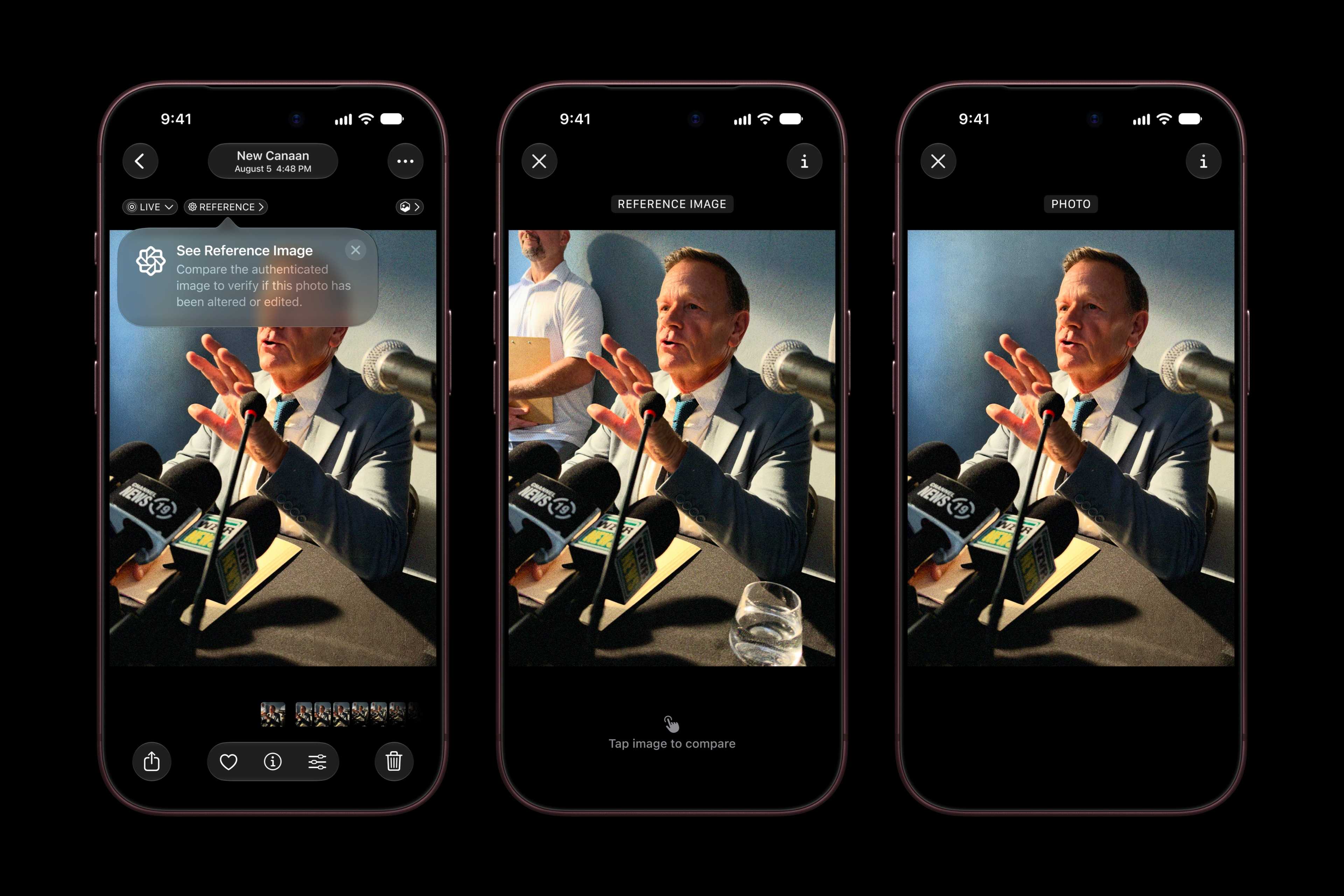
Apple's new Reference Image technology, unveiled alongside the iPhone 18 Pro series, aims to provide a digital alibi for photos. This feature makes image verification an integral part of the capture process, creating a privacy-preserving digital negative that can help verify the authenticity of images. Beyond just being a tool for photographers, Reference Image offers a potential solution for verifying the credibility of images across various fields such as media, business, and personal use.
The technology employs advanced cryptographic methods, ensuring that no alterations can take place, even by quantum-based attacks, providing a quantum-secure defense.
Written by urgent.news from Computerworld's reporting — not their text. Machine-written — may contain errors; check the original before relying on it.