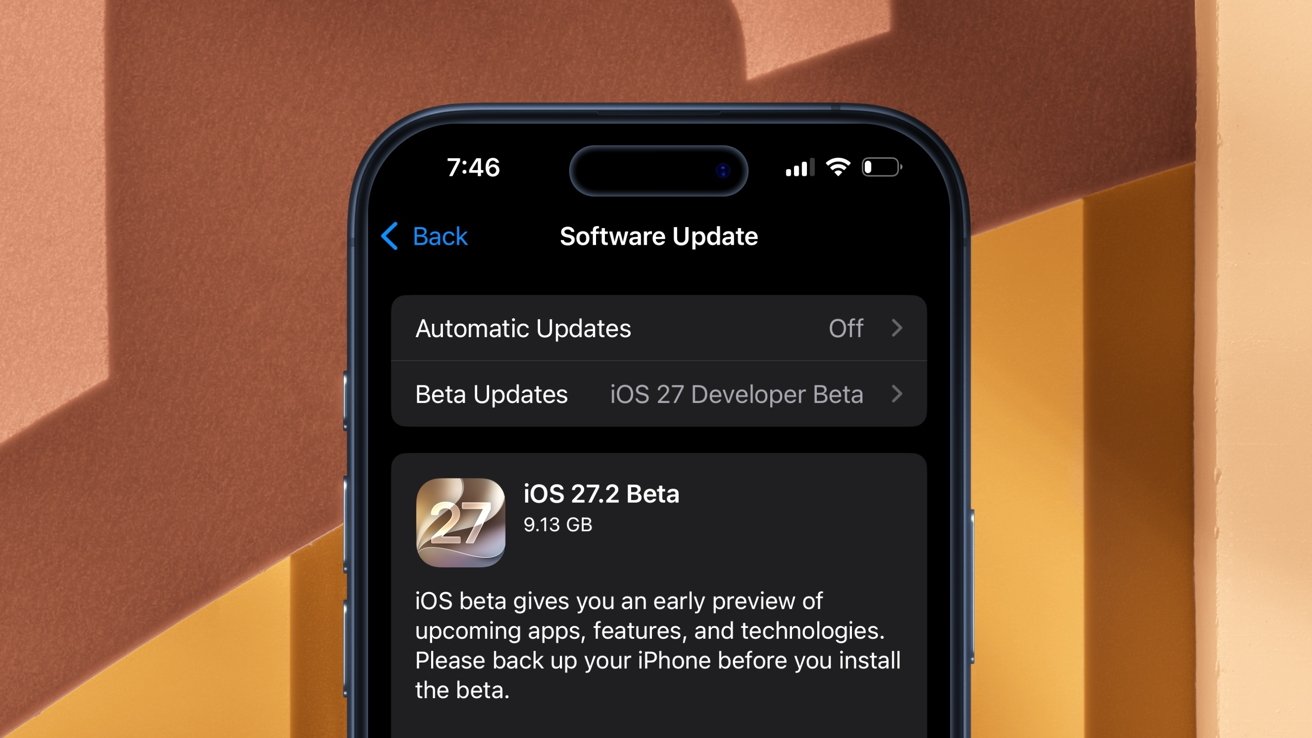
Apple details how the iPhone 18 Pro can cryptographically prove a photo hasn't been faked by AI
When Reference Image is enabled, the camera sensor restarts in a dedicated operating mode. It then signs the pixel data immediately after capture, before the image goes through the usual software-based processing steps. Read Entire Article
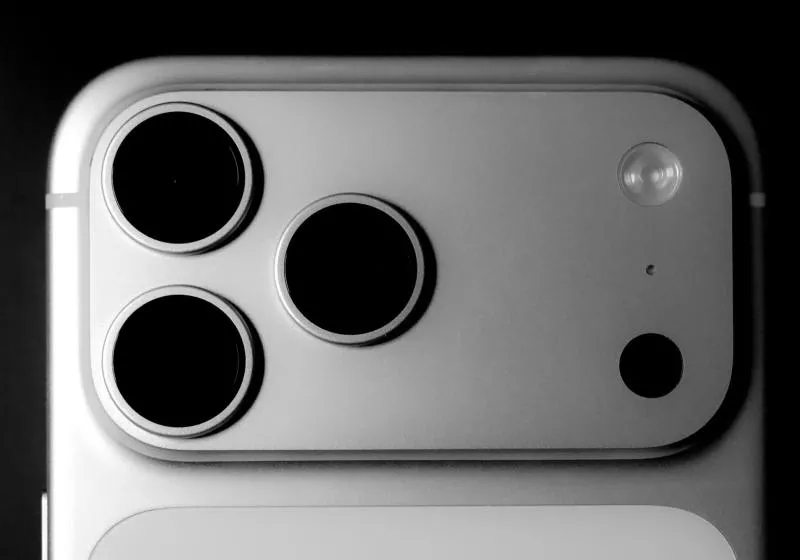
Apple has unveiled a new feature for the iPhone 18 Pro and iPhone 18 Pro Max that creates a cryptographically protected version of photos to verify their authenticity. Called Apple Reference Image, this optional mode captures a signed version of an image immediately after it is taken by the phone's camera sensor, before any software processing occurs. The resulting "secure digital negative" stores pixel data, sensor metadata, and cryptographic timestamps, ensuring the image has not been tampered with or generated by AI.
When the user decides to develop the image, the phone sends the original negative to Apple's Private Cloud Compute system, which authenticates the sensor and Secure Enclave signatures. Apple uses a combination of RSA-3072 and ML-DSA-87, a post-quantum cryptographic algorithm, to create a composite signature for the final JPEG image. This approach aims to maintain the photo's verifiability over time as cryptographic threats evolve.
Apple's Reference Image system also records a range of capture times, rather than relying on a single timestamp from the phone's operating system. The device periodically receives cryptographic time records that provide lower and upper bounds for the capture period, even if the iPhone is offline when the photo is taken. The technology is designed to protect the photographer's identity by not including a public credential linking the image to the camera sensor.
If security issues are detected, Apple can revoke individual images or those associated with a specific sensor without viewing the photo's content.
Written by urgent.news from TechSpot's reporting — not their text. Machine-written — may contain errors; check the original before relying on it.