America’s bedrot era: How the dopamine recession created the ‘couch economy’
New spending data shows how much of the economy now depends on people staying home, and a chase for quick, easy hits of stimulation may be driving it.
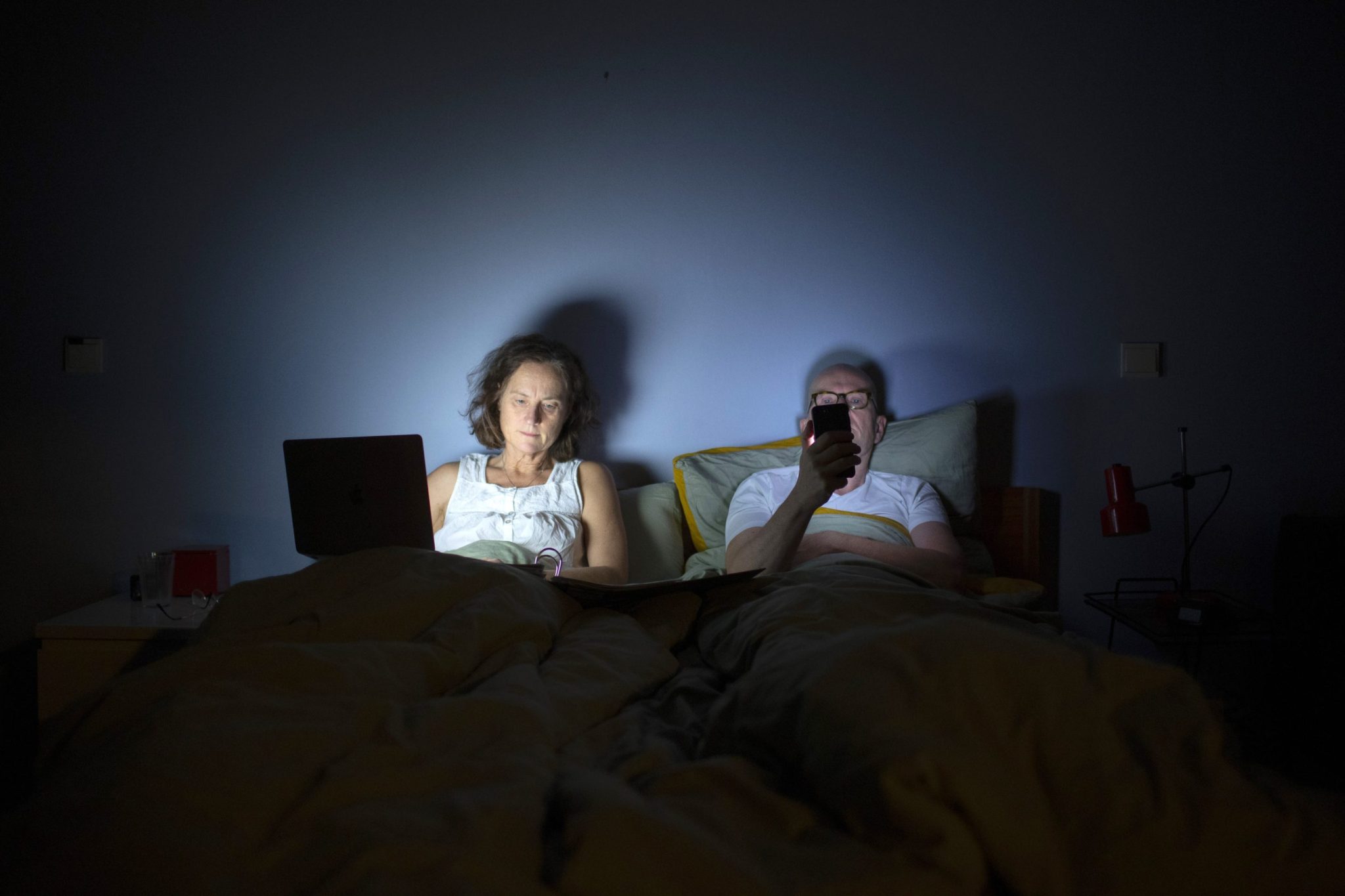
In today's modern economy, convenience reigns supreme as people opt for instant gratification rather than exerting effort. Ordering food delivery, scrolling endlessly through feeds, and making one-tap purchases are just a few examples of this trend, which has led to a phenomenon known as the "dopamine recession." Stanford psychiatrist Anna Lembke explains that the brain processes pleasure and pain in the same area, employing an "opponent-process mechanism" where each hit of pleasure is followed by an equal crash of discomfort or craving.
This cycle of instant rewards and crashes can create a permanent shift in the pleasure-pain balance toward pain, leading to a dependency on rewards to feel normal.
The ease and speed of these rewards have created a cycle that perpetuates demand, often referred to as the "ouroboros." This cycle has significantly impacted spending habits, with online and in-app spending in the U.S. rising from 48% to 58% between 2019 and 2026, according to Visa Business and Economic Insights research. Similar increases have been observed in other countries like the U.K., U.A.E., Poland, Brazil, and Australia.
Streaming subscriptions have also become more popular than cinema and concert spending in every market studied. In the U.A.E., food delivery adoption has grown from 2% of cards to nearly 30% in less than a decade, driven primarily by everyday spenders. Visa refers to this shift in consumer behavior as the "couch economy," emphasizing convenience as the baseline expectation. As a result, businesses that fail to provide convenience risk losing customers to those who do.
Interestingly, the desire for solitude has led to a decline in verbal communication. Americans are now speaking approximately 28% fewer words per day than in 2007, directly attributed to the convenience economy. Researchers have linked this trend to the broader loneliness epidemic, which costs the U.S. economy $406 billion annually in lost productivity and healthcare spending.
The lack of face-to-face interactions has also resulted in a decrease in young adults' interactions with their neighbors, falling from 51% to about one in four in just over a decade.
The consequences of this trend extend beyond mental health, impacting physical well-being as well. With Americans now spending roughly 93% of their lives indoors, physician John La Puma has coined the term "Indoor Epidemic" to describe the adverse effects on brain function, sleep, and chronic disease. The lack of social interaction, combined with the digital age, has led to increased brain fog, poor sleep, and chronic health issues, creating a "captivity biology" scenario.
While phone usage has been a subject of discussion, recent studies suggest that it may not be the primary driver of stress and overload. Instead, "session sparseness" – short, repeated check-ins throughout the day – appears to be a more significant factor. These brief moments of phone use can lead to feelings of overwhelm, as users return to their devices frequently but quickly put them down afterward.
A separate study revealed that the Oxford's 2024 word of the year, "brain rot," directly predicts burnout, which can cascade into stress, anxiety, and depression. Other research has also linked long COVID symptoms, such as brain fog and motivation loss, to measurable physical loss of dopamine-releasing nerve terminals in specific brain regions.
Regardless of the underlying cause, the consequences of this phenomenon are alarming, particularly for those who crave community and connection. As Valeria Pfeiffer, one of the researchers behind the study, notes, "We likely have fewer conversations because we have fewer opportunities to have social interactions" or the ones that we do have may not be as long or intense as they once were, leading to a perceived lack of connection with others.
Written by urgent.news from Fortune's reporting — not their text. Machine-written — may contain errors; check the original before relying on it.