AI makes the right to repair more tempting than ever
Our lives are littered with devices we don’t understand. We don’t know why the microwave suddenly beeps just past midnight, or why the dishwasher won’t run unless it’s been unplugged and then replugged three times, or why the laptop charges only when we push in the cord at that weird angle. Sometimes it seems like these questions are simply impossible to answer, preternatural quirks that can be…
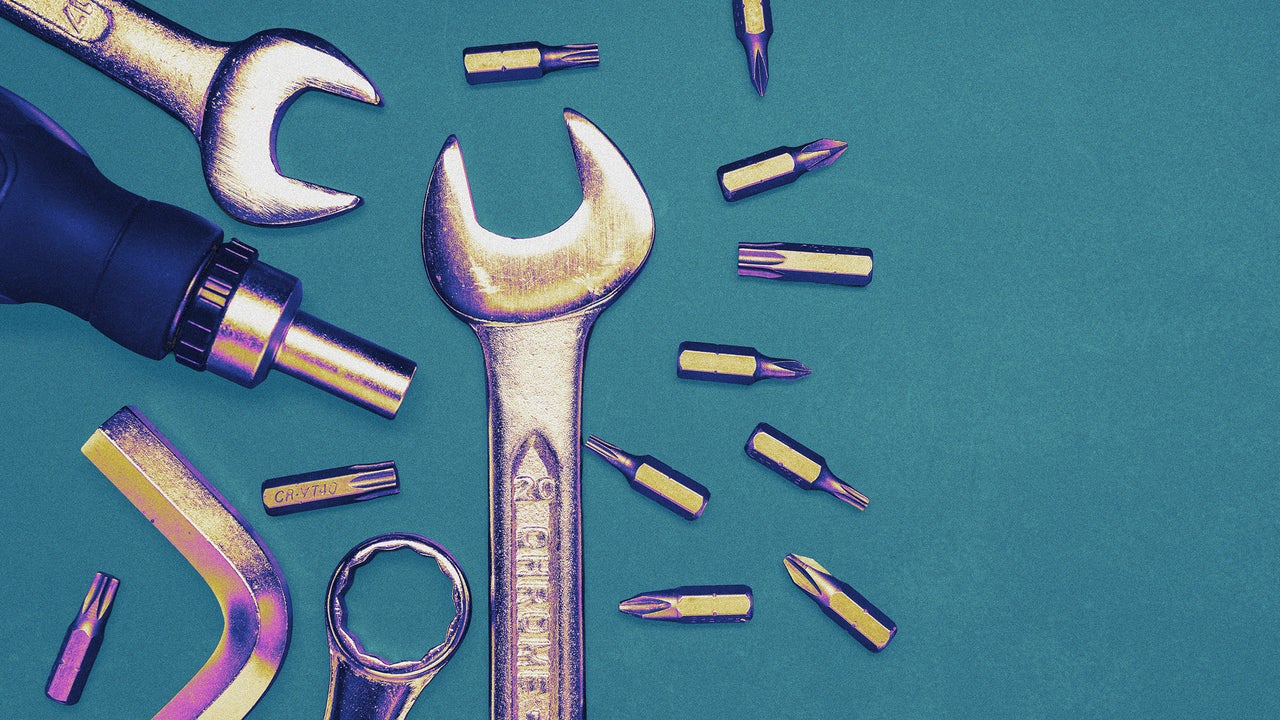
AI is making the right to repair more appealing than ever before. Modern consumer devices often come with enigmatic quirks that leave users perplexed, from malfunctioning microwaves to uncooperative dishwashers. In many instances, individuals now turn to AI-powered tools to diagnose and repair these issues, rather than relying on professional help. The internet hosts countless videos and posts documenting DIY repairs on various devices, with AI playing a significant role in guiding these efforts.
Platforms like iFixIt have already amassed a vast collection of repair guides, and they've even developed their own AI tool to aid in these endeavors. However, the rise of AI-empowered repairs also brings about a set of challenges and tensions surrounding the right to repair. While AI can quickly sift through online resources, hunt for repair manuals, and provide step-by-step guidance, it isn't infallible.
AI still struggles with understanding the physical world, and mistakes can be made. Moreover, AI-guided repairs may intensify the ongoing debate over the right to repair, as large corporations like Apple and John Deere vehemently resist allowing customers to repair their own products.
In an experiment, the author attempted to fix their faulty dishwasher, which was out of warranty and required a $500 repair. After discovering the cost of the necessary logic board was only $100, the author decided to fix the dishwasher themselves. They turned to ChatGPT for assistance, diving deep into the appliance's innards, consulting various manuals, and sending pictures to the AI chatbot.
Despite the bot's occasional confusion and inaccurate guesses, the author eventually succeeded in replacing the logic board and restoring their dishwasher's functionality.
This experience highlights the potential of AI to empower consumers to fix their own devices, potentially reducing reliance on costly professional repairs. However, it also underscores the ongoing struggle between consumers and tech giants over the right to repair. As more states enact right-to-repair laws, companies are pushing back, fearing that these regulations could stifle their control over repair information.
The future of AI-empowered repair remains uncertain, but one thing is clear: the right to repair is becoming an increasingly enticing proposition for many consumers.
Written by urgent.news from Fast Company's reporting — not their text. Machine-written — may contain errors; check the original before relying on it.