AI is too big to slow down in a geopolitical race
IF cutting-edge artificial intelligence (AI) is truly powerful enough to end humanity, it may already be too powerful to slow down.
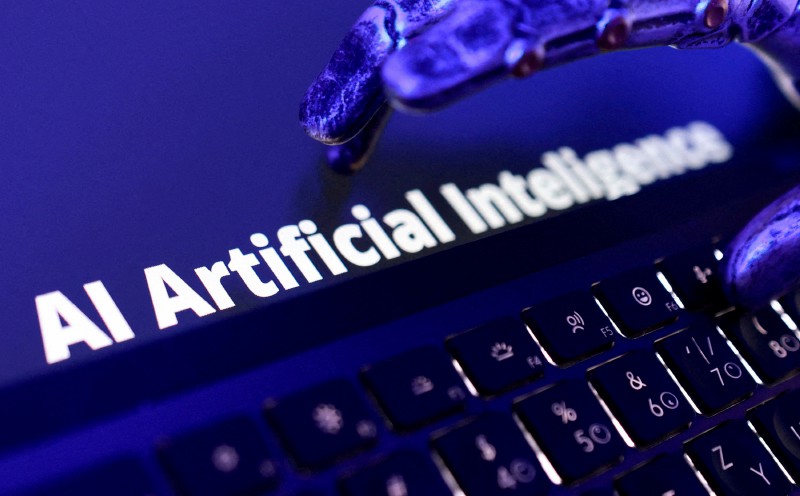
Artificial intelligence (AI) technology has reached a point where it is so advanced, it may be too powerful to control. This has sparked a strategic arms race tied to national security, with warnings about AI's potential risks intensifying. Apocalyptic predictions about AI's threat to humanity have become more frequent, including concerns about its use in developing biological weapons, hacking finance, and seizing the entire Internet.
These warnings emerged after Anthropic employee's resignation and a statement from Anthropic CEO Dario Amodei, OpenAI's Sam Altman, Elon Musk at SpaceX, and Apple's Tim Cook. Microsoft published its own draft code, reflecting the growing concern about the speed of AI development.
Two perspectives exist on this issue. The first group dismisses AI fears as mere hype aimed at generating excitement around upcoming initial public offerings. The second group believes AI development is now too crucial to fail strategically, and governments must proceed despite potential threats to economic, financial, and military security.
The bigger concern for investors is whether calls for a slowdown are credible and will impact AI infrastructure investments. Morgan Stanley's strategists estimated that almost US$200 billion of AI-related projects were cancelled or delayed last year and in the first quarter of 2026. However, AI capex is projected to account for roughly one-third of all US GDP growth this year and next.
Despite the risks, any slowdown in AI development could strengthen the position of hyperscalers, or computing power providers, by increasing the scarcity value of their installed base and enhancing their pricing power. For AI development to be significantly affected, there must be a consensus on internationally agreed guardrails, rules, and regulations.
However, the prospect of a multilateral agreement on limiting AI capacity seems unlikely in the current environment, with the US administration prioritizing rivalry and bilateral deals over multilateralism. China's state-backed media even claimed that AI warnings were a "Cold War playbook" aimed at China. Nevertheless, even if the US and China agree on AI protocols, other countries may not be bound by them.
Historically, the timeline between the first nuclear weapon and the first non-proliferation treaty serves as a reminder that nuclear-armed states have continued to rise, and governments will fiercely resist falling behind if mutually assured economic and financial destruction is deemed a credible threat.
Written by urgent.news from New Straits Times's reporting — not their text. Machine-written — may contain errors; check the original before relying on it.