A politics that looks to the past cannot resonate with youth who look to the future
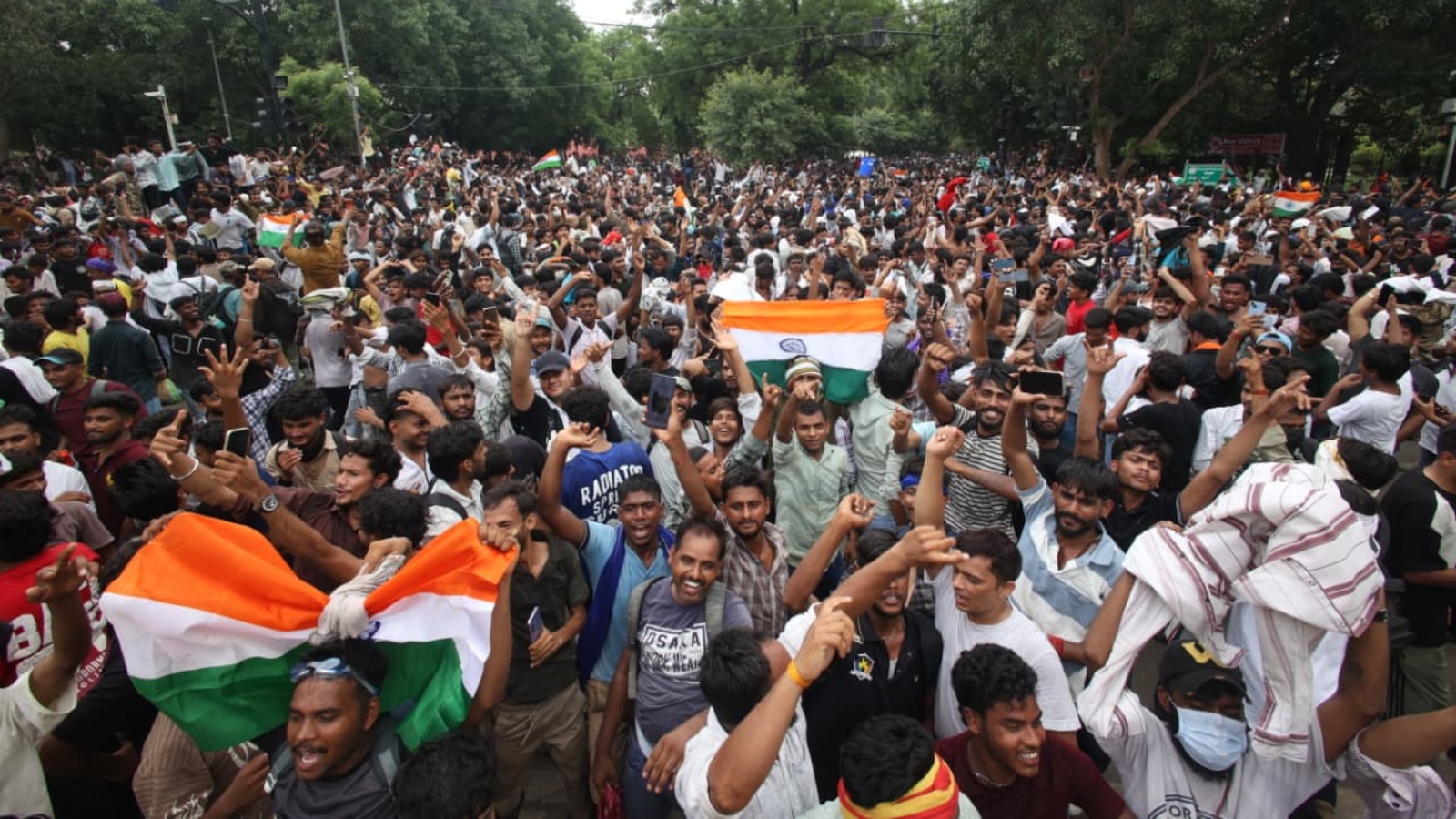
On September 10, 2026, a reporter was preparing for a Zoom discussion with graduate students about "youth, protests and their future." The day marked the 25th anniversary of 9/11, which had occurred 25 years prior. Contrary to expectations, two-thirds of the students opted to hear about the political party "Cockroach Janta Party" instead. This response raised the question of why young people prefer discussing the future rather than the past, particularly the events of 9/11.
The reporter contemplated whether this dissonance between an older political class and a younger generation is the root cause of youth disenchantment with politics. With 60% of Indians having been born after 9/11, the experience of the event is primarily historical for the younger generation. While the older politicians view September 11 as a landmark event, the youth are more concerned about their future and the challenges they face.
Examining recent political developments, the reporter noted that the Mahajan government, with an average age of 65, was amending a 1971 Act to include Vande Mataram, while Parliament, with an average age of 59, was debating the inclusion of a text from the ancient Manusmriti. These instances demonstrate that politics is increasingly focused on the past rather than addressing contemporary issues such as climate change or youth hopelessness.
As the political class ages, they tend to prioritize memory over hope, leading to a stagnation in addressing the needs of a young society. Yale professor Samuel Moyn's book, Gerontocracy in America, highlights this issue, suggesting that aging politics often results in the accumulation of problems rather than their resolution, as the costs of those problems are borne by the younger generations who will outlive the older ones.
The reporter argues that a gerontocratic, past-obsessed politics is the main cause of youth disenchantment with established political norms. This disenchantment is evident in protests and the election of radical outsiders who have no experience in governance. To address this issue, politics must shift from a focus on the past to one that addresses the future and offers solutions to the concerns of the youth.
Written by urgent.news from The Indian Express's reporting — not their text. Machine-written — may contain errors; check the original before relying on it.