60-year-old was raped, murdered in Mohali. DNA clues lead to serial killer
A 60-year-old woman, who had come to Chandigarh for a religious pilgrimage, was brutally raped and murdered in Mohali. The victim, who suffered from Alzheimer's, had been staying with her son in the city. On February 27, 2024, she went missing and her body was found in a jungle area near Government School, Sector 54, the following day.
The postmortem examination revealed that she had been strangled to death and bore multiple blunt force injuries. An FIR was registered under Section 302 of the Indian Penal Code (IPC), but the accused remained unknown until his arrest on May 6, 2024.
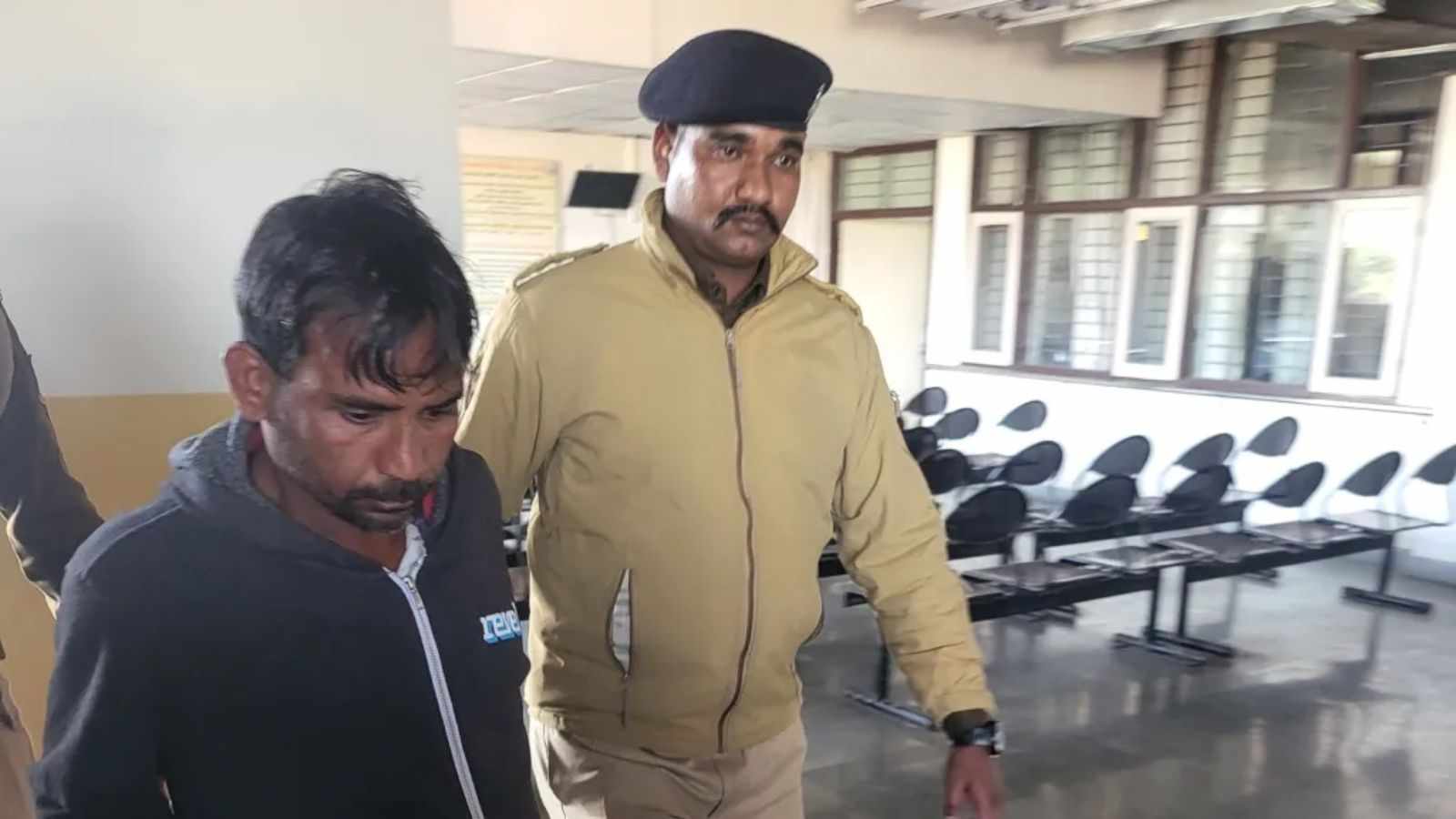
Monu Kumar, a 39-year-old cab driver, was arrested after his clothes were discovered in a jungle area of village Dhanas. His blood sample, collected on May 8, 2024, was compared to biological evidence from the victim's body and clothing. The forensic examination report, completed by Dr. D.S. Yadav, a senior forensic scientist, provided crucial evidence that ultimately led to Monu Kumar's conviction. This arrest also helped police solve two more gruesome murders committed by Monu Kumar in the past 15 years.
The victim's son shared his grief with The Indian Express, describing his mother's absence and expressing his love for her. He spoke of her kindness in preparing meals and serving them with love. The victim's family had waited through investigation, arrest, forensic examination, chargesheet filing, and months-long court proceedings for nearly two and a half years.
Despite being convicted for three cases of rape and murder, the court did not deem it a "rarest of the rare case." Consequently, the court did not consider it necessary to impose the death penalty on Monu Kumar.
Written by urgent.news from The Indian Express's reporting — not their text. Machine-written — may contain errors; check the original before relying on it.