What Washington's tariff push means for Korea's semiconductor industry
U.S. Commerce Secretary Howard Lutnick’s recent comments on semiconductor tariffs were clear: build in America, and you won’t pay. If not, expect to pay to enter what he called “the greatest market in the world.” He also pointed to the administration’s approach to pharmaceuticals as a model, with 100 percent tariffs on patented drugs, followed by 100 percent tariffs on generic drugs after two…
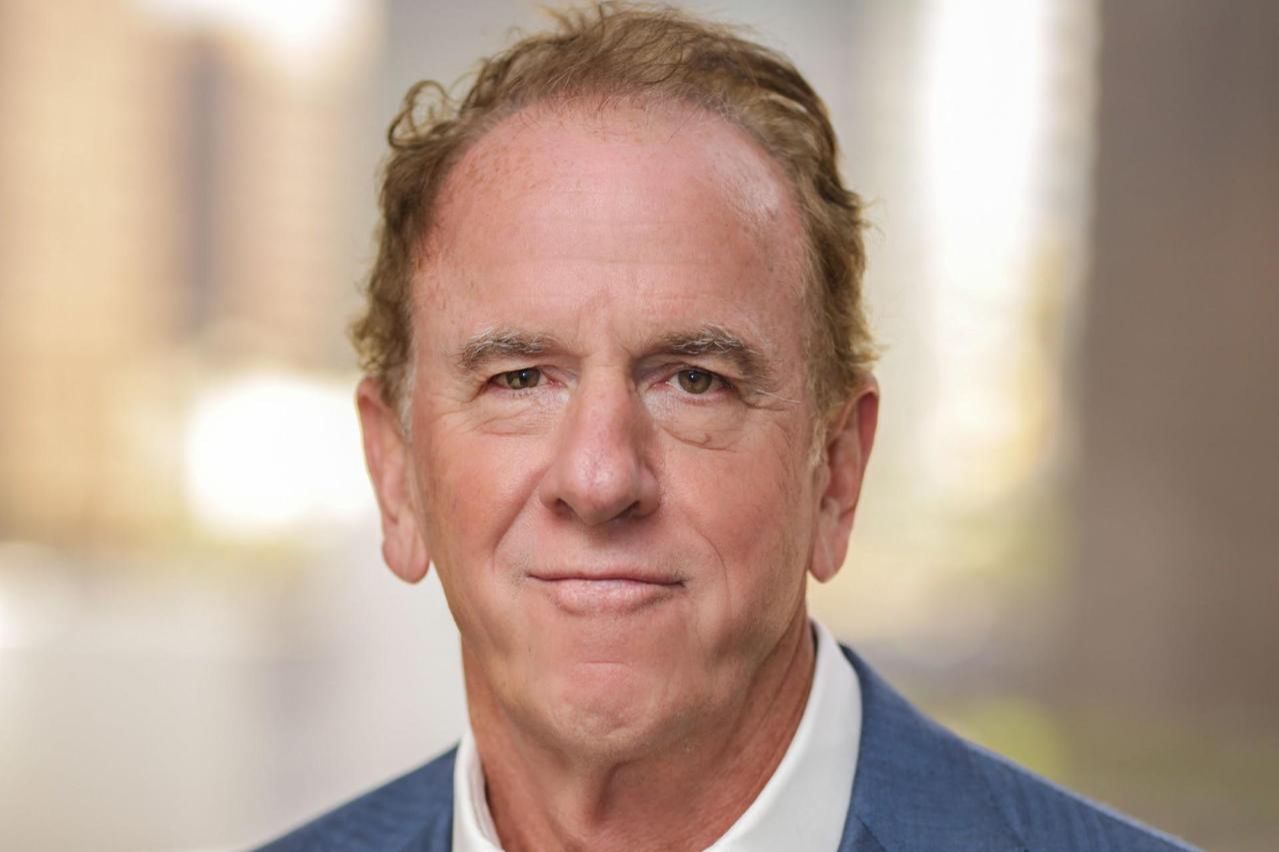
U.S. Commerce Secretary Howard Lutnick has made it clear in recent comments that the strategy to encourage American manufacturing involves imposing tariffs. Specifically for the semiconductor industry, this means a 25% tariff on imports. If companies do not build domestically, they may face additional costs to enter the U.S. market, as stated by Lutnick.
He referenced the administration's approach to pharmaceuticals as a model, where patented drugs face 100% tariffs, followed by an equal tariff on generic drugs after two years, and a 200% tariff after three years.
For Korea, a country known for its semiconductor industry, the question is not about whether the United States plans to use tariffs as leverage, but rather how far the U.S. is willing to go. After four decades of representing businesses in complex commercial disputes, including trade and tariff litigation, the author has witnessed how quickly government commitments can transform into legal issues.
The situation currently facing Samsung, SK Hynix, and Korea's broader semiconductor industry is at risk of escalating in a similar manner.
The 25% tariff on semiconductors is just the beginning for the U.S. The potential for further increases remains, depending on how companies respond to the threat and whether they choose to relocate production to the United States.
Written by urgent.news from The Korea Times's reporting — not their text. Machine-written — may contain errors; check the original before relying on it.