What must happen for AI’s trillion-dollar gamble to pay off
When Jessica Wachter, a finance professor at the University of Pennsylvania’s Wharton School, wanted to assess AI’s impact on the economy over the next few years, she faced a long list of business and technical uncertainties. So she started with what she calls a “remarkable fact” that is not in question: A handful of so-called…
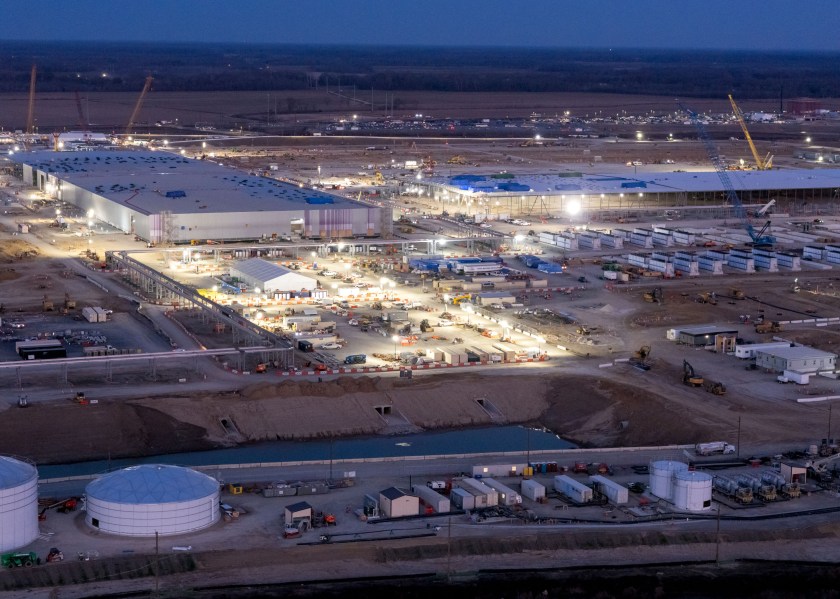
A trillion-dollar gamble is at play as AI companies invest heavily in building AI data centers. Finance professor Jessica Wachter at the University of Pennsylvania’s Wharton School analyzed the situation and found that these hyperscalers need to significantly increase their productivity to justify their spending. To break even by 2030, they must boost productivity by a factor of 2.7, considering the cost of capital, a 15% return, and asset depreciation.
If they fail to meet this goal, the investments could prove to be the largest misallocation of capital in history.
The hyperscalers, including Alphabet, Microsoft, Amazon, Meta, and Oracle, have collectively invested $750 billion this year in AI data centers, with total AI capital investments expected to reach over $5 trillion over the next four years. However, AI revenues are projected to be around $150 billion to $200 billion this year, which is far from sufficient to offset the spending.
Even Alphabet, known for its substantial cash reserves, reported a free cash deficit of $5.9 billion in the latest quarter due to AI infrastructure spending.
The risks of these investments extend beyond the AI industry, as they could impact the overall US economy. If demand for AI products slows or customers turn to cheaper alternatives, it could lead to reduced revenue for the hyperscalers, forcing them to repay borrowed money. Moreover, the increasing debt burden and rising costs of capital will add to the pressure on the companies to generate higher returns.
For AI to pay off, the hyperscalers must not only focus on increasing their earnings but also foster broad economic growth through their innovations. The cost of GPUs, essential components of AI data centers, is expected to double roughly every two years, making it crucial for the data centers to stay competitive by investing in the next generation of chips by the end of the decade.
Otherwise, they risk becoming stranded assets. The success of this trillion-dollar gamble will determine the financial health of the AI companies and the US economy, as the investments could soon account for around 3% of GDP.
Written by urgent.news from MIT Technology Review's reporting — not their text. Machine-written — may contain errors; check the original before relying on it.