Venus May Have Devoured Its Own Moon, Astrophysicists Suggest
Venus's lack of a moon has long puzzled scientists studying the planet closest in size and structure to Earth. A new theory presented this week offers an explanation that sounds almost like science fiction: Venus may have swallowed its own satellite whole. A Case of Celestial Cannibalism According to a study published in The Astrophysical Journal by researchers at the University of California,…
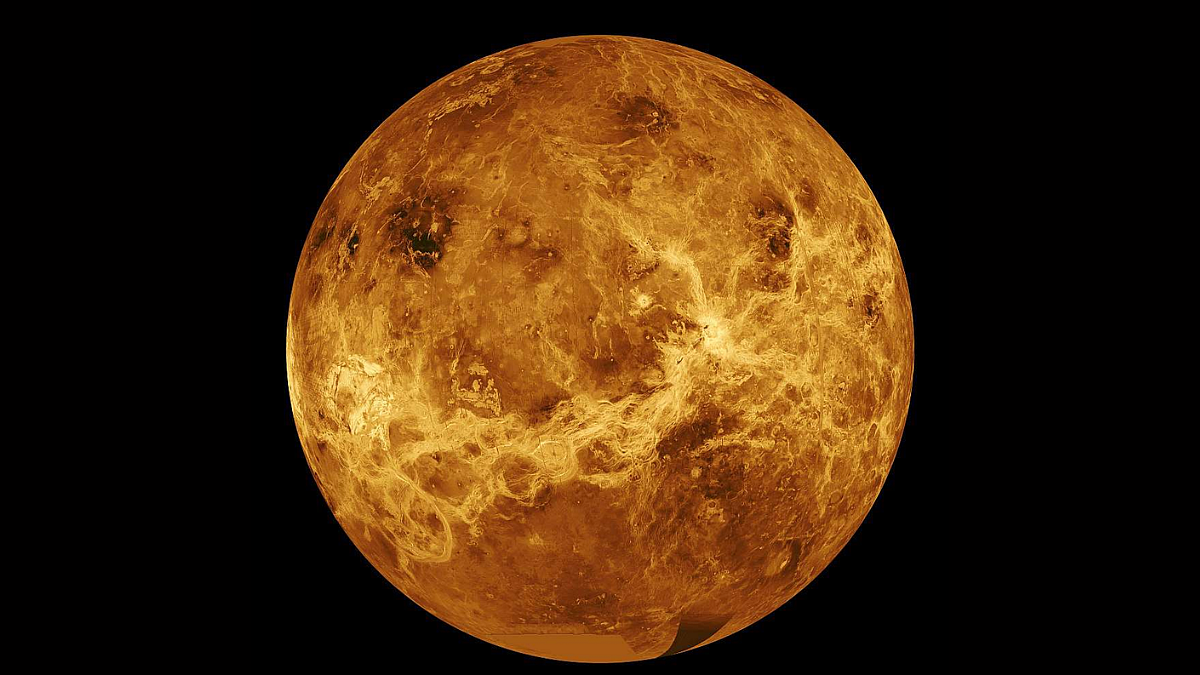
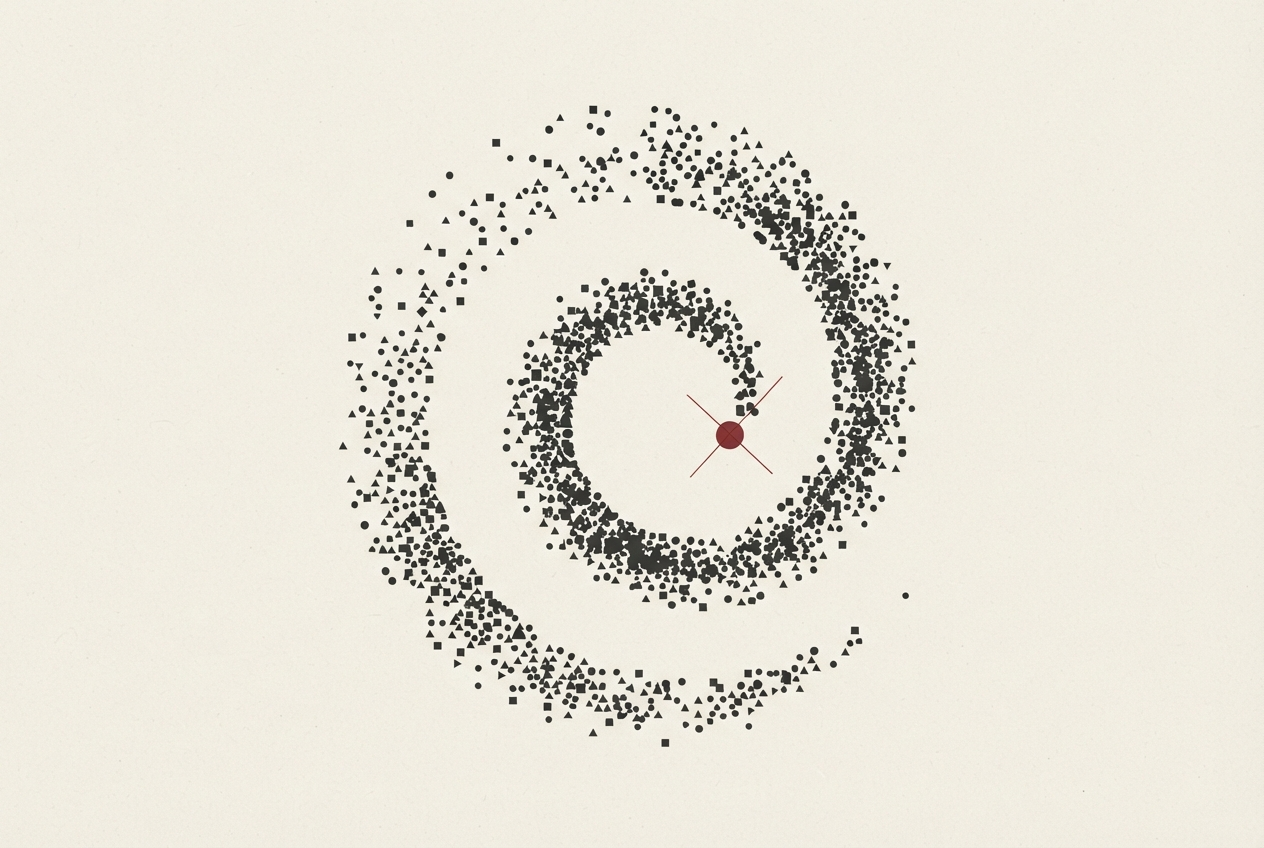
The absence of a moon surrounding Venus has long intrigued scientists studying the planet, closely resembling Earth in size and structure. A recent theory, published in The Astrophysical Journal by researchers at the University of California, Riverside, presents a peculiar explanation: Venus might have consumed its own moon. This concept sounds like science fiction, yet it's grounded in scientific research.
According to Stephen Krane, the study's lead author, a moon orbiting Venus would have been crushed by the planet's slow rotation, doomed to spiral inward and collide with Venus in a short cosmic timeframe. Computer simulations, modeling different sized hypothetical moons, all suggested the same catastrophic outcome - destruction within the solar system's first billion years.
The primary reason Venus couldn't retain a moon, researchers found, lies in the planet's slow rotation. In contrast to Earth's rapid spin of 24 hours, Venus takes 243 Earth days to complete a single rotation, making it significantly slower. This difference in rotational speed creates an opposing effect, pulling any moon closer to the planet rather than allowing it to escape.
This research not only resolves a long-standing planetary mystery but also contributes to broader studies on Venus, often referred to as Earth's twin. Despite sharing similarities in size and rocky composition, Venus today is a hostile world, enveloped in a thick, toxic atmosphere that has triggered a runaway greenhouse effect, causing surface temperatures to reach 880 degrees Fahrenheit (471 degrees Celsius).
Understanding how the two planets diverged could provide valuable insights into Earth's long-term climate future.
Written by urgent.news from Free Press Journal's reporting — not their text. Machine-written — may contain errors; check the original before relying on it.