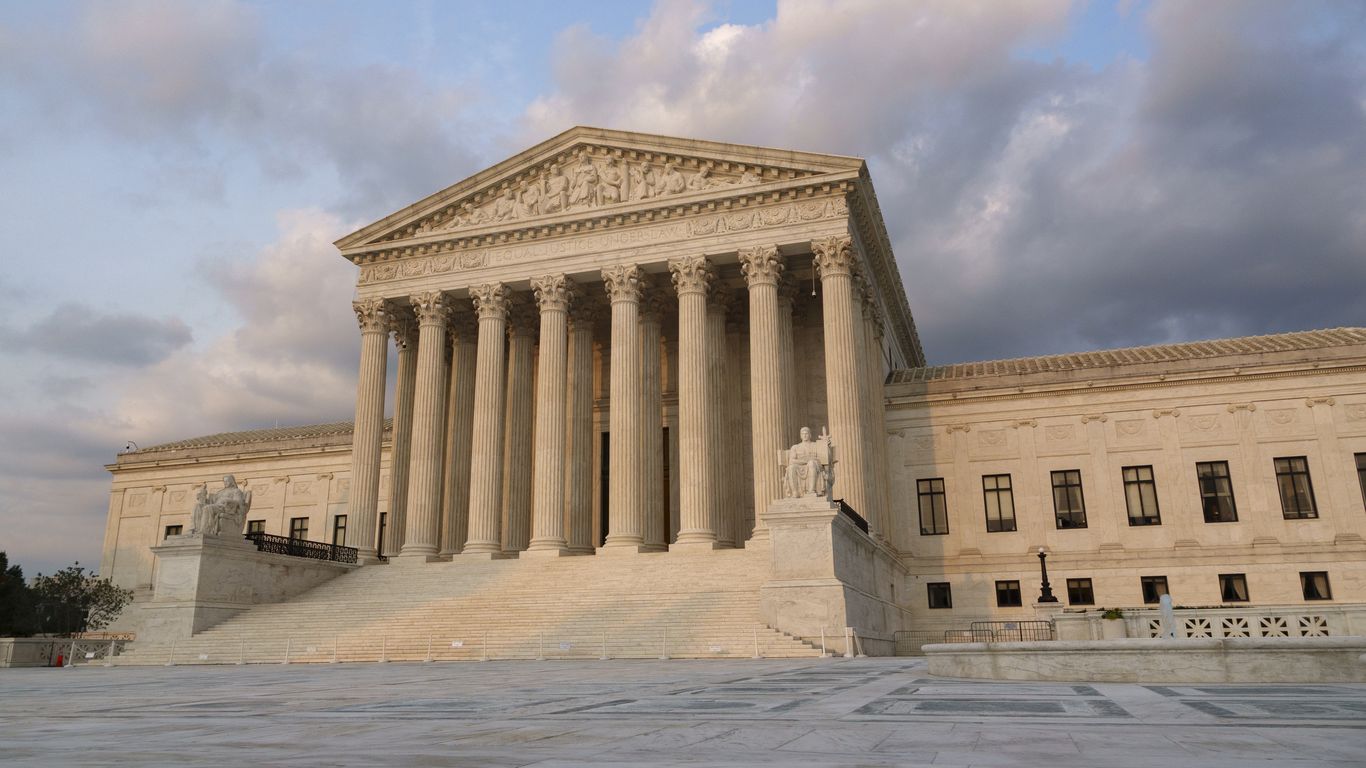
US Supreme Court rejects Trump mail ballot restrictions for midterms
The US Supreme Court on Monday rejected President Donald Trump’s bid to restrict mail ballots for the midterm elections, capping a flurry of last-minute legal action with voting already under way. The decision allows states to continue sending out mail ballots under the same processes they’ve used for years. Justices Samuel Alito and Clarence Thomas publicly dissented from the brief order. The…
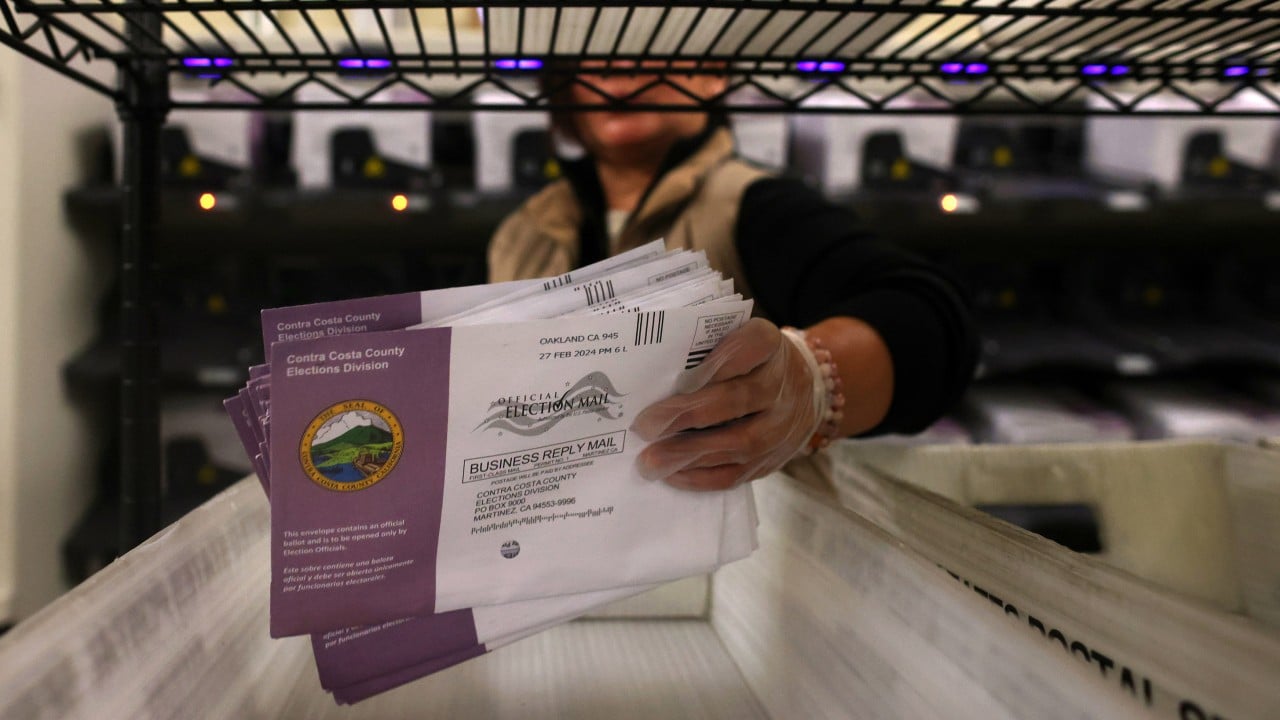
The US Supreme Court has rejected President Donald Trump's attempt to impose restrictions on mail ballots for the upcoming midterm elections. The ruling allows states to continue sending out mail ballots using established procedures. Justices Samuel Alito and Clarence Thomas dissented from the brief order. The Trump administration requested the court to clear the way for restrictions before the crucial November contests to determine control of Congress.
Nearly one-third of the country votes by mail, making the implications of this decision significant.
The majority decision did not elaborate on the court's reasoning, as is customary on the high court's emergency docket. However, Justice Alito argued in his dissent that the Postal Service possesses broad authority to regulate the mail and likely has the power to enforce Trump's restrictions. Justice Brett Kavanaugh agreed that the restrictions should not take effect for the midterms but hinted at potential compliance if the issue were to return before the court.
The plan proposed by the Trump administration would necessitate states to utilize a uniform envelope style and submit lists of eligible voters to an online portal. If the postal system refused to deliver ballots to states that did not comply, it could result in millions of mail ballots being sent, as a whistle-blower report indicated the portal was not properly built, and a single bar code error could cause an entire batch of ballots to be discarded.
Democratic state officials and voting rights groups challenged the restrictions in court, contending that the president lacks constitutional authority to set election rules that would "virtually eliminate mail voting on the eve of a major election." Lower courts agreed and issued preliminary injunctions blocking Trump's plan. However, the Trump administration appealed to the Supreme Court, arguing that federal control of the Postal Service permits them to set rules for mail ballot handling and that compliance was feasible.
While the federal government secured an early procedural victory at the Supreme Court, the justices did not decide the constitutionality of the plan. Throughout his tenure, Trump has opposed mail voting and falsely attributed his 2020 election loss to Joe Biden to mail voting, despite often utilizing that method himself, including in recent elections.
Written by urgent.news from South China Morning Post's reporting — not their text. Machine-written — may contain errors; check the original before relying on it.
This story
This is one outlet's version. Read the fullest account.
- Supreme Court strikes down USPS mail-in voting rule axios.com
- US Supreme Court deals blow to Trump’s mail-in voting restrictions ahead of midterms malaymail.com
- Supreme Court won’t restore Trump’s mail-in voting plan for midterms thehill.com
- Supreme Court rejects Trump mail ballot restrictions for now cbsnews.com
- US Supreme Court denies Trump bid to restrict mail-in ballots dw.com
- The Supreme Court rejects Trump's mail voting restrictions for this year's midterms npr.org
- Supreme Court deals Trump a blow, blocks new mail ballot restrictions ahead of midterms hindustantimes.com
- Supreme Court rejects Trump administration's attempt to restrict mail-in voting abcnews.com