US solar capacity reaches milestone, enough to power 50 million homes
The United States has installed enough solar capacity to power more than 50 million homes, an industry milestone that underscores the rapid expansion of renewable energy even as new tariffs, permitting barriers and policy uncertainty threaten future growth. The Solar Energy Industries Association, or SEIA, highlighted the achievement in a recent social-media post, citing its latest Solar Market…
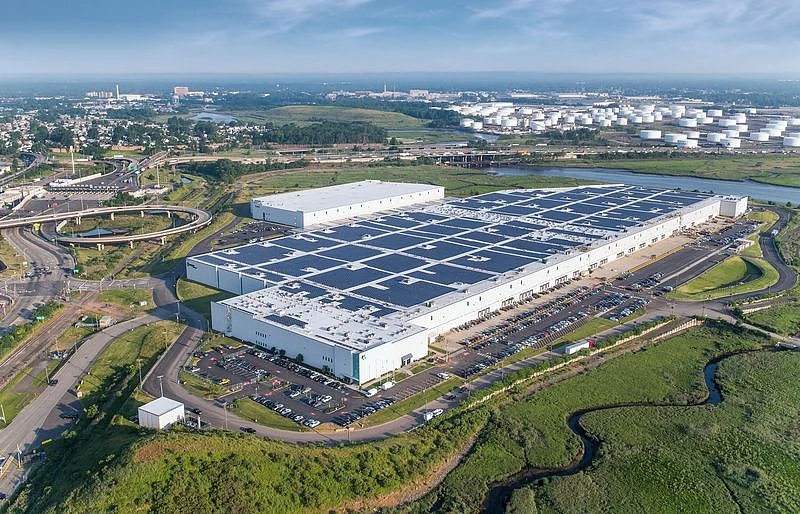
The United States has installed enough solar capacity to power over 50 million homes, marking a significant milestone in the expansion of renewable energy. This achievement was highlighted by the Solar Energy Industries Association (SEIA) in a recent social media post, citing data from Wood Mackenzie in their latest Solar Market Insight report.
In the second quarter of 2026, US developers added 11.4 gigawatts (GW) of direct-current (DC) solar capacity, a 45% increase from the previous year and 43% more than in the first quarter of 2026.
Utility-scale projects accounted for the majority of this growth, with 9.6 GW added during the quarter. Commercial installations also saw an increase, although residential solar installations declined by 10% from the first quarter to 995 megawatts. Utility-scale projects have become an economic development issue across both Republican and Democratic-leaning states, with those that supported President Donald Trump in the 2024 election accounting for 71% of the new solar capacity in the quarter.
Despite the milestone, the industry faces challenges such as new trade barriers imposed by the US Commerce Department on solar cells and panels imported from India, Indonesia, and Laos. These tariffs, if finalized by the US International Trade Commission in October 2026, could slow deployment and complicate efforts to build a more diversified supply chain. The industry is also dealing with transmission constraints, lengthy permitting processes, and the possibility of a "tax-credit cliff."
The growth in solar capacity is occurring as US electricity demand rises due to factors such as data centers, AI computing, manufacturing investment, and the electrification of vehicles. While reaching the next 50 million homes will depend on more than just panels, the solar buildout is becoming a major pillar of America's power system, even as its policy future grows more uncertain.
Written by urgent.news from Gulf News's reporting — not their text. Machine-written — may contain errors; check the original before relying on it.