US-Kongress: Iran-Krieg kostet die USA bereits 38 Milliarden Dollar
Nach Berechnungen des US-Haushaltsbüros könnte jeder weitere Kriegsmonat bis zu drei Milliarden Dollar kosten. Zugleich treibt der Konflikt die Inflation und belastet die Raketenbestände.
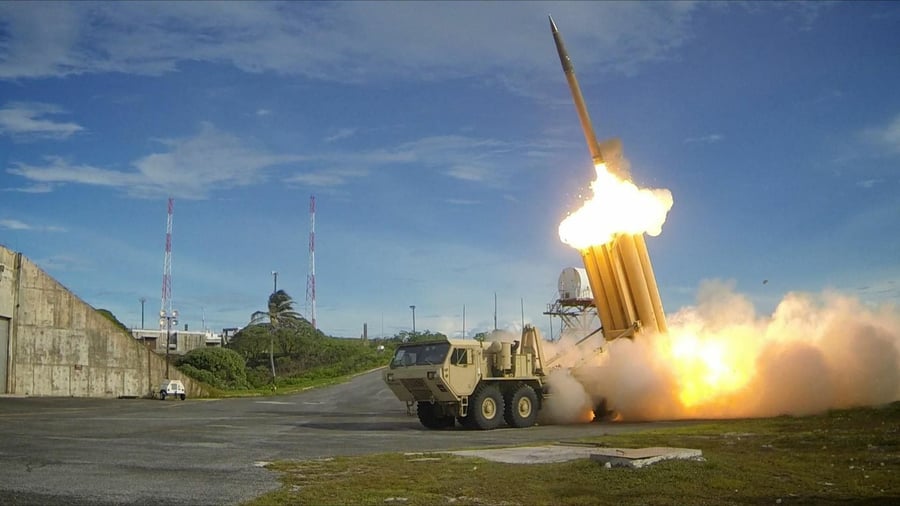
The US war in Iran has already cost $38.1 billion in the first five months, according to the bipartisan Congressional Budget Office (CBO) study. The figure includes expenses for replacing fired ammunition and destroyed equipment, as well as increased spending on flight operations and fuel. The CBO report, shared with Congressman Brendan Boyle from Pennsylvania, aligns with Defense Secretary Pete Hegseth's earlier estimate of $37.5 billion in war costs.
Each additional month of the conflict could cost at least $2-3 billion, with higher expenditures possible in case of further escalation. The study predicts that the war will contribute to higher inflation in the US, with the annual inflation rate expected to be 0.5 percentage points higher than previously anticipated by early 2027.
This would mainly be due to higher energy costs that raise prices for goods and services, particularly caused by disruptions in oil and gas deliveries via the Strait of Hormuz. The war has significantly eroded the US military's munitions reserves, potentially requiring five years or more to replenish them. This could weaken the military's ability to respond to another major conflict, especially if it escalates into a confrontation with a rival possessing numerous ballistic missiles and cruise missiles, such as China and Taiwan.
The report comes as the House debates a bill to limit President Trump's war powers, marking the 18th attempt this year to curb presidential authority. Democrats have criticized the high spending, arguing that Republicans previously claimed there was a lack of funds for American families at home while authorizing massive expenditures for a risky war.
Trump had stated in early March that the war was "all but over," but later admitted it could continue beyond the November congressional elections. Some of his top advisers even suggested it might last until the end of his presidency, according to a report by the Wall Street Journal. Former Secretary of State Antony Blinken sees a diplomatic agreement with Iran as the clear path out of the conflict, but warns Trump faces a dilemma: he may need to make concessions to Iran to secure an agreement, risking an appearance of defeat.
Written by urgent.news from Handelsblatt's reporting — not their text. Machine-written — may contain errors; check the original before relying on it.