UPI Payments Above Rs 2,000 Face 0.4% MDR, Know- Who Will Actually Pay?
New Delhi: UPI payments above Rs 2,000 will attract charges of up to 0.4 percent from October 15, 2026, under a revised Merchant Discount Rate framework announced by the National Payments Corporation of India. However, consumers will not pay the levy. New Framework Begins The MDR will apply only to specified Person-to-Merchant transactions exceeding Rs 2,000. The charge will be capped at Rs 300…
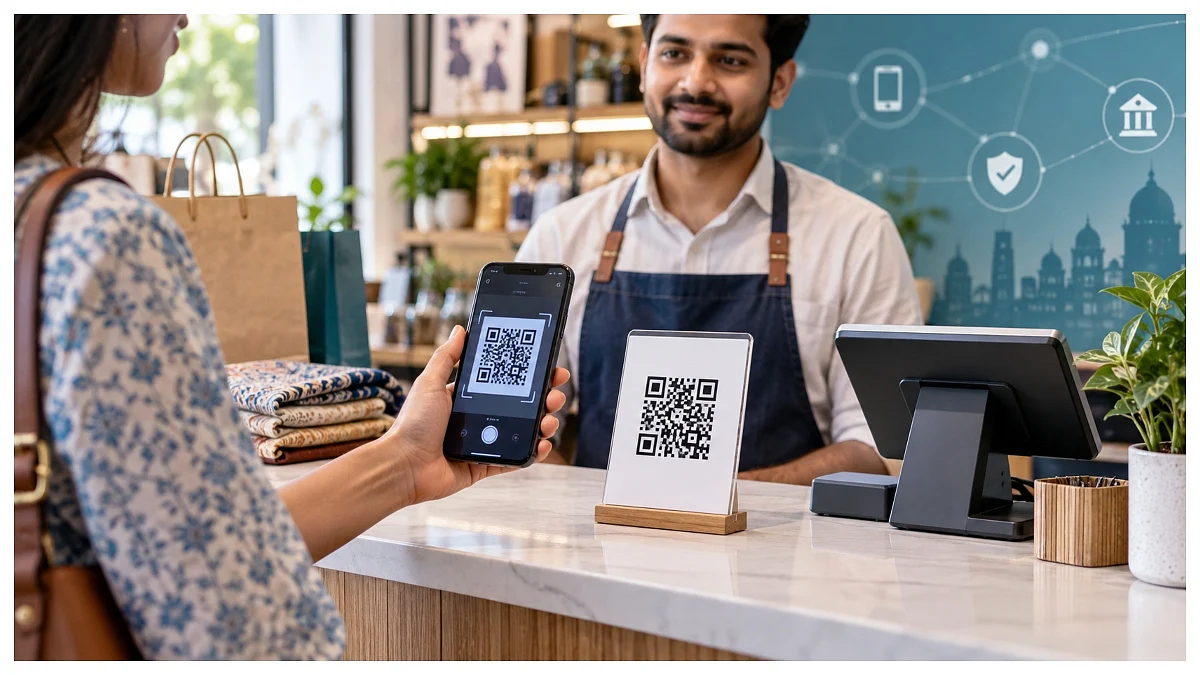
Effective October 15, 2026, UPI payments exceeding Rs 2,000 will incur a Merchant Discount Rate (MDR) of up to 0.4 percent, according to a revised framework announced by the National Payments Corporation of India (NPCI). However, consumers will not be responsible for paying this charge. The MDR applies solely to specific Person-to-Merchant transactions surpassing Rs 2,000, with each transaction capped at Rs 300 in fees.
Certain categories, such as railways, telecom services, insurance, and fuel, will instead face a flat MDR of Rs 5 on UPI payments above Rs 2,000. NPCI has assured that UPI will remain free for customers, with person-to-person transfers remaining charge-free. Additionally, merchant payments up to Rs 2,000 will not be subject to MDR.
Over 95 percent of low-value UPI person-to-merchant transactions are expected to remain exempt from the new charges, ensuring that everyday digital payments remain unaffected. This change aims to shield small merchants, including those in the unorganised retail sector, from additional payment costs by maintaining zero MDR for those merchants receiving up to Rs 1 lakh monthly via UPI QR payments.
The revised framework also proposes a dedicated fund to expand UPI acceptance among small merchants, particularly in existing networks and Tier-3 cities, and to bolster payment infrastructure, operational resilience, cybersecurity, and innovation. The revenue generated from MDR on qualifying higher-value transactions will be distributed among stakeholders within the UPI ecosystem, creating a sustainable funding source for payment providers without compromising UPI's widespread adoption.
Written by urgent.news from Free Press Journal's reporting — not their text. Machine-written — may contain errors; check the original before relying on it.