Uniform Civil Code: Easier Aaid Than Done
Union Home Minister Amit Shah’s announcement that all 21 NDA-ruled states will have a Uniform Civil Code (UCC) before the next Lok Sabha election should not come as a surprise. What is significant is not the announcement itself, but the route the BJP appears to have chosen. Uttarakhand became the first state to bring a UCC into force. Gujarat, Assam, and several other BJP-ruled states have taken…
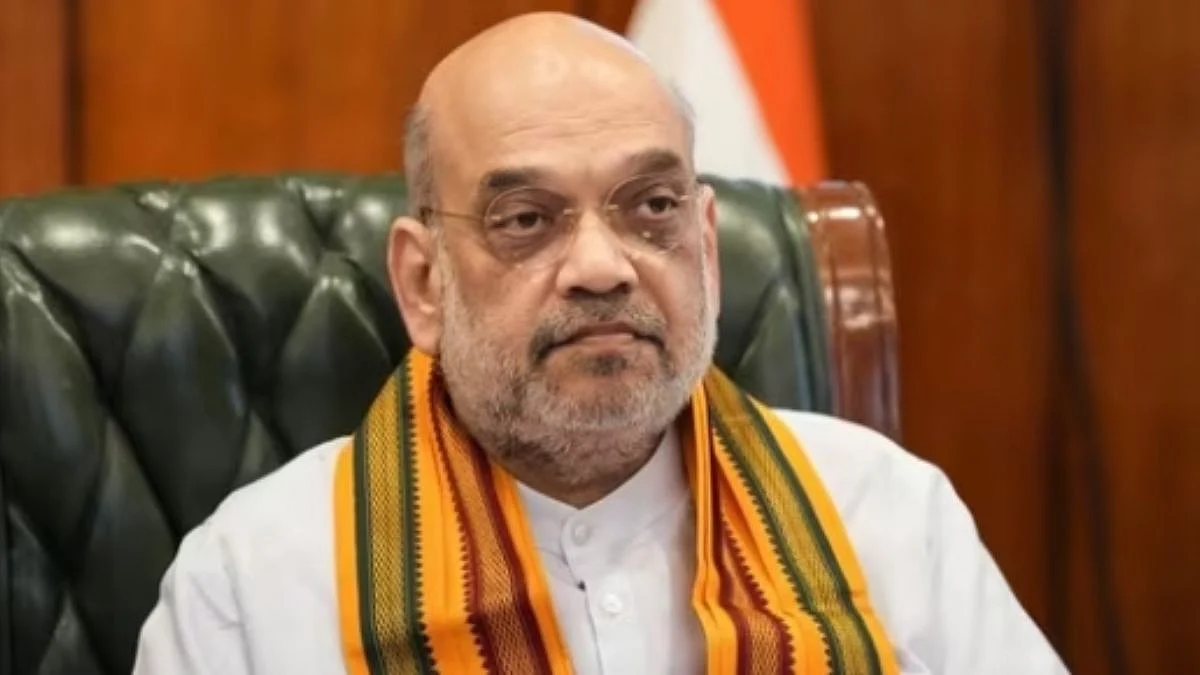
Union Home Minister Amit Shah's announcement that all 21 NDA-ruled states would enforce a Uniform Civil Code (UCC) before the next Lok Sabha election came as no surprise. The significance lies in the method chosen by the BJP. Uttarakhand became the first state to implement a UCC, with Gujarat, Assam, and several other BJP-ruled states following suit. This implies that the party may not anticipate, or desire, a single Central law.
Enacting a nationwide UCC through Parliament is easier to announce than to realize. It would necessitate a constitutional amendment, passing through both Houses of Parliament and garnering support from state legislatures. Drafting a law acceptable to India's vast diversity would be a daunting task. Tribal areas present additional complications.
The Constitution offers safeguards for tribal communities with distinct customary laws and traditions. Implementing a uniform law that disregards these protections could face legal and political backlash.
The BJP might have discovered a politically advantageous route. Individual states can enact their own versions of a UCC, considering local circumstances. This approach is reminiscent of the proliferation of anti-conversion laws. It's also crucial to note that elements of uniformity in civil life are already in place. Births, deaths, and marriages must be registered, and laws regarding dowry and women's rights in property apply irrespective of religion. The question remains: what additional uniformity is desired, and is it truly necessary?
Goa's approach, often cited as a UCC example, is not a flawless model. Inherited from Portuguese rule, it permits a Hindu man, under certain conditions, to have a second wife if there is no child from the first marriage. Other complexities exist. Hindu undivided families enjoy tax benefits not available to followers of other religions. A truly uniform civil code would need to address such anomalies as well.
The risk is that a complex legal and social reform question could be simplified into a political slogan. While a uniform civil code can be a legitimate constitutional goal, it should not be used for political mobilization or to assert majoritarian views. A law impacting marriage, family, inheritance, and personal rights should unite citizens, not create another faultline in an already diverse society.
Written by urgent.news from Free Press Journal's reporting — not their text. Machine-written — may contain errors; check the original before relying on it.