Underwater solar power sounds impossible, these new perovskite cells make it work anyway
A newly published study describes a "robust" strategy for reliably generating power underwater. Several Chinese researchers developed a new type of submerged perovskite solar cell that can operate a few meters below sea level and harvest solar energy for years while retaining high efficiency. Read Entire Article
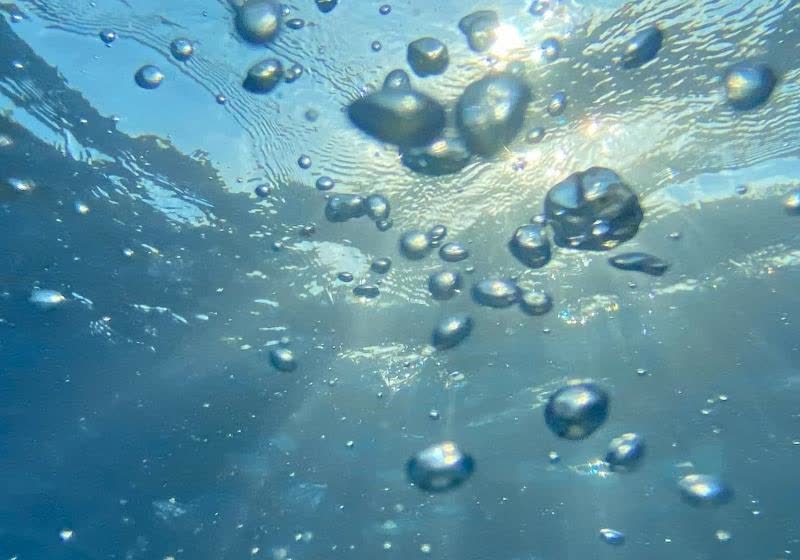
Chinese scientists have devised a groundbreaking method to harness solar power even in underwater environments, a development that defies conventional wisdom. The researchers employed perovskite solar cells, a unique class of materials capable of generating electricity from low-intensity sunlight, even at considerable depths. In their recent study, the team developed a method to make these cells endure underwater conditions, which yielded remarkable results in terms of efficiency and durability.
Perovskite cells, which were initially discovered beneath the Ural Mountains in Russia, are renowned for their versatility, finding applications in ultrasound machines, memory chips, solar cells, and more. However, they often suffer from rapid degradation when exposed to moisture. To counteract this, the Chinese researchers adjusted the chemical composition of the perovskite cells, crafting a compound that could absorb the weaker wavelengths of light present on the seafloor and resist degradation in seawater. They further protected the cells with a water-repellent layer to minimize moisture-related damage.
To demonstrate the effectiveness of their innovation, the researchers initially tested the material at a simulated depth of 10 meters, where the perovskite cells managed to convert approximately 35% of the dim light into electricity. This figure is significantly higher than the efficiency of silicon-based solar panels, which typically convert around 20% of surface sunlight. The cells demonstrated exceptional resilience, retaining most of their original efficiency for over five years in laboratory tests.
Subsequent field tests in the South China Sea further validated the robustness of the perovskite cells. Mounted on a specialized submarine device designed to maintain a consistent depth, the cells were tested at varying depths of 2 meters, 6 meters, and 10 meters below sea level. While power generation fluctuated noticeably at the shallower depths, the panel's efficiency became more consistent as it descended deeper.
At a depth of 10 meters, the panel managed to generate less than a quarter of the electricity it produced at a mere 8 meters above the seabed. Despite the challenging underwater conditions and low-light environment, the researchers are optimistic that their perovskite cells could eventually revolutionize underwater solar power generation.
They propose several potential applications, such as autonomous marine power systems and submerged Internet of Things infrastructure, underscoring the transformative potential of this novel solar technology.
Written by urgent.news from TechSpot's reporting — not their text. Machine-written — may contain errors; check the original before relying on it.
This story
This is one outlet's version. Read the fullest account.
- New Solar Cells Can Generate Power Underwater propakistani.pk