Three ways the Iran war changed the global economy
The effects of the Iran war are obvious to most Americans: Gas prices have been hovering above $4 for weeks, mortgage rates are rising toward seven percent and companies are adding shipping surcharges to make up for record diesel costs. Those cost-of-living increases have lasted longer than the Trump administration had claimed they would, although … The post Three ways the Iran war changed the…
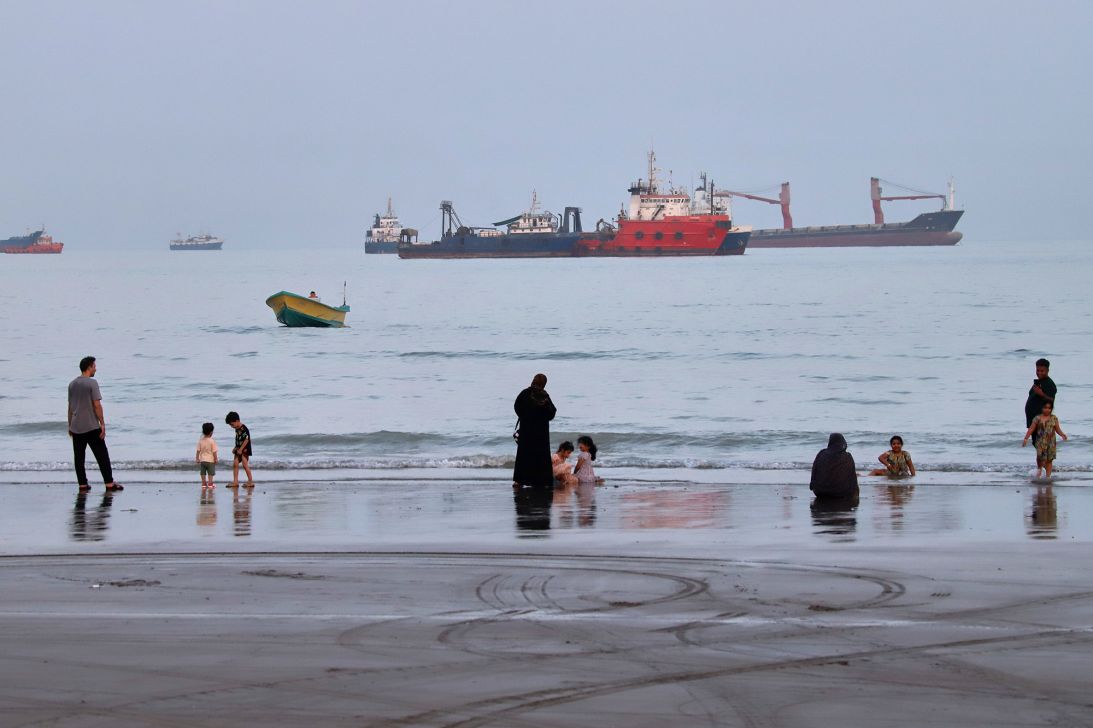
The Iran war has had a profound impact on the global economy, with three lasting effects shaping the way the world conducts business. Firstly, the conflict altered the dynamics of the Strait of Hormuz, a strategic waterway controlling approximately 20% of the world's oil supply. After the United States and Israel targeted Iran in late February, Iran declared the strait as a closed passage, effectively halting 13 million barrels of oil from flowing into the global market.
In May, Iran transitioned from attempting to blockade the strait to regulating its use by instituting a Persian Gulf Strait Authority that required ships to register, follow designated paths, and pay tolls for passage. Despite Iran withdrawing from a memorandum of understanding with the US, the US military continued escorting nighttime transits to protect oil shipments.
This shift demonstrates Iran's growing influence over the strait, forcing countries reliant on Middle Eastern crude to adapt their strategies.
Secondly, China emerged as a dominant force in the oil market during the Iran war. Despite lacking significant oil production capabilities, China's heavy reliance on pre-war stockpiles reduced its crude imports by approximately 5 million barrels per day. This strategic maneuver allowed China to reduce its demand for imported oil, exerting considerable influence on global oil prices. While China's demand is expected to rebound as it refills its reserves, certain behavioral changes may prove to be permanent.
Lastly, the Iran war has resulted in a new precedent for international waterway management, specifically regarding the Strait of Hormuz. As the conflict's resolution approaches, the possibility of Iran charging tolls for passage through the strait looms large. This development could potentially set a precedent for other countries to enforce similar fees for using international waterways, a practice currently permitted by the United Nations for navigational safety and security purposes.
If Iran embraces a fee structure similar to Turkey's charges for the Turkish Straits, the price of oil could increase by approximately $1 per barrel, resulting in an additional $260,000 charge for a large crude carrier undergoing a round-trip transit.
Written by urgent.news from Egypt Independent's reporting — not their text. Machine-written — may contain errors; check the original before relying on it.