'The violence leaves a mark': How satellites are helping the world monitor war and atrocities
A satellite's view from above fills the gaps in our understanding of the grim realities of war and makes it harder for totalitarian regimes to hide their crimes. But challenges exist.
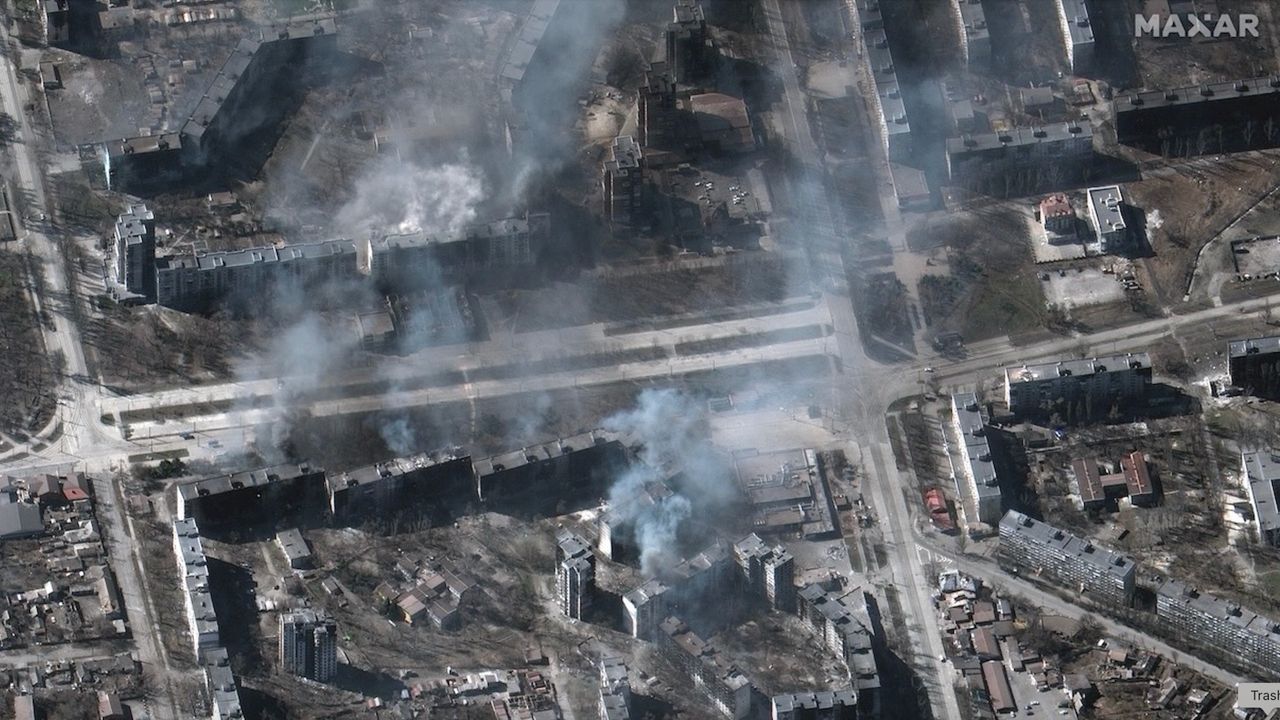
For decades, researchers have relied on news reports and oral testimonies to monitor armed conflict worldwide. However, these methods have limitations. A new study suggests that satellite imagery could fill the gaps in understanding the grim realities of war. In 2017, the Myanmar Army killed several hundred Muslim Rohingya civilians in the village of Chut Pyin.
Satellite data later confirmed that houses in the predominantly Rohingya neighborhood were burned down by the military, providing undeniable proof of the ethnic minority's targeted attack. Valuable datasets on wars around the world exist, but they are based mostly on media reports that may have biases and focus on specific types of violence.
Satellites, on the other hand, offer a broad sweep over vast areas and revisit locations repeatedly, revealing patterns and trends that may otherwise go unnoticed. Researchers are now developing methods to integrate satellite observations into conflict research, creating automated image analysis pipelines to generate early warnings.
This would allow for faster responses to conflicts, such as providing early warnings about ethnic cleansing in Myanmar. Totalitarian governments can prevent information about atrocities from reaching the world, but satellites cannot be fooled. With onboard AI image processing, satellites may soon autonomously detect and beam significant images back to Earth, addressing limitations in coverage and retrospective data availability.
However, concerns remain about governments restricting access to satellite images, which could reintroduce the same biases as news reporting.
Written by urgent.news from Space.com's reporting — not their text. Machine-written — may contain errors; check the original before relying on it.