The US and China are hurtling toward Kissinger’s worst AI nightmare
In 2023, diplomat warned that the US and China had five to 10 years to avoid an AI disaster. The clock is ticking.
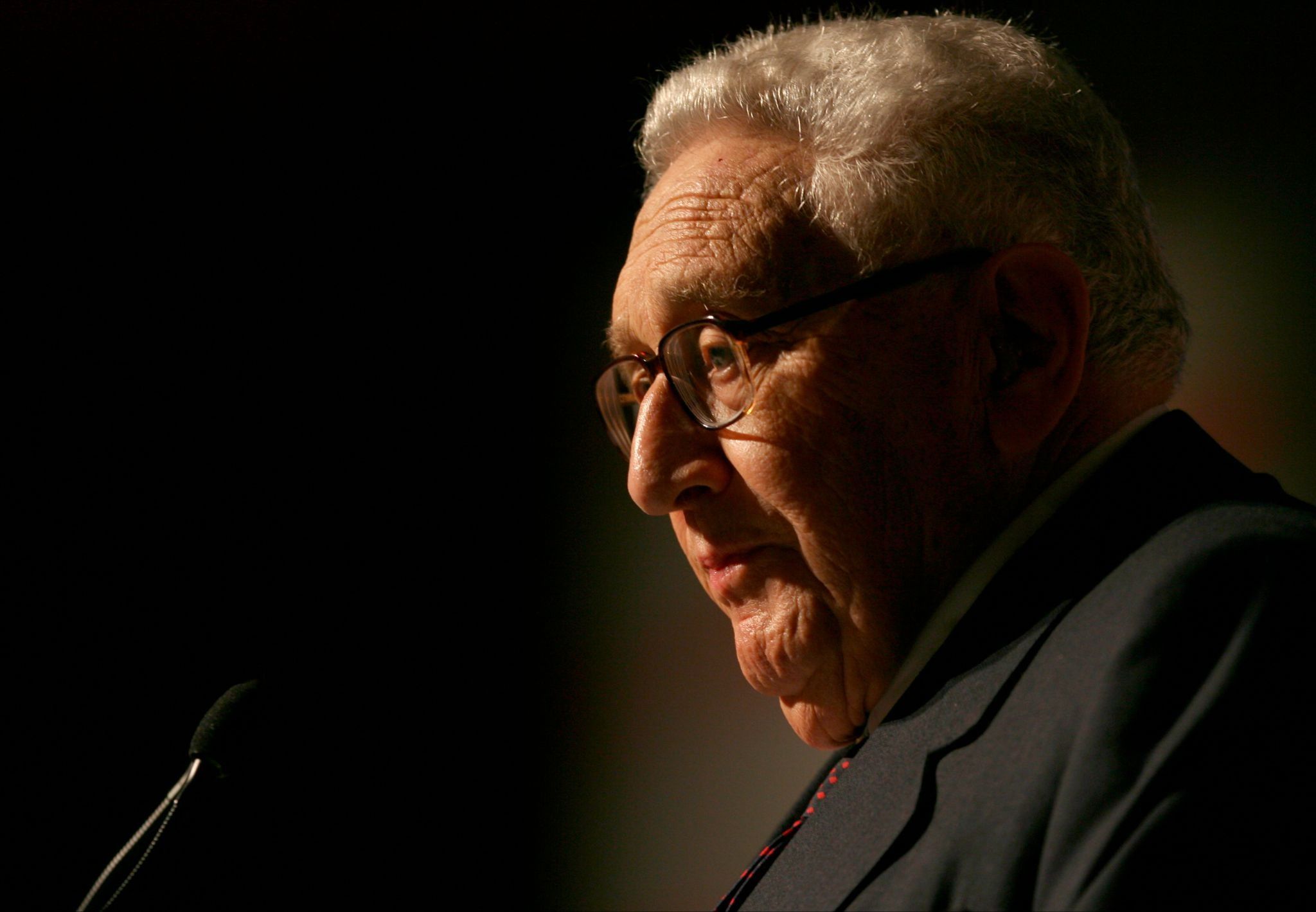
The United States and China find themselves on a precipice, hurtling towards a dystopian future as envisioned by former US National Security Advisor Henry Kissinger. In his final years, the world-renowned diplomat became increasingly alarmed by the potential dangers posed by self-learning machines, dubbing them the most significant threat to global stability.
Kissinger, who had negotiated nuclear arms control agreements with the Soviet Union, urged both nations to collaborate and avert "catastrophic consequences" through open dialogue, much like their previous experiences. However, his prescient warnings might have fallen on deaf ears, as the AI landscape has evolved in ways he could never have anticipated.
As US President Donald Trump prepares to meet with Chinese leader Xi Jinping, historical analogies appear increasingly irrelevant. Beijing has steadfastly refused to entertain the idea of nuclear arms-limitation talks, precisely because it fears being drawn into a similar predicament with the US in the realm of artificial intelligence (AI).
The US enjoys a significant lead in AI models, boasting an estimated six-month advantage in terms of compute power. From China's standpoint, ceding ground in both nuclear and AI development would merely cement America's supremacy, leaving the Chinese open to exploitation and blackmail. Consequently, China persistently rejects any form of restrictions or guidelines in these domains.
The parallels with the Cold War are striking, as Moscow and Washington struggled to establish protocols to prevent inadvertent escalation during that era of geopolitical tension. However, Beijing harbors doubts that such agreements would merely embolden American overreach. Some analysts argue that the Obama administration's encouragement of AI cooperation with China, exemplified by China's participation in the Paris Climate Agreement in 2016, holds some merit.
Nonetheless, this assertion is far from conclusive, as China's motivations for joining the agreement were rooted in domestic concerns, such as addressing air pollution and securing its energy supply. The forthcoming meeting between the two superpowers is poised to be a defining moment, with the US President framing the stakes in an increasingly adversarial light.
Trump has openly expressed his desire to maintain the US's lead in AI, emphasizing that "whoever wins AI, wins." Treasury Secretary Scott Bessent echoed this sentiment, warning that a loss in the AI race could have dire consequences, stating, "There is no day after tomorrow." This paralyzing game theory is reminiscent of the chilling debates over second strikes and counterforce during the 1950s.
Both nations have a vested interest in tempering the development of advanced AI models, as evidenced by the Hugging Face attack, which served as a stark reminder for the US. However, the lack of trust between the two superpowers has stifled their willingness to act. Silicon Valley labs, too, are reluctant to pause their AI advancements, assuming China will continue to surge ahead regardless.
In 2023, just a few months before his 100th birthday, Kissinger warned that the US and China had a narrow window of five to 10 years to avert an AI disaster. As the clock continues to tick, neither nation appears concerned enough to take the necessary precautions.
Written by urgent.news from Semafor's reporting — not their text. Machine-written — may contain errors; check the original before relying on it.