Thailand eyes US$600mil tourism boost with travel subsidies
The measure reflects the growing reliance on domestic travellers as the sector struggles with weak international demand and higher oil costs.
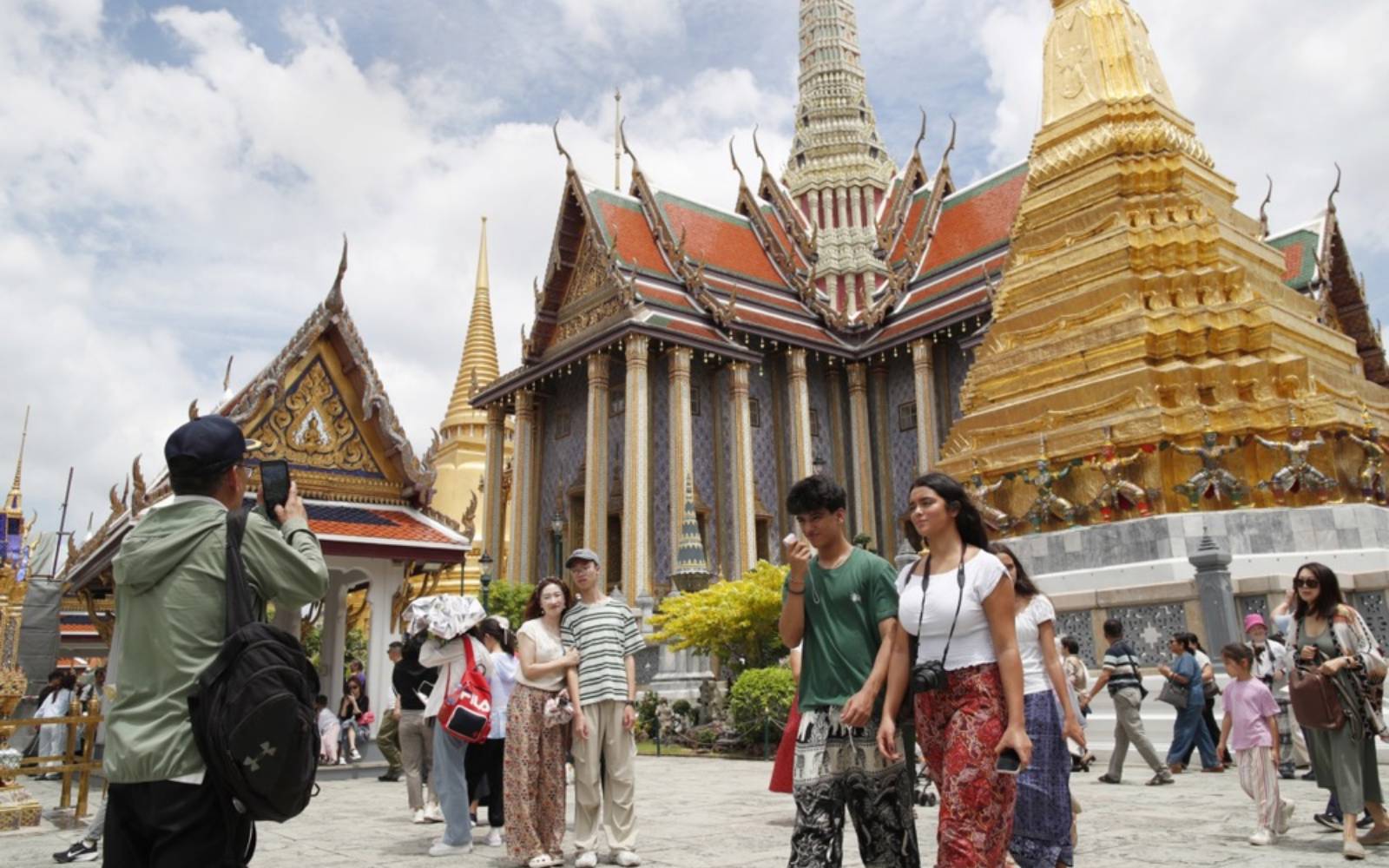
Thailand aims to inject more than 20 billion baht (US$602 million) into the tourism sector through a domestic travel stimulus package designed to bolster the industry as it faces a decline in foreign arrivals and higher energy costs. The government intends to allocate around 4 billion baht for subsidies targeting hotel stays and other tourism expenses, with the plan covering 1 million entitlements and set to be presented to the cabinet on September 22.
Tourism plays a vital role in Thailand's economy, providing jobs and foreign exchange. Despite this, the sector has been impacted by the sluggish return of international visitors and rising costs linked to higher oil prices. Domestic travel, however, has been more resilient, with Thai residents taking 2% more trips, totaling 142 million, and spending rising by 1.9% to 824.6 billion baht.
The subsidy plan includes accommodation assistance of up to 2,000 baht per entitlement, co-payment vouchers worth up to 2,000 baht for restaurants, spas, shops, and tourism activities, with larger benefits in secondary destinations. Each individual can apply up to five entitlements. The subsidies will be in effect from November 1 to December 15, with a pause during the peak New Year period and a resumption from January 16 to the end of February.
Hotel operators appreciate the support but have expressed concerns about the timing, as November marks the beginning of Thailand's peak travel season. Thienprasit Chaiyapatranun, president of the Thai Hotels Association, believes the package should encourage travelers during this period. Nonetheless, some within the industry argue that the timing should be aligned with the lower season in the following year.
The industry anticipates around 30 million to 31 million foreign arrivals in 2026, which is below the expected normal level of approximately 35 million. Excess hotel capacity is another issue, as developers built hotels anticipating stronger post-pandemic recovery. Economists question whether such a large program will substantially boost economic growth, as the financial investment is modest. They believe the program can help improve sentiment rather than significantly impact the gross domestic product.
The government plans to continue its broader 200 billion-baht consumption stimulus program beyond this month to help alleviate living costs for millions of citizens. Prime Minister Anutin Charnvirakul announced this during the weekend. For Pipat Luengnaruemitchai, chief economist at Kiatnakin Phatra Financial Group, the critical question is the extent to which the subsidy will generate new travel and whether the benefits outweigh the costs.
Written by urgent.news from Free Malaysia Today's reporting — not their text. Machine-written — may contain errors; check the original before relying on it.
Also reported by 1 other outlet
- Thailand eyes US$600mil tourism boost with travel subsidies freemalaysiatoday.com