Study on Keralam ELSA-3 shipwreck shows persistent nurdle pollution, evolving ecological impacts
In the aftermath of the May 2025 accident, the Tamil Nadu Pollution Control Board (TNPCB) initiated short term (rapid) and long term (two years) impact assessment studies through Suganthi Devadason Marine Research Institute (SDMRI) in Thoothukudi.
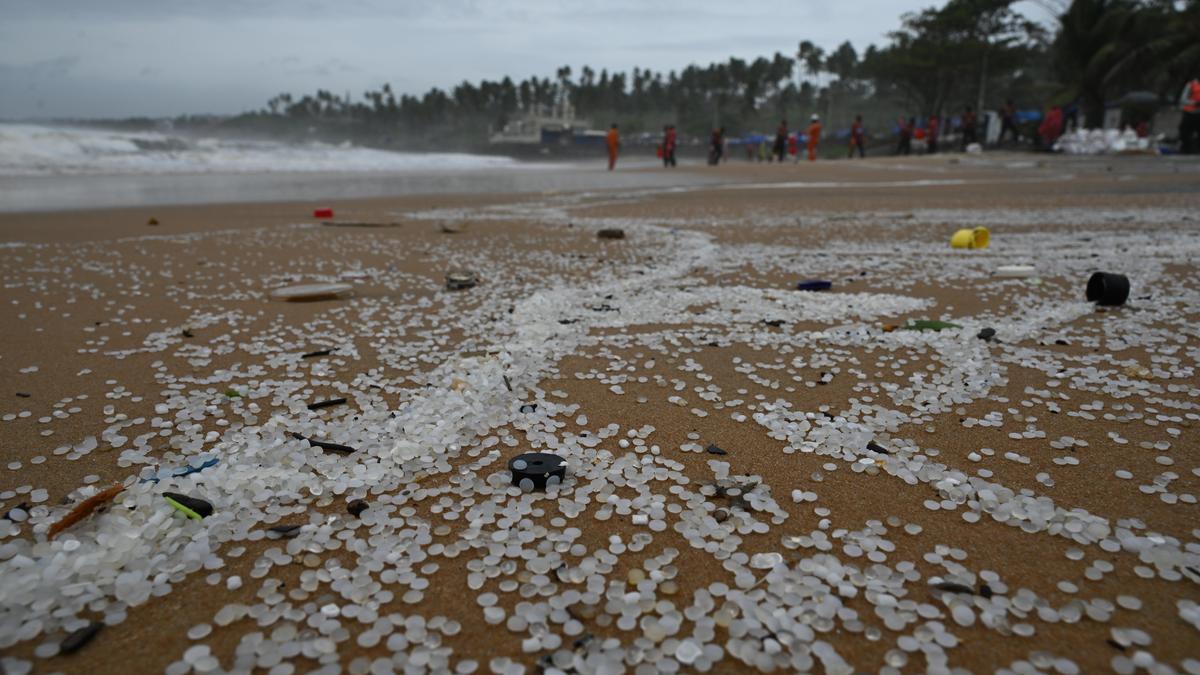
A recent scientific study examining the MSC ELSA-3 shipwreck and resulting nurdle pollution along Kerala and Tamil Nadu coasts in India has revealed persistent environmental impacts. The vessel, carrying plastic resin pellets and hazardous cargo, sank off the Keralam coast in May 2025, marking India's first documented large-scale marine resin pellet spill.
Short-term and long-term impact assessments were conducted by the Suganthi Devadason Marine Research Institute (SDMRI) in Thoothukudi, with the study's findings published in the 'Marine Pollution Bulletin' journal.
The study, led by J.K. Patterson Edward, aimed to characterize the spatial and temporal persistence, environmental weathering, contaminant accumulation, microbial colonisation, and biological interactions of the spill-derived nurdles. Shoreline surveys, sediment coring, polymer and surface characterisation, contaminant analysis, microbial assessment, and fish examination were conducted across 93 coastal sites to monitor the effects of the spill over one year.
Initial shoreline abundance reached 31,230 nurdles per square meter, which declined by 80% within three months at the impact sites. However, new hotspots emerged by October 2025, with nurdle concentrations reaching 10,875 items per square meter on the Gulf of Mannar mainland and 2,960 items per square meter on islands. By May 2026, the pellets persisted, even buried up to 20 cm in beach sediments, potentially to be remobilised by erosion, storms, or sediment reworking.
The weathered nurdles accumulated environmental contaminants, including heavy metals, polycyclic aromatic hydrocarbons (PAHs), petroleum hydrocarbons, and polychlorinated biphenyls (PCBs), posing persistent threats to the environment. Microbial colonisation of the weathered pellets developed a "plastisphere" of bacteria, some of which showed potential pathogenic significance.
Although freshly stranded pellets exhibited low levels of microbial colonisation, those exposed to the environment for several months demonstrated a significant increase in bacterial abundance, particularly during the monsoon and post-monsoon periods.
Fish were found to ingest both pristine and weathered nurdles, with weathered contaminant-enriched pellets associated with elevated oxidative stress and histopathological alterations. The study's findings underscore the environmental transformation and ecological relevance of spill-derived nurdles, emphasizing the need for ongoing long-term monitoring and effective spill management in the region.
Written by urgent.news from The Hindu - Sci-Tech's reporting — not their text. Machine-written — may contain errors; check the original before relying on it.
This story
This is one outlet's version. Read the fullest account.